Wines & grapes of Argentina
A clear, slow-read guide to what Argentina grows and what those wines actually taste like — written for the curious, not the credentialed.
Argentina holds the seventh-largest area of vineyard in the world, and the highest. The vines lean against the eastern wall of the Andes, between 600 and 3,000 metres above the sea, in valleys that almost never see rain. The climate is unkind to most things and ideal for grapes.
Wine has been made here for over four centuries — first by Jesuit missionaries, then by waves of Italian and Spanish farmers, then by French oenologists who arrived in the 1990s with new ideas about altitude and patience. What they all built, together, is a wine country with one foot in Europe and the other firmly in the Cuyo desert.
This guide is a place to begin. Below, the grape varieties worth knowing — what they taste like, where they grow best, and which bottles are a fair introduction.
Start with the icons: the Argentine Malbec guide and Argentine vs French Malbec.
Start here.
A friendly, no-snob roadmap to your first bottle — what to buy, what to skip, and how to spend your way up as you fall in love.
Twelve grapes to know
Argentina grows over a hundred varieties. These are the twelve that tell the country's story most plainly.
Malbec
Dark plum, violet, mountain dust. The grape that made Argentina famous — and reads best from Uco Valley vineyards above 1,000m.
Torrontés
Jasmine, white peach, a dry finish. Argentina's signature white, at its most articulate in the Calchaquí Valley around Cafayate.
Bonarda
The country's second-most planted red. Softer than Malbec, with red cherry and a quiet warmth. Often the better house wine.
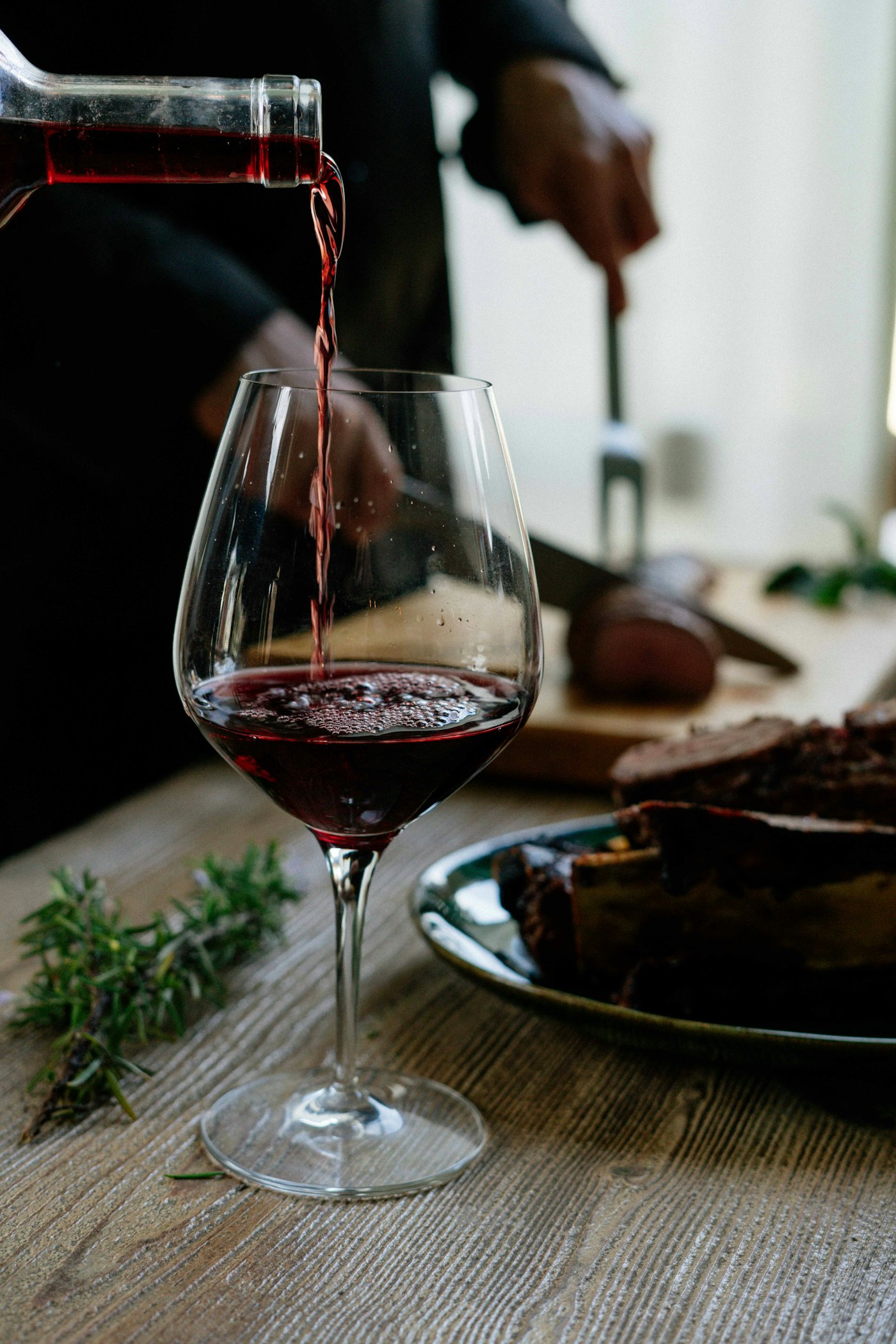
Cabernet Franc
Black cherry, graphite, fresh herbs. Argentina's quietly serious red — the variety winemakers themselves drink at home.
Cabernet Sauvignon
Blackcurrant, cedar, structure for the long haul. Often blended with Malbec to make the country's most ambitious reds.
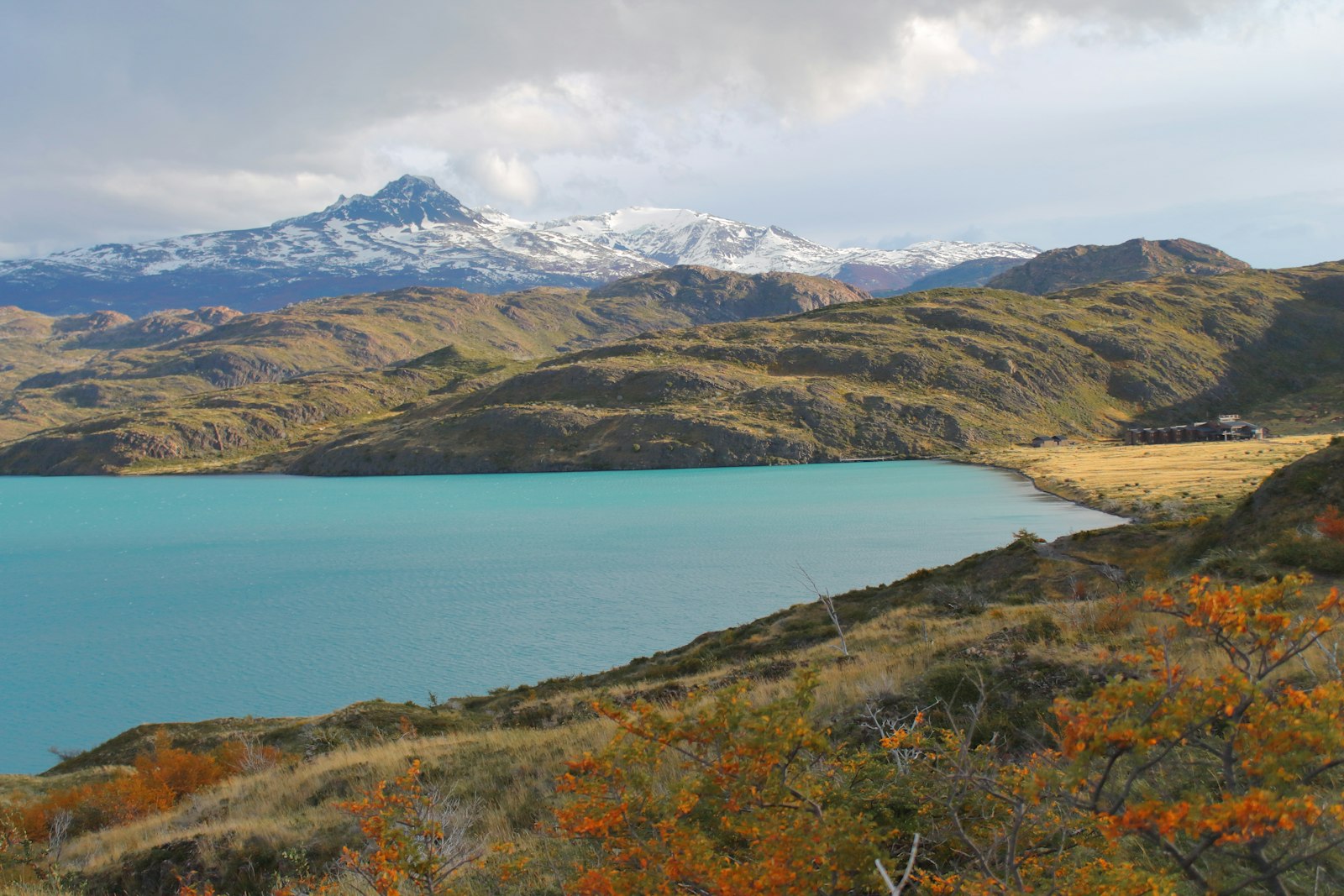
Pinot Noir
Patagonia and the higher reaches of Uco. Red fruit, fine tannin, a wind-and-stone finish that only cold mornings can give.

Chardonnay
From cool, high sites in Tupungato. Lean, citrus-driven, often with the chalk-and-almond minerality you'd want in a good Burgundian wine.
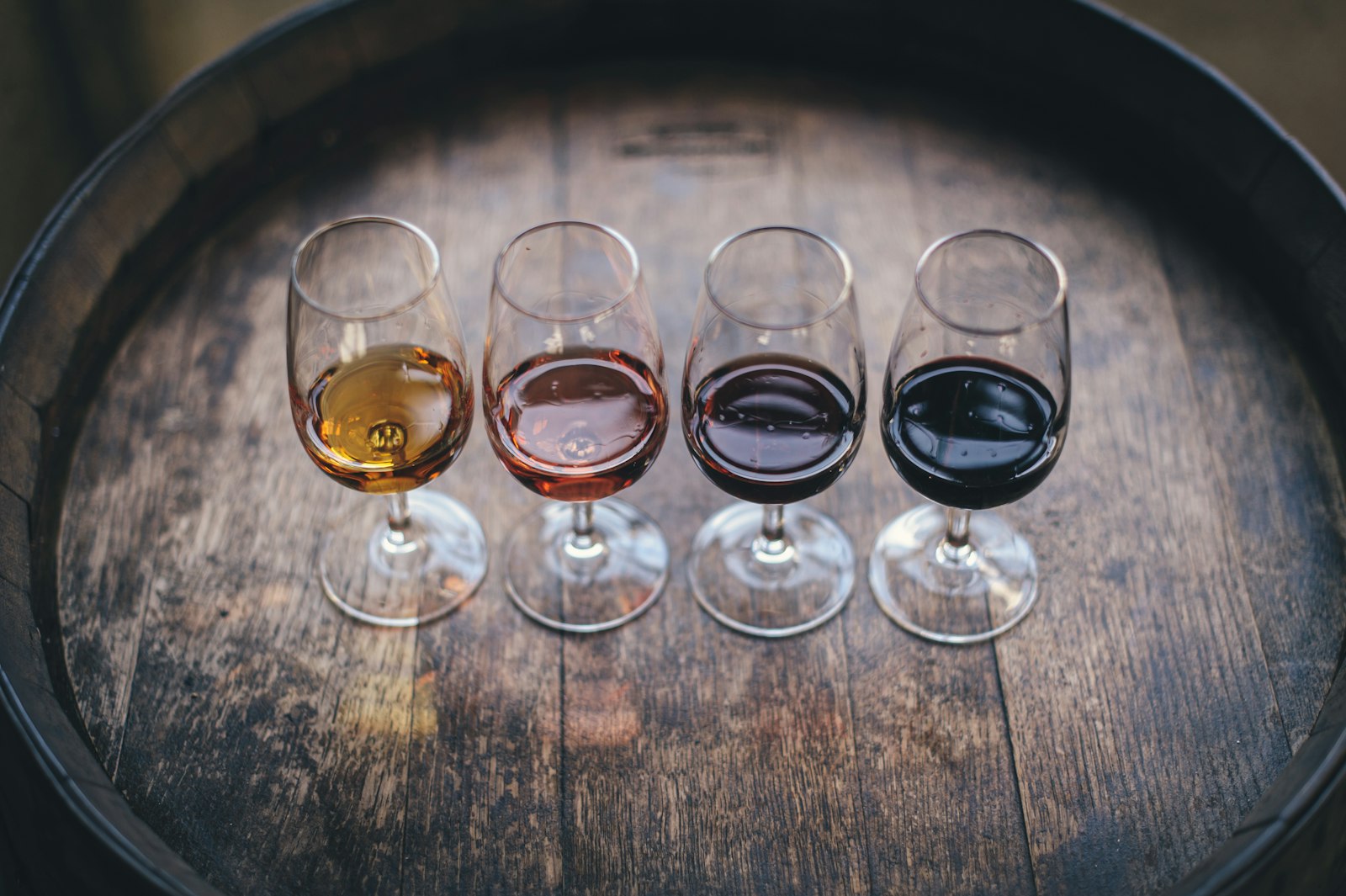
Criolla & País
The oldest grapes in the country, brought by missionaries in the 1500s. Light, pale, savoury — a small revival is bringing them back to good tables.
Syrah
Jammy and bold down in the lowlands, taut and peppery up high. San Juan's signature, and a grape on the way up.
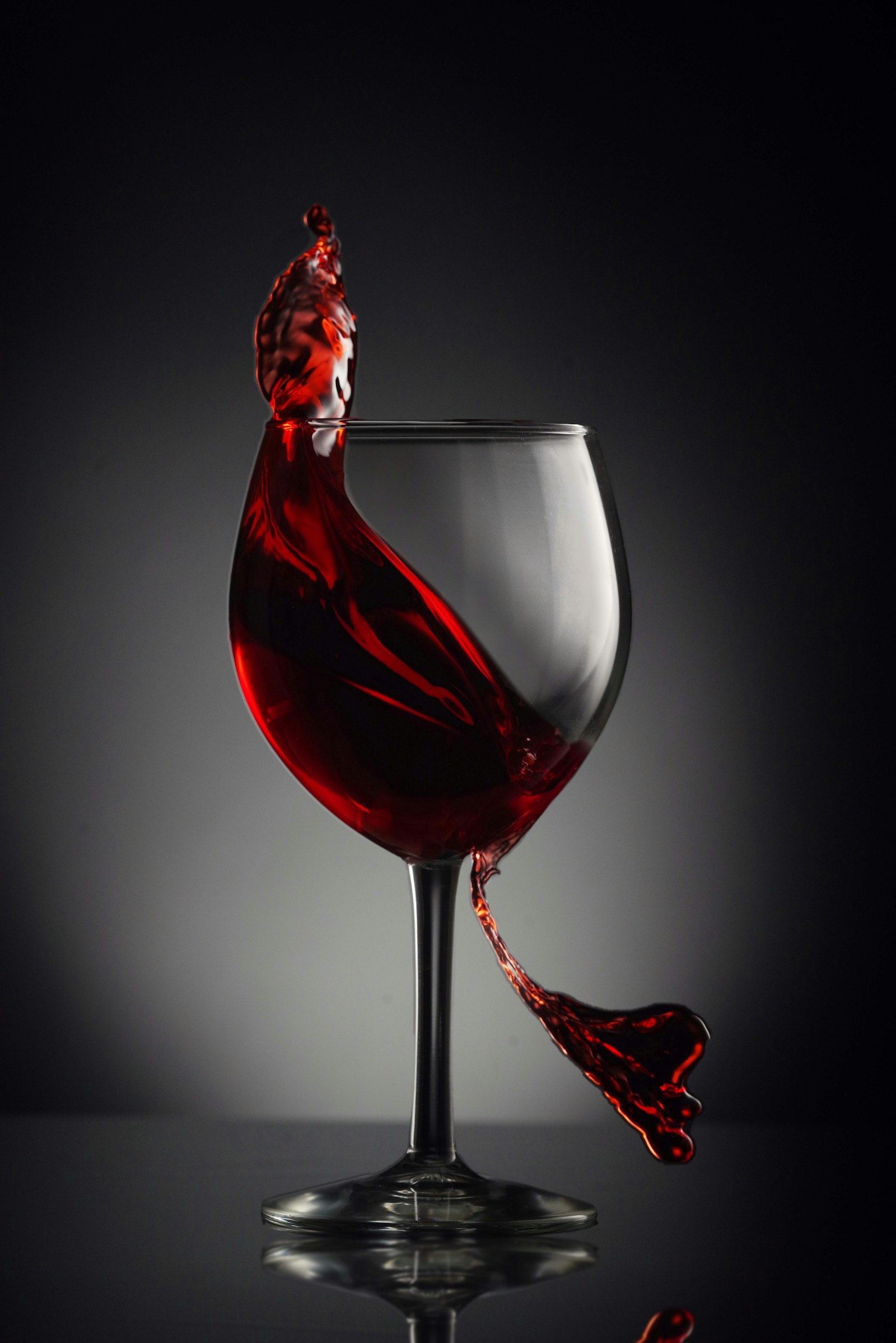
Tannat
One of the world's most tannic grapes — tamed by the high-desert sun of Salta into something rich and velvety.
Petit Verdot
The Bordeaux outcast that ripened too late at home — and finally found its sun in Mendoza.
Sauvignon Blanc
Argentina's most thirst-quenching white — zesty, herbal and mineral, grown in the cold heights of the Uco Valley.
Go deeper
Taste them on their own land.
A guide reads better when you have already tasted the place. Argentina is generous to visitors — the wineries open their doors, the lunches are long, the cellars are cool.
🎓 Проверьте свои знания аргентинских вин и получите именной Диплом в Wine Academy →
Put your grape variety and terroir expertise to the test with our 5-question sommelier challenge. From high-altitude Malbec terroirs to Calchaquí Torrontés, demonstrate your palate and generate your official personalized Diploma of Argentine Wine Mastery.
Quick answers
What is Argentina's most famous wine?
Malbec. It is a French-born red grape that found its true home in the high desert of Mendoza, and it accounts for the majority of Argentina's premium red exports. Outside the country, Malbec and Argentine wine are almost interchangeable terms.
What is Argentina's signature white wine?
Torrontés. It is floral and aromatic on the nose, but dry and lightly bitter on the finish — a useful surprise after the first sniff. It grows best in the very high-altitude vineyards of Salta, particularly around the town of Cafayate.
Are Argentine wines good quality?
Yes — widely respected, and with a long tradition shaped by Italian, Spanish and French immigrants. The combination of high-altitude vineyards, intense sun, cool nights and very dry air produces wines with concentration and clarity that are hard to find elsewhere at the same price.
Why does Argentine Malbec taste different from French Malbec?
In its native Cahors, in southwest France, Malbec makes darker, more tannic, often rustic wines. In Argentina's high vineyards the same grape ripens under stronger sun and colder nights, which softens the tannins and deepens the fruit. The result is the velvety, plummy Malbec the world has come to recognise.
Where should I start if I am new to Argentine wine?
Begin with a mid-priced Malbec from the Uco Valley — somewhere between USD 18 and 30 retail. It will show you the texture and altitude that define the style. From there, try a Torrontés from Salta, and a Cabernet Franc from Luján de Cuyo. Those three glasses cover most of what makes Argentine wine itself.