Vinos y uvas de Argentina
Una guía clara y de lectura pausada sobre lo que cultiva Argentina y a qué saben de verdad esos vinos — escrita para los curiosos, no para los expertos con título.
Argentina tiene la séptima mayor superficie de viñedo del mundo, y la más alta. Las viñas se recuestan contra la pared oriental de los Andes, entre los 600 y los 3.000 metros sobre el nivel del mar, en valles donde casi nunca llueve. El clima es duro para casi todo e ideal para la uva.
Aquí se hace vino desde hace más de cuatro siglos — primero los misioneros jesuitas, luego oleadas de agricultores italianos y españoles, y más tarde los enólogos franceses que llegaron en los años 90 con nuevas ideas sobre la altitud y la paciencia. Entre todos construyeron un país del vino con un pie en Europa y el otro firmemente plantado en el desierto de Cuyo.
Esta guía es un punto de partida. Abajo, las variedades de uva que vale la pena conocer — a qué saben, dónde crecen mejor y qué botellas son una introducción justa.

Empieza aquí.
A friendly, no-snob roadmap to your first bottle — what to buy, what to skip, and how to spend your way up as you fall in love.
Doce uvas para conocer
Argentina grows over a hundred varieties. These are the twelve that tell the country's story most plainly.
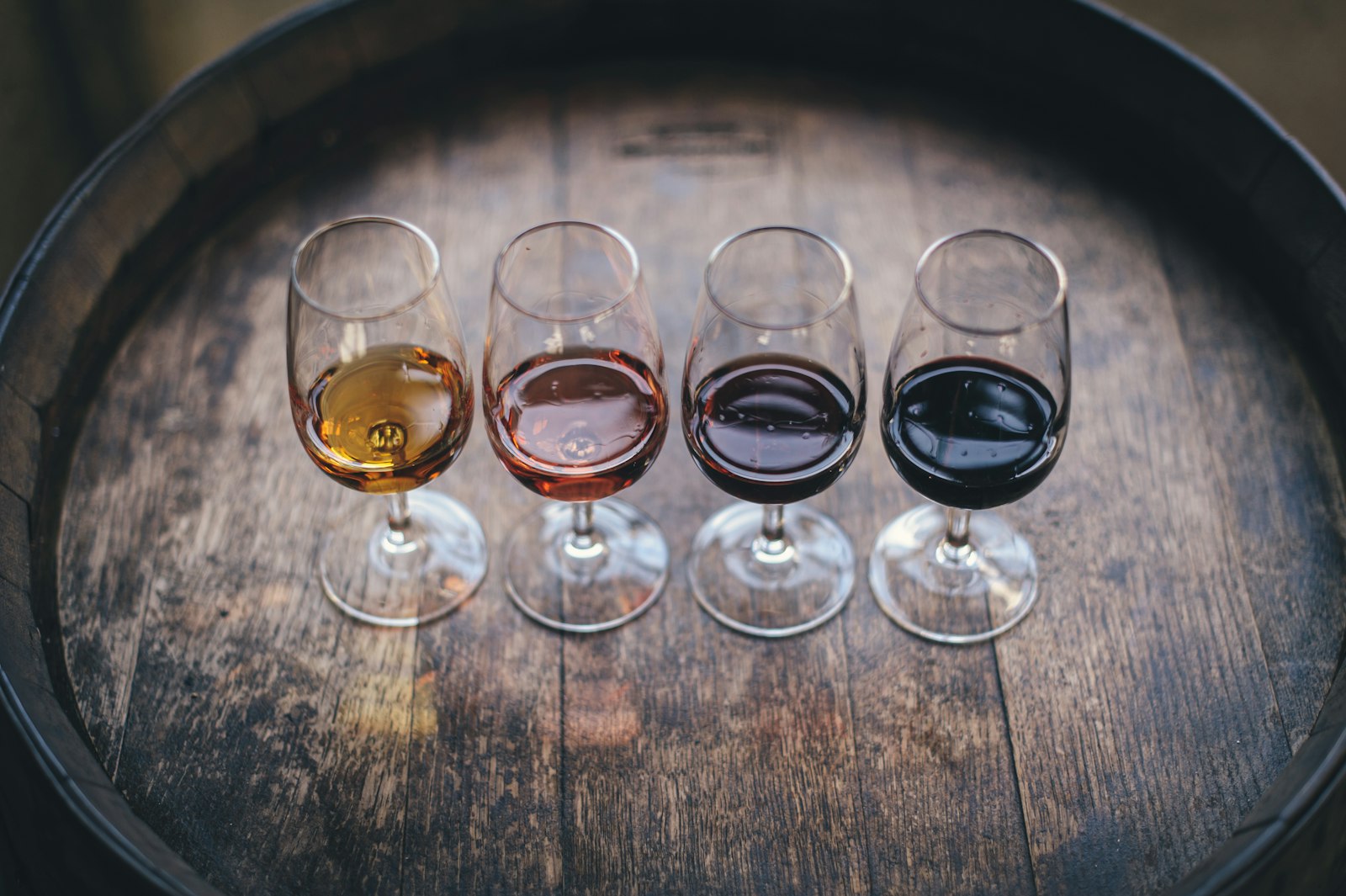
Malbec
Ciruela oscura, violeta, polvo de montaña. La uva que hizo famosa a Argentina — y que se lee mejor en los viñedos del Valle de Uco por encima de los 1.000 m.
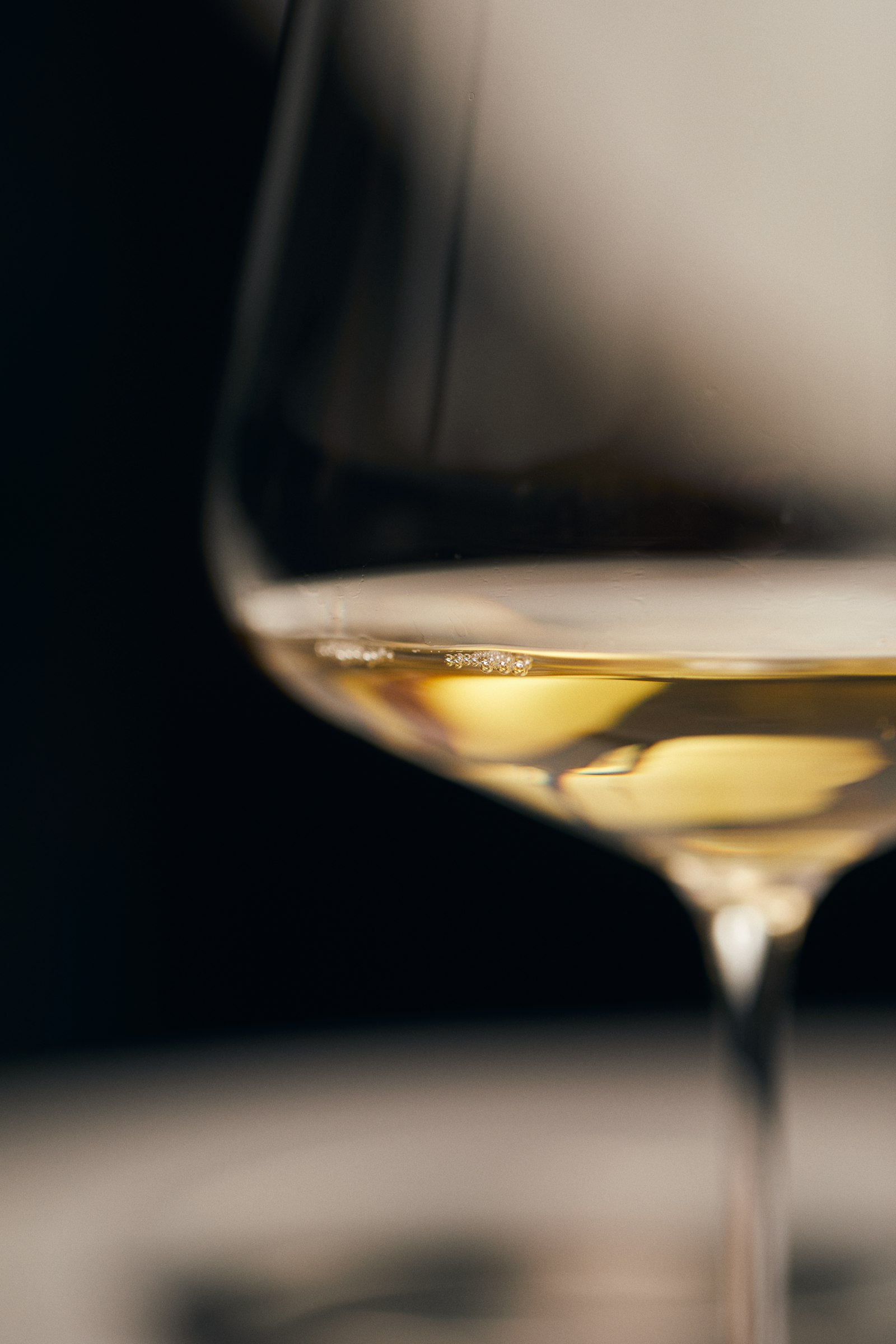
Torrontés
Jazmín, durazno blanco, un final seco. El blanco insignia de Argentina, en su versión más expresiva en el Valle Calchaquí, cerca de Cafayate.
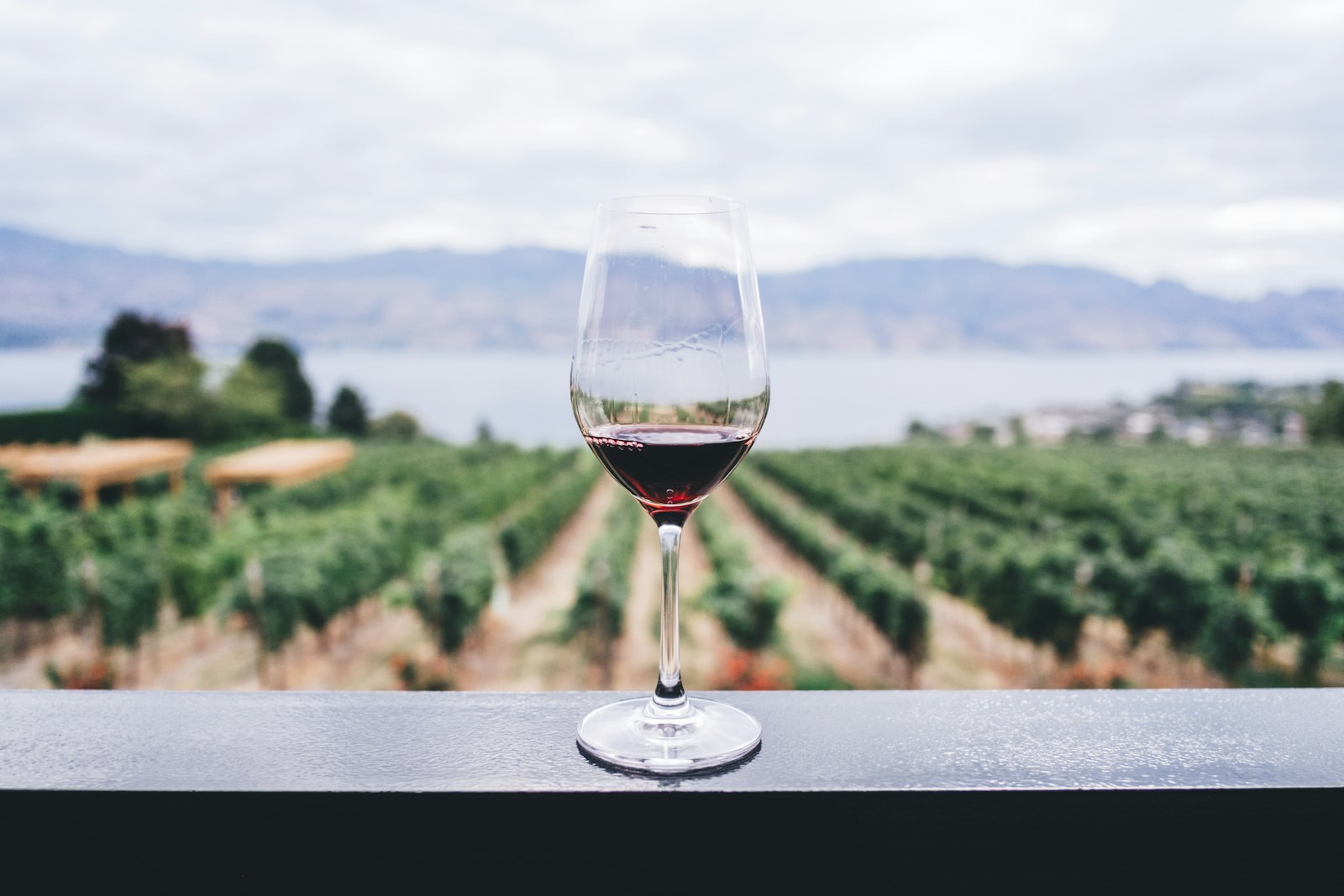
Bonarda
El segundo tinto más plantado del país. Más suave que el Malbec, con cereza roja y una calidez tranquila. A menudo, el mejor vino de la casa.
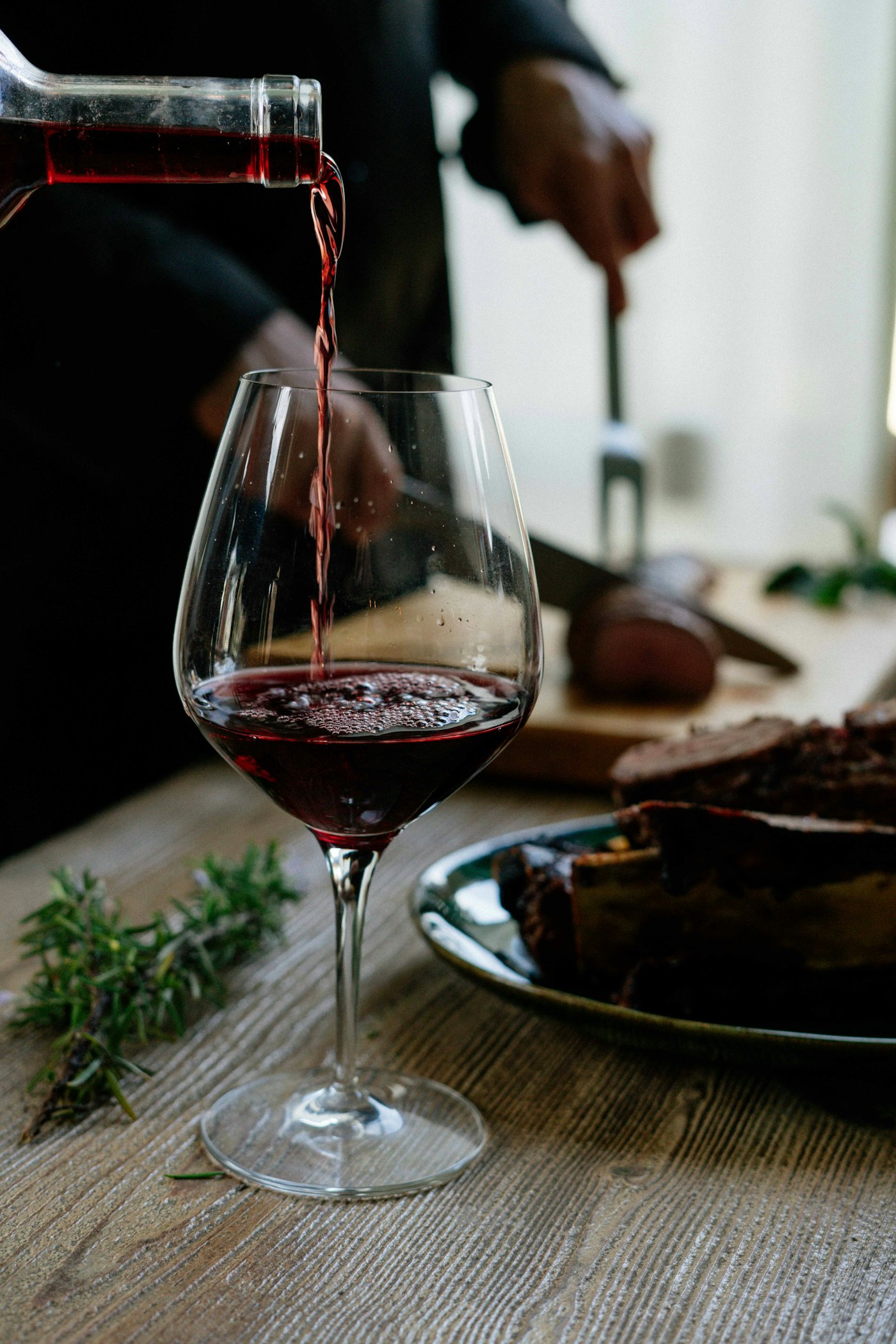
Cabernet Franc
Cereza negra, grafito, hierbas frescas. El tinto serio y discreto de Argentina — la variedad que beben en casa los propios bodegueros.
Cabernet Sauvignon
Grosella negra, cedro y estructura para guardar. A menudo se mezcla con Malbec para hacer los tintos más ambiciosos del país.
Pinot Noir
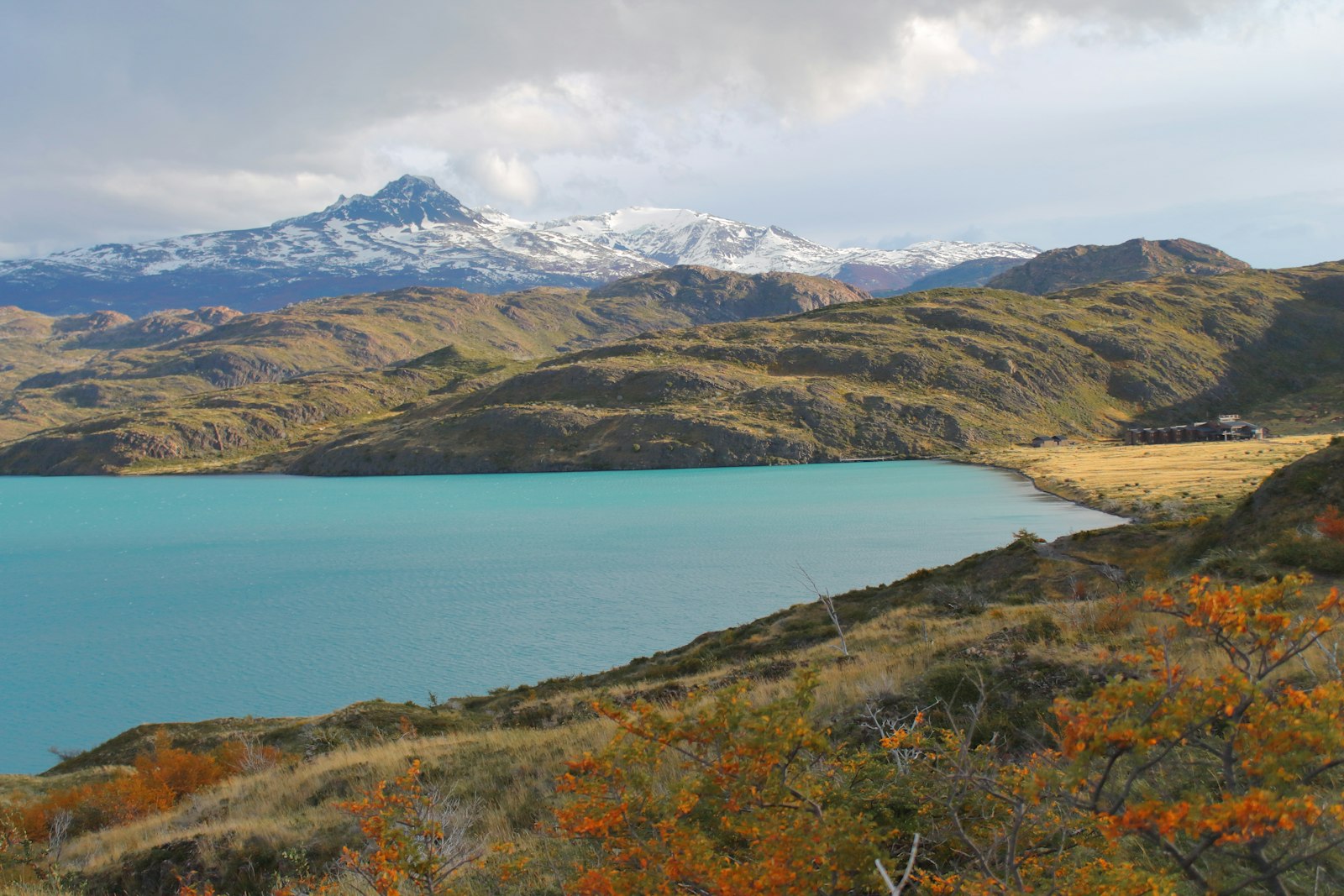
La Patagonia y las zonas más altas de Uco. Fruta roja, taninos finos y un final de viento y piedra que solo las mañanas frías pueden dar.

Chardonnay
De sitios frescos y altos en Tupungato. Magro, cítrico, a menudo con esa mineralidad de tiza y almendra que buscarías en un buen vino de Borgoña.
Criolla & País
Las uvas más antiguas del país, traídas por los misioneros en el siglo XVI. Claras, pálidas, sabrosas — un pequeño renacimiento las está devolviendo a las buenas mesas.
Syrah
Mermelada y potencia en las zonas bajas, tenso y especiado en las alturas. La insignia de San Juan, y una uva en ascenso.
Tannat
Una de las uvas más tánicas del mundo — domada por el sol del alto desierto de Salta hasta volverse algo rico y aterciopelado.
Petit Verdot
El marginado de Burdeos que maduraba demasiado tarde en casa — y por fin encontró su sol en Mendoza.
Sauvignon Blanc
El blanco más refrescante de Argentina — vivaz, herbal y mineral, cultivado en las frías alturas del Valle de Uco.
Go deeper
Pruébalos en su propia tierra.
A guide reads better when you have already tasted the place. Argentina is generous to visitors — the wineries open their doors, the lunches are long, the cellars are cool.
Respuestas rápidas
¿Cuál es el vino más famoso de Argentina?
El Malbec. Es una uva tinta de origen francés que encontró su verdadero hogar en el alto desierto de Mendoza, y representa la mayor parte de las exportaciones de tinto premium de Argentina. Fuera del país, Malbec y vino argentino son casi sinónimos.
¿Cuál es el vino blanco insignia de Argentina?
El Torrontés. Es floral y aromático en nariz, pero seco y levemente amargo en el final — una sorpresa útil después del primer olfato. Crece mejor en los viñedos de gran altitud de Salta, sobre todo en torno al pueblo de Cafayate.
Are Argentine wines good quality?
Sí — muy respetado, y con una larga tradición moldeada por inmigrantes italianos, españoles y franceses. La combinación de viñedos de altura, sol intenso, noches frescas y aire muy seco da vinos con una concentración y una nitidez difíciles de encontrar a ese precio en otros lugares.
¿Por qué el Malbec argentino sabe distinto del Malbec francés?
En su Cahors natal, en el suroeste de Francia, el Malbec da vinos más oscuros, más tánicos y a menudo rústicos. En los viñedos de altura de Argentina la misma uva madura bajo un sol más fuerte y noches más frías, lo que suaviza los taninos y profundiza la fruta. El resultado es ese Malbec aterciopelado y a ciruela que el mundo aprendió a reconocer.
¿Por dónde empiezo si soy nuevo en el vino argentino?
Empieza con un Malbec de precio medio del Valle de Uco — entre 18 y 30 USD en tienda. Te mostrará la textura y la altitud que definen el estilo. Desde ahí, prueba un Torrontés de Salta y un Cabernet Franc de Luján de Cuyo. Esas tres copas resumen casi todo lo que hace que el vino argentino sea lo que es.