Culture & Stories
The long human story behind every Argentine glass — the immigrations, the families, the gaucho, the songs.
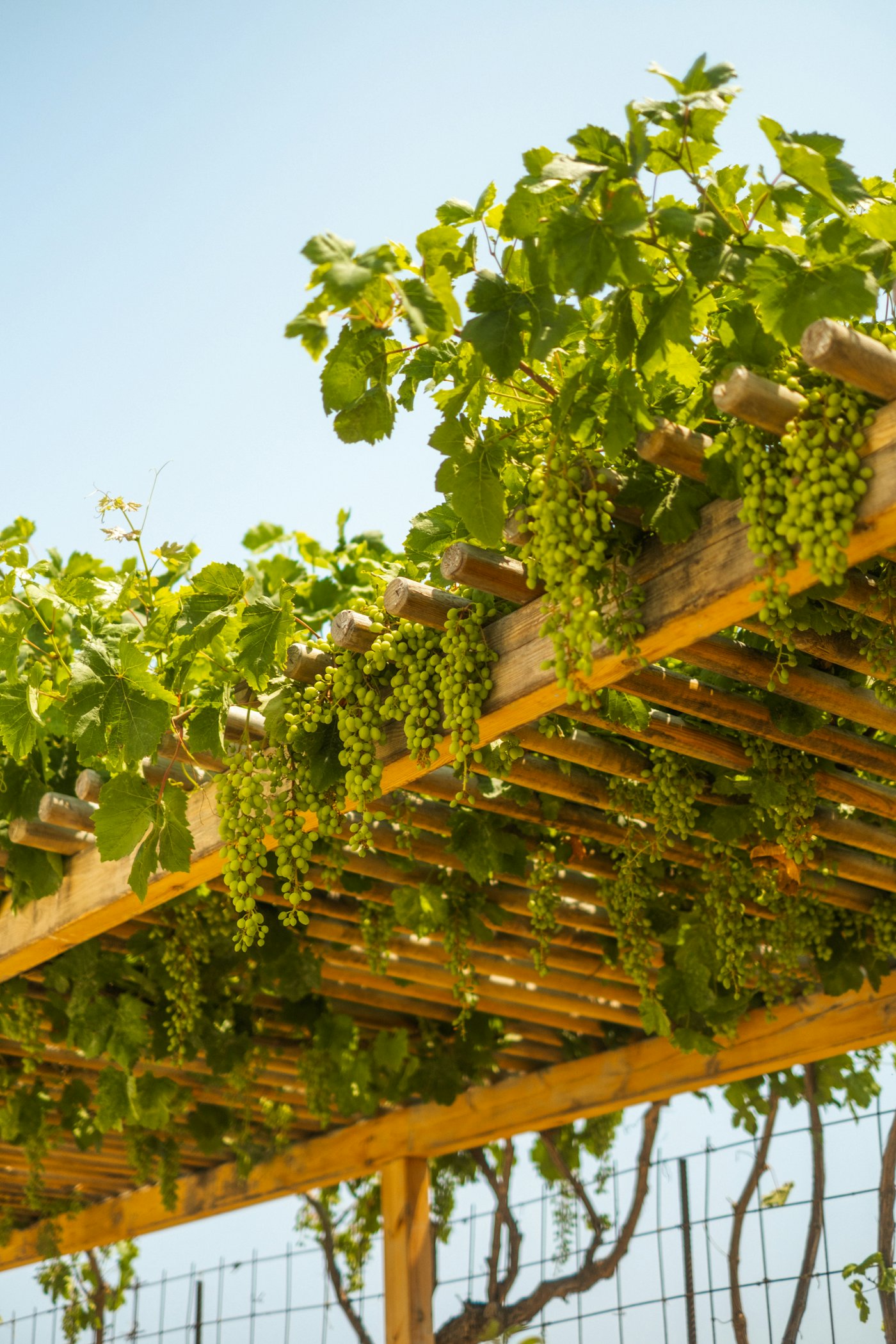
The vineyards came with people. The first cuttings were planted by Jesuit missionaries in the sixteenth century. The grape varieties that shape the country today arrived in waves — with Italian and Spanish families fleeing poverty, with French agronomists answering government invitations, with German engineers who came to build railways and stayed for the bread.
What follows is the human side of Argentine wine — the history, the migrations and the mountains behind the bottle. Start with the story of how a near-lost grape gave a whole country its identity.
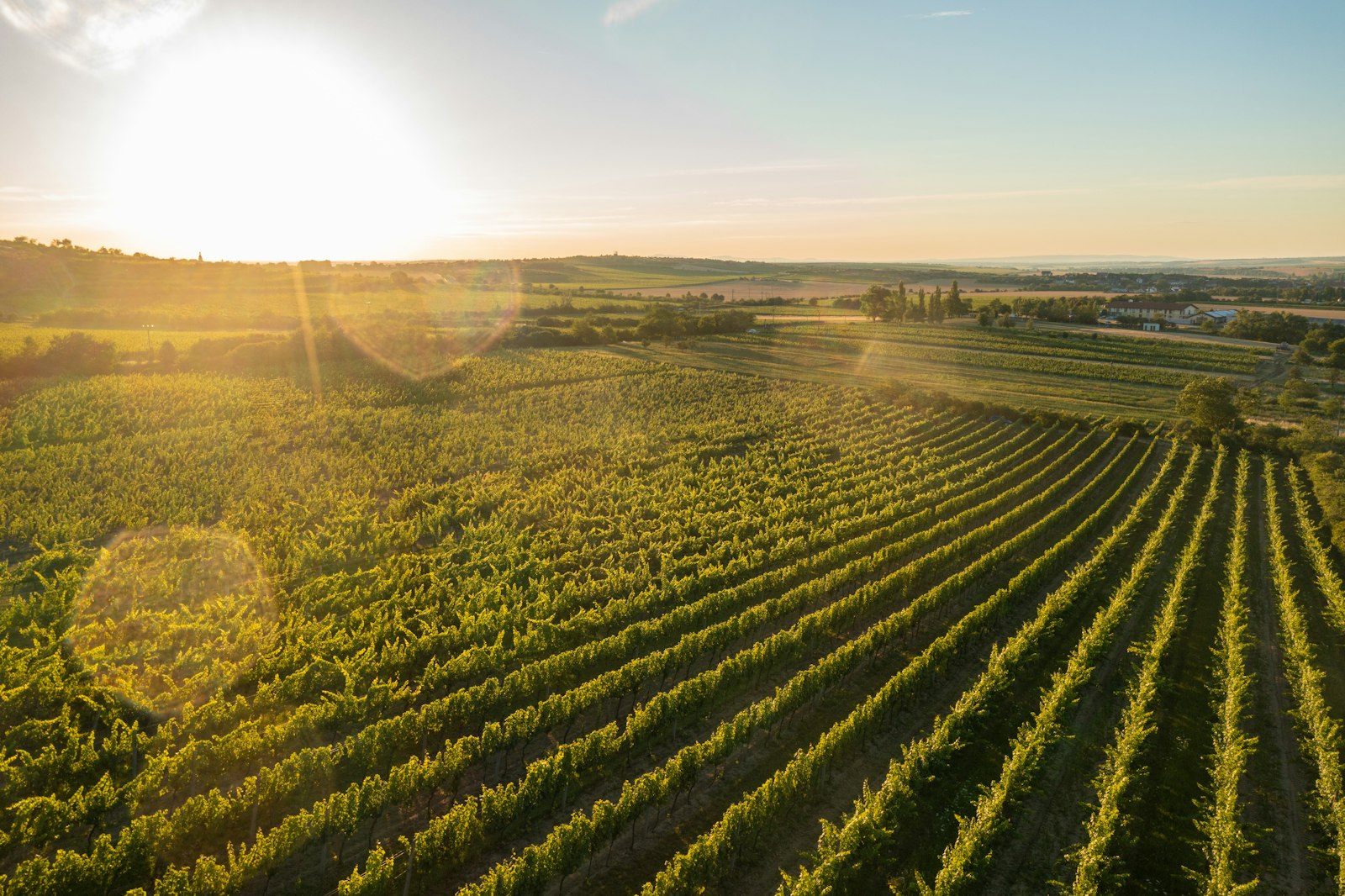
How Malbec saved Argentina
A grape almost lost twice — in its French homeland and again in Mendoza — before one immigrant family pulled it back and gave a country its identity in a glass.
The human side of the wine
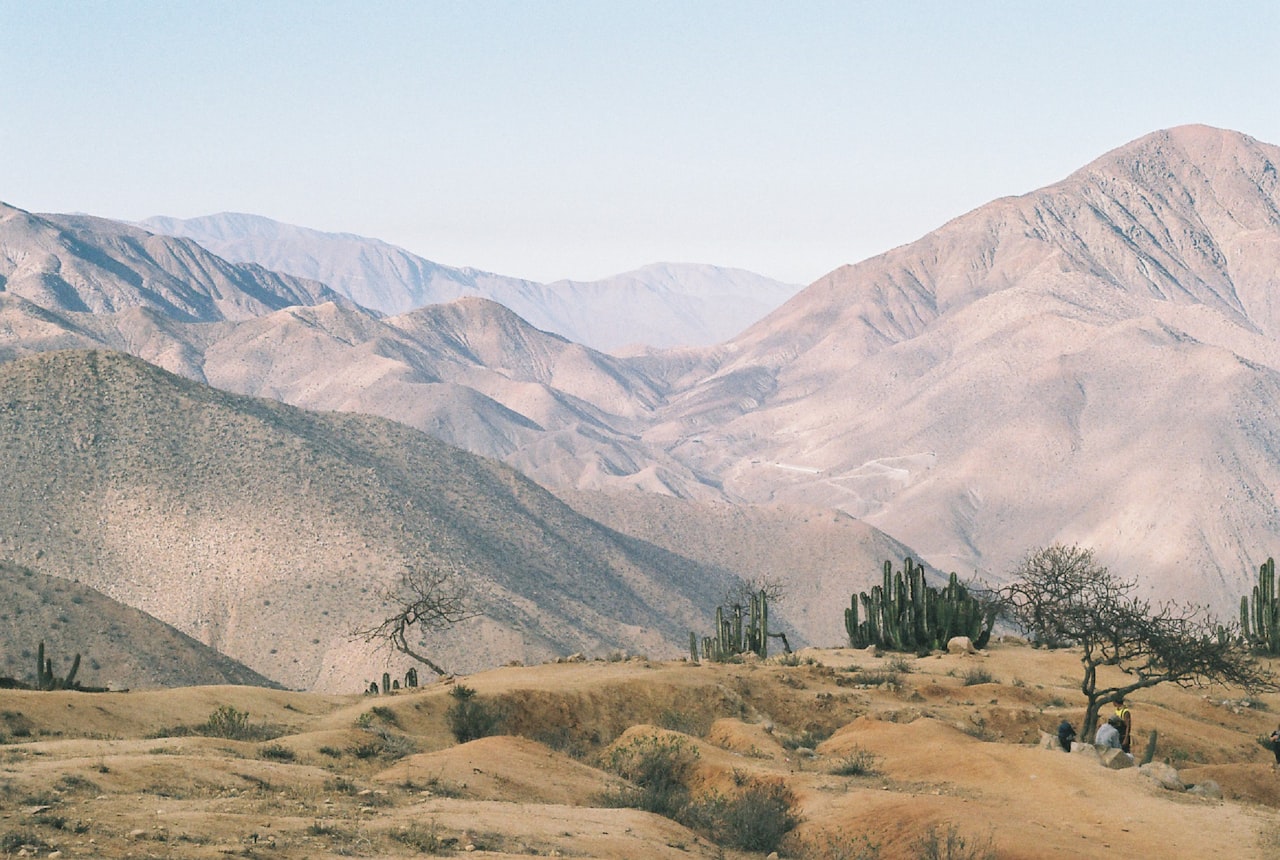
Catena Zapata: The Empire That Redefined Malbec
How three generations pushed viticulture to 5,000 feet in Gualtallary and proved Argentine Malbec belongs among the world's best.
Susana Balbo: First Lady of Argentine Wine
How Argentina's first female winemaker transformed Torrontés, built an empire in Luján de Cuyo, and earned Michelin recognition.
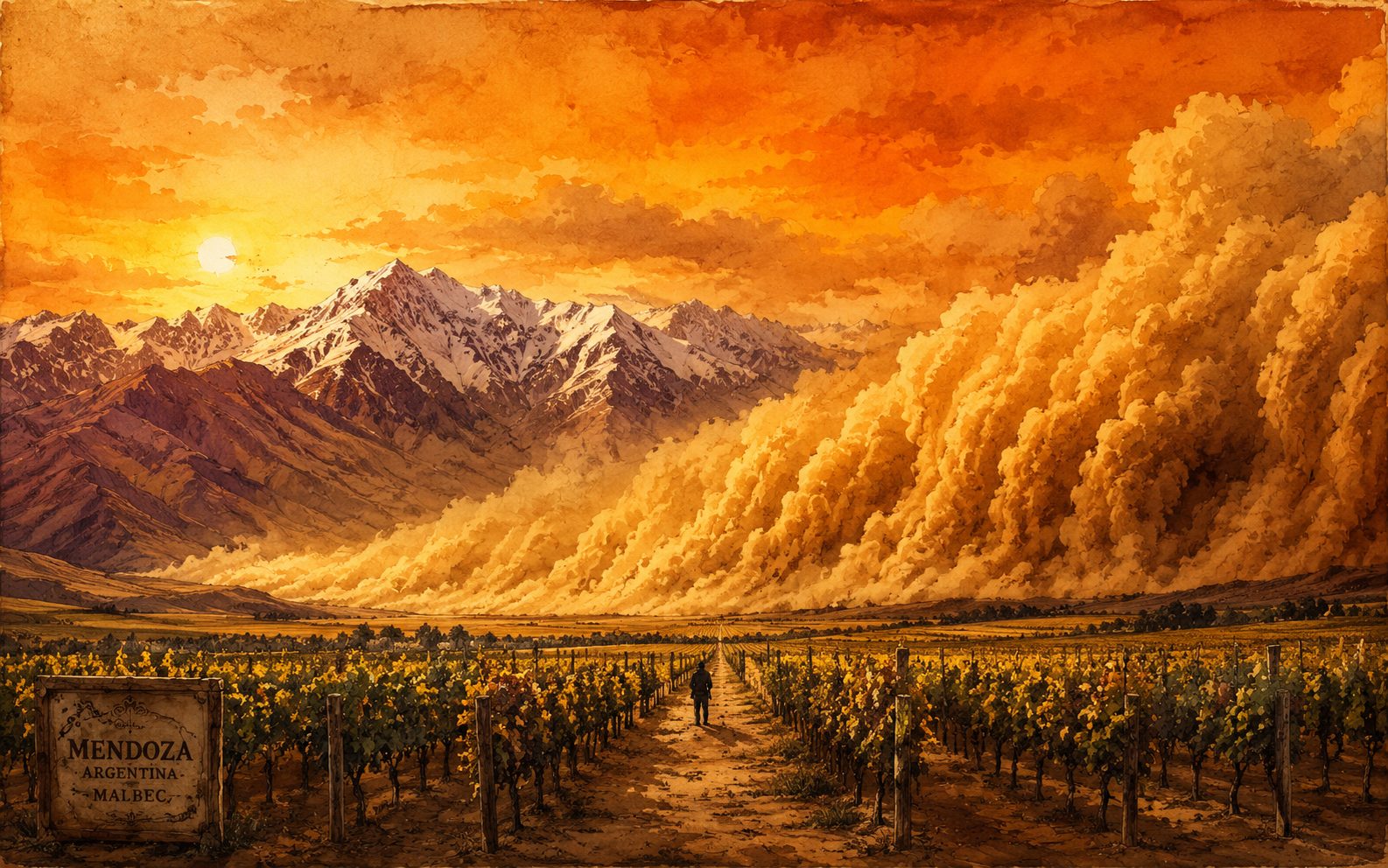
Argentine wine legends
Short, gripping true stories — the wind that drives Mendoza mad, the vines that beat a plague. Two minutes each.
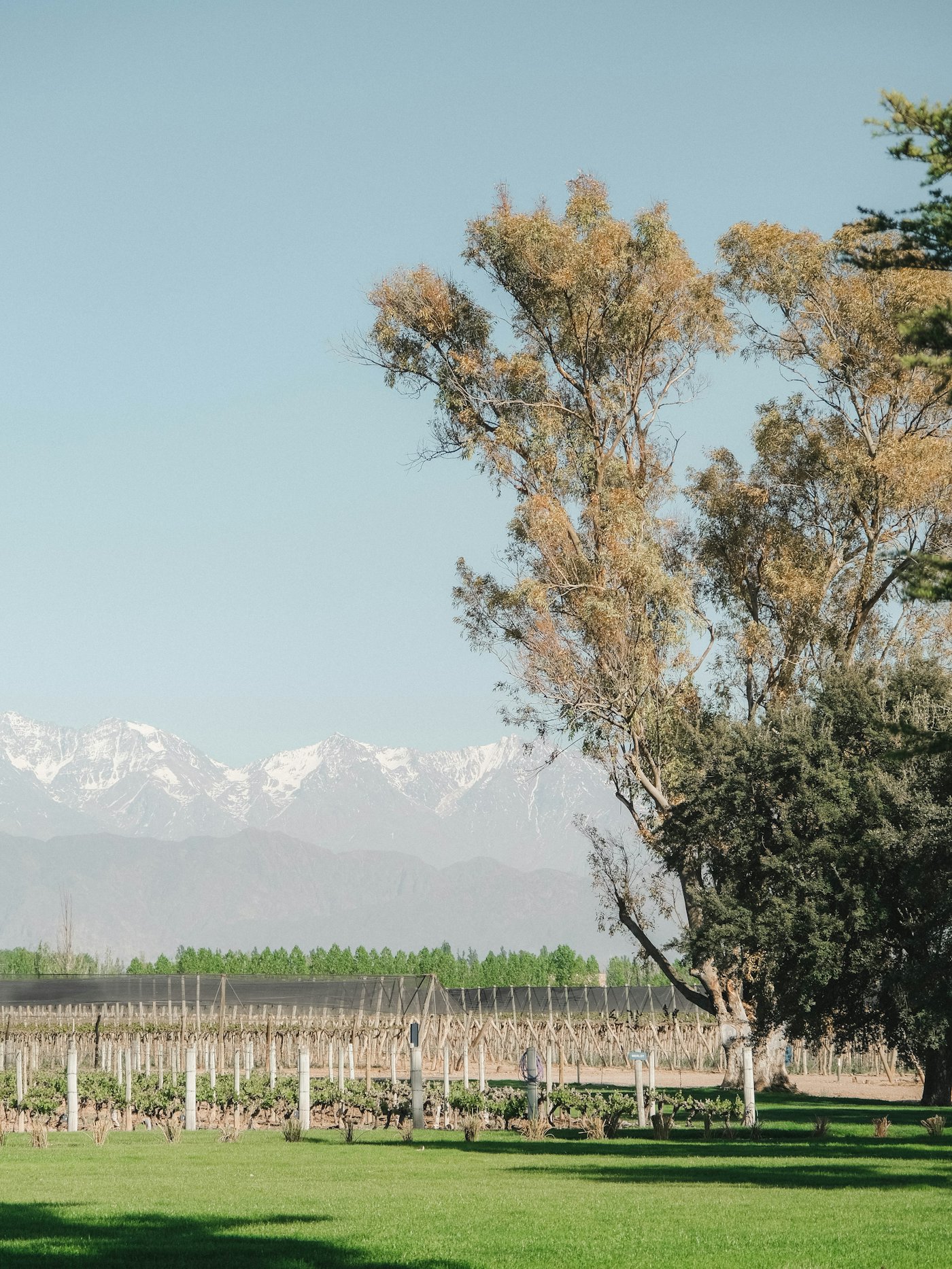
Altitude as a superpower
From 3,111-metre vineyards in Salta to the high Uco Valley — the science and magic of a country that grows its grapes in the sky.
Italy in the glass
From the Piedmont to Mendoza, Italian immigrants shaped Argentina's wine, its food and even the way it eats.

What to drink with asado
The long, smoky Sunday feast — and how a clever host changes wines across it, course by course.