Where to Start with Argentine Wine
A friendly, no-snob roadmap to your first bottle — what to buy, what to skip, and how to spend your way up as you fall in love.
You walked into a wine shop and saw a whole shelf labeled “Argentina.” You'd like to know which bottle to buy. Welcome — you are in a wonderful situation. Argentine wine is generous, dependable and offers some of the best quality-to-price you can find anywhere in the world. Here is a simple, snob-free roadmap to your first bottle, your tenth bottle, and what to graduate to once you've fallen in love.
What's the Best Argentine Wine for Someone New to South American Wines?
If you are completely new to South American wines, the answer is simple: do not overcomplicate your first purchase. You want wines that clearly showcase the pure sunshine, altitude, and fruit richness that made Argentina famous worldwide without overwhelming tannins or excessive oak. Here is our sommelier-approved 3-Bottle Starter Pack:
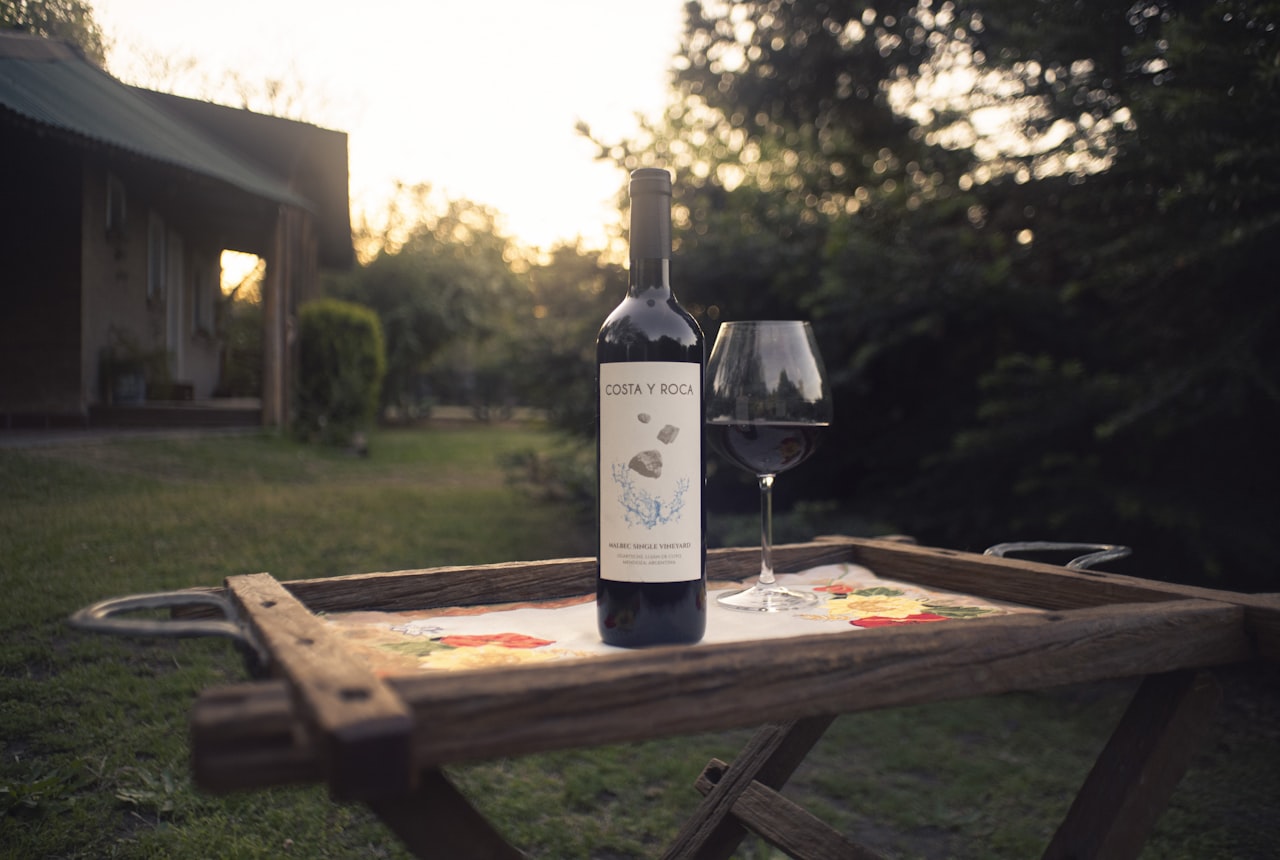
Mendoza Malbec (Luján de Cuyo)
Price: $12 – $18 | Benchmark: Catena Álamos or Norton Reserva.
Plush, round, and deeply forgiving. Explodes with ripe blackberries, sweet plums, and soft velvety tannins. Impossible not to like.
Salta Torrontés (Cafayate)
Price: $14 – $20 | Benchmark: Colomé or Susana Balbo Crios.
Argentina's native white gem grown at 1,700m+ altitude. Smells intensely sweet of white jasmine and fresh peach, but tastes crisp, dry, and mineral.
High-Altitude Uco Valley Red
Price: $22 – $32 | Benchmark: Zuccardi Serie A or Mendel Cabernet Franc.
Shows what happens when grapes touch mountain limestone: vibrant floral violet perfume, electric freshness, and world-class finesse.
What's inside
01Start with Malbec
The one-line answer: buy a mid-priced Mendoza Malbec. It's soft, fruity and forgiving — the friendliest first bottle there is.
Read Step 1 →Five essential wines
Up to ~10 USD/EUR.
Read Step 2 →How to taste
Buy a mid-priced Mendoza Malbec for your first bottle.
Read Step 3 →Food-pairing basics
Argentina's wine fits Argentina's food naturally — start with what you already love, like Malbec with pizza or burgers.
Read Step 4 →Next steps
Don't store reds upright in a warm kitchen.
Read Step 5 →As an Amazon Associate I earn from qualifying purchases.
Quick answers
What's the best Argentine wine for a beginner?
A mid-priced Mendoza Malbec, ideally from Luján de Cuyo or the Uco Valley, in the 12 to 25 USD/EUR range. It is plush, fruit-forward and easy to enjoy — by far the friendliest starting point.
How much should I spend on a first bottle of Argentine wine?
Around 12 to 20 USD/EUR is the sweet spot. Argentina's mid-priced wines genuinely over-deliver compared to other countries, and you don't need to spend a lot to drink very well.
Is Malbec the only Argentine wine worth trying?
No — although Malbec is the most famous, Argentina makes excellent Cabernet Sauvignon, Cabernet Franc, Bonarda, Syrah and Pinot Noir, plus distinctive whites like Torrontés and Chardonnay. Variety is one of the joys of getting into the country's wine.
How do I read an Argentine wine label?
Look for the grape variety, the region (Uco Valley and Luján de Cuyo are top tiers within Mendoza), the vintage (drink most reds within 2 to 6 years), and often the vineyard altitude. Higher-altitude wines tend to be fresher and more elegant.
What food pairs best with my first Argentine wine?
A friendly Mendoza Malbec is brilliant with grilled red meat, burgers, pizza or anything off the grill — Argentina's beloved asado is the perfect partner. A Torrontés shines with fish, ceviche or spiced food; a Bonarda is great with pasta and pizza.
What's the best Argentine wine for someone new to South American wines?
For newcomers, we recommend our 3-Bottle Starter Pack: 1) Start with an entry-level Mendoza Malbec from Luján de Cuyo ($12–$18) for lush, soft blackberry fruit and velvety tannins. 2) Try an aromatic Salta Torrontés ($14–$20) for floral jasmine perfume with crisp, dry freshness. 3) Step up to a high-altitude Uco Valley Cabernet Franc or Malbec ($22–$32) to experience Andean minerality and world-class elegance.