The wine regions of Argentina
From the high desert of Mendoza to the wind-scoured valleys of Patagonia — the geographies that shape every Argentine glass.
Argentina is a long, narrow country, and its wine country traces the eastern foot of the Andes for nearly 2,400 kilometres. The vineyards climb from the cool wind-river valleys of Patagonia in the south to the thin-air vineyards of Salta in the far north, where grapes ripen at altitudes most wine in the world will never see.
This page gathers what we have written about the major regions. Full guides to each region will appear here as the journal grows.
Five distinct geographies
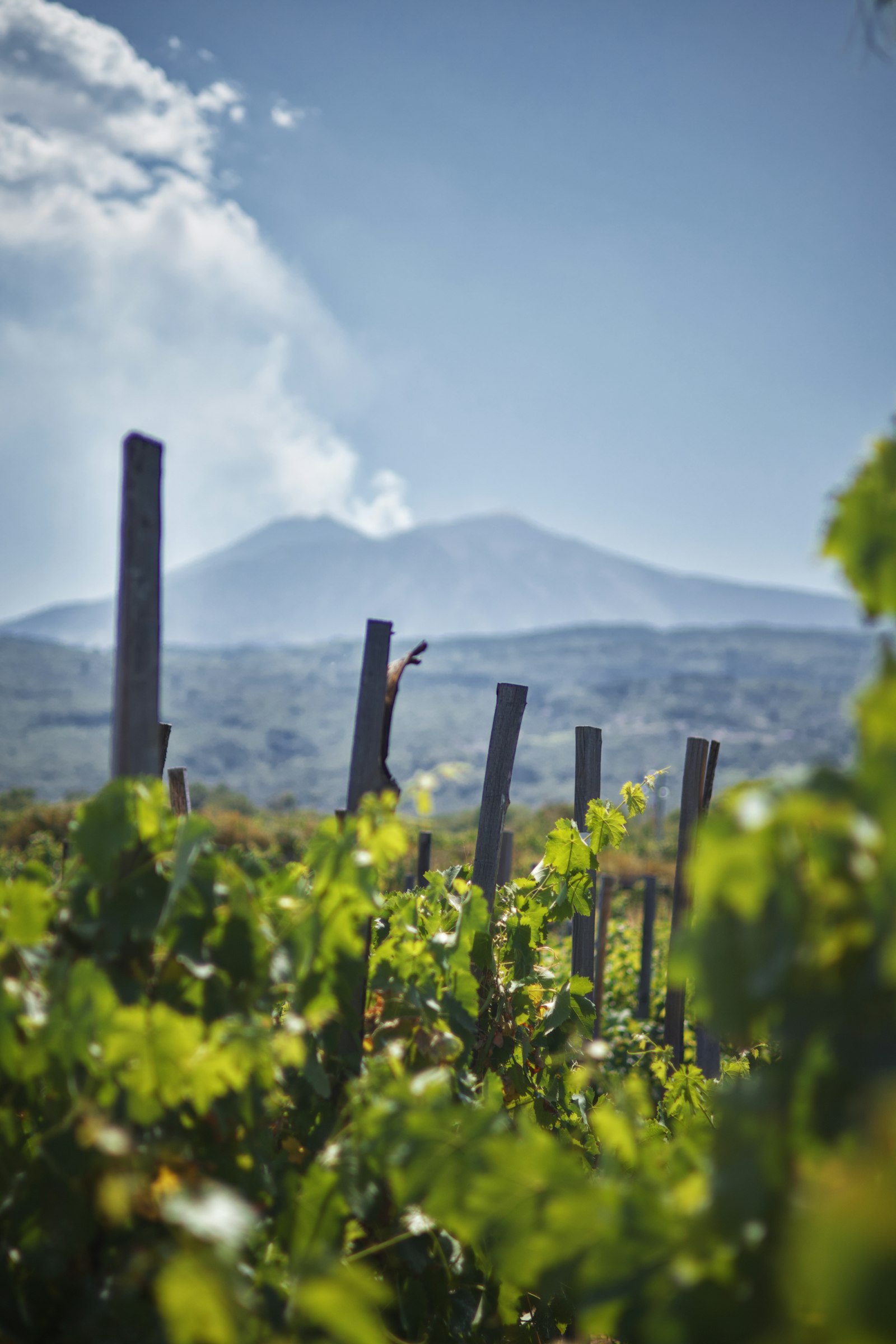
Mendoza & the Uco Valley
The historical and commercial heart of Argentine wine. Malbec country, with sub-regions from Luján de Cuyo to the high reaches of Gualtallary.
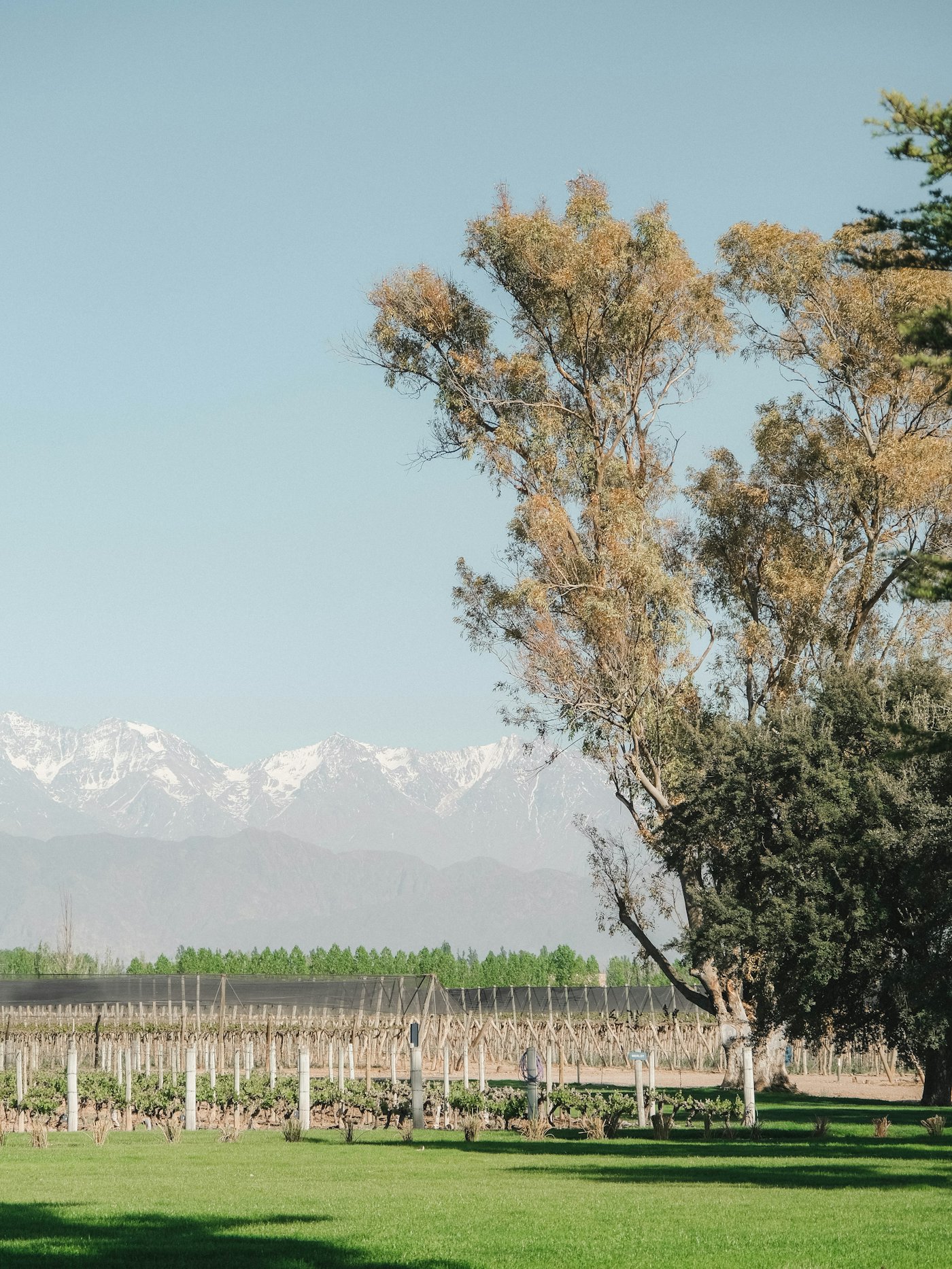
Salta & the Calchaquí Valley
The highest commercial vineyards in the world. Torrontés country, and a Malbec like no other — tighter, spicier, almost herbal.
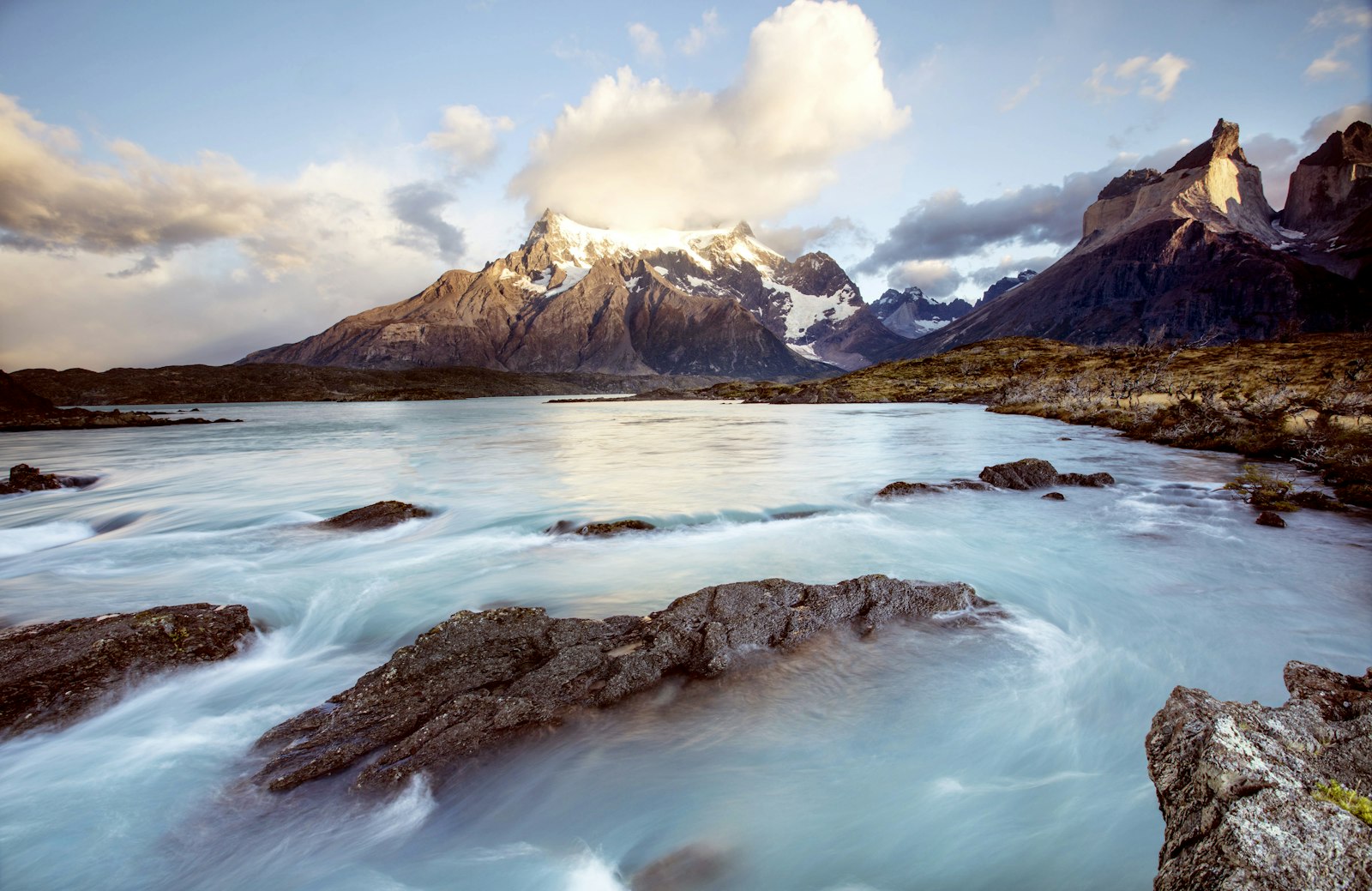
Patagonia — Río Negro & Neuquén
Cool-climate Pinot Noir, Chardonnay and serious Malbec. Wind, glacial water, and long-lived wines from a long, narrow valley.
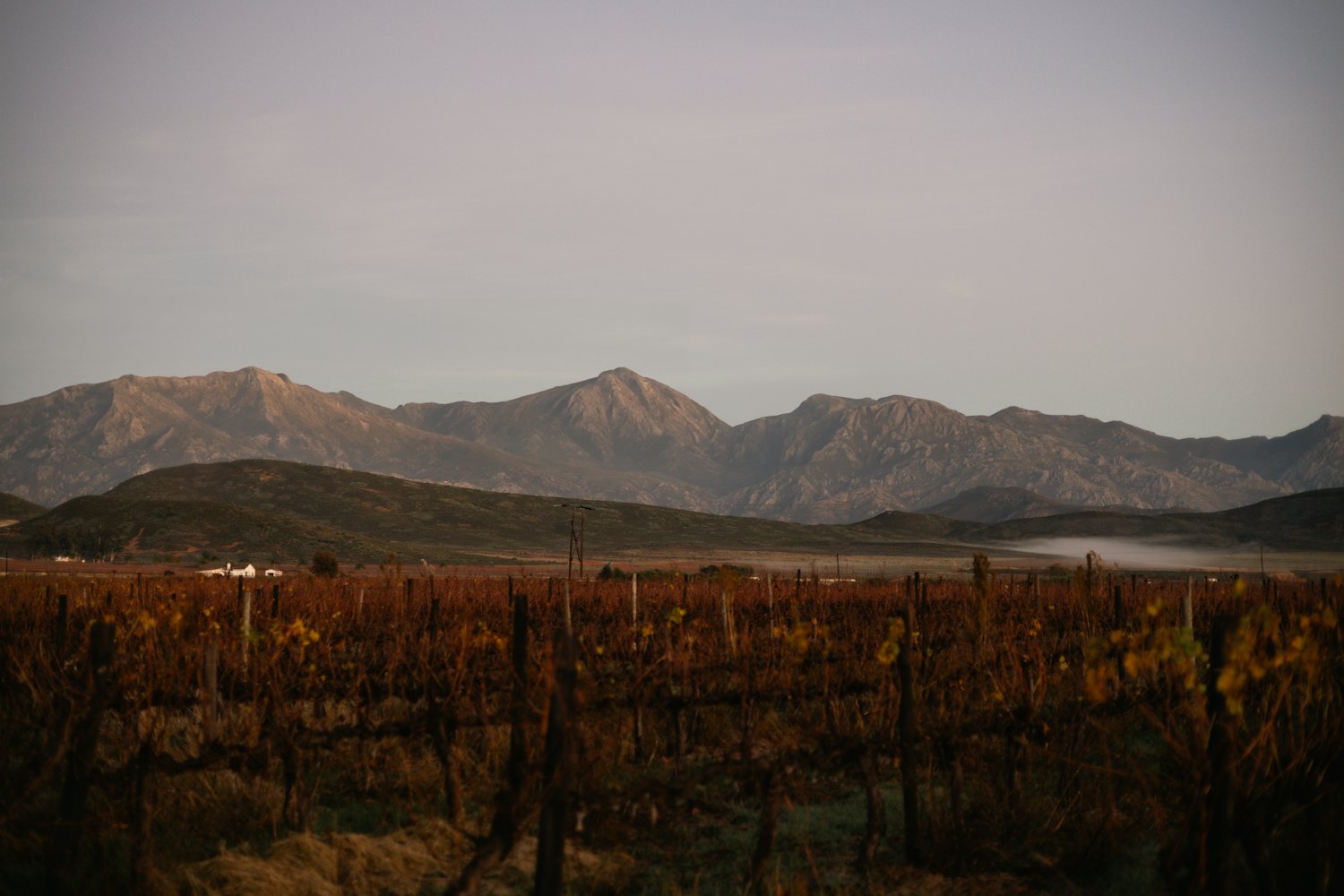
San Juan
Argentina's second-largest wine province. Hotter, drier, and the country's home of Syrah, with Bonarda and a rising Pedernal Valley.
La Rioja
The oldest wine region in Argentina — vines planted by Jesuits in the 16th century, still producing distinctive Torrontés Riojano.

Buenos Aires & the coast
A small, surprising frontier — new coastal vineyards, just south of the capital, making fresh wines from a salt-air climate.