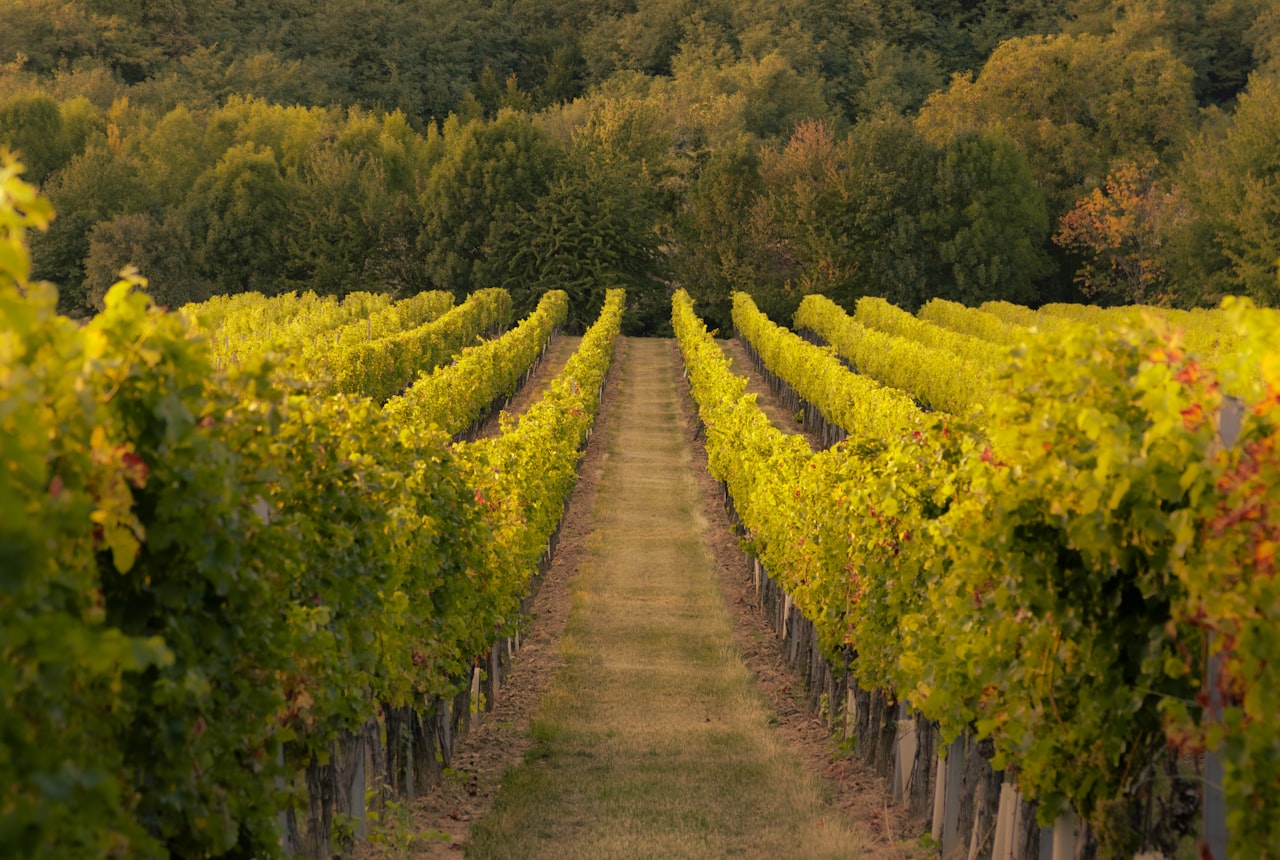
Cabernet Sauvignon: Malbec's most serious partner
Argentina's third most planted grape — the structured, disciplined red that builds the country's most ambitious, age-worthy wines. If Malbec is the heart, Cabernet is the spine.
There is a quiet argument at the heart of Argentine fine wine, and it goes like this: Malbec made the country famous, but Cabernet Sauvignon may be what makes it taken seriously. For decades Cabernet here played second fiddle — the structured, disciplined grape that lent backbone to Malbec's exuberance. Today it is both Argentina's third most planted variety and the engine room of its most ambitious, age-worthy reds. If Malbec is the heart, Cabernet Sauvignon is the spine.
The world's most famous red, at the foot of the Andes
Cabernet Sauvignon is the most widely planted wine grape on the planet, the grape behind the great reds of Bordeaux and Napa. It is itself a natural cross of Cabernet Franc and Sauvignon Blanc — which makes Argentina's exciting Cabernet Franc its parent, a nice piece of family symmetry for anyone working through these guides.
In Argentina it is no bit player. It is the country's third most planted variety, with somewhere in the region of 13,000 to 15,000 hectares under vine — around 6 to 7% of the national vineyard. That is still a fraction of Malbec's roughly 40,000-plus hectares, but it places Cabernet firmly among the country's most important grapes, ahead of Syrah.
Why Mendoza suits it
Cabernet Sauvignon is a late-ripening grape that needs sun and warmth to lose its green, herbal edge — and Mendoza's high desert delivers both, with a twist. The intense Andean sunlight ripens the fruit fully, while the altitude drags the nighttime temperature down hard. That day–night swing is the secret to Argentine Cabernet: it builds ripe, generous fruit without losing freshness, structure or color.
It is grown mostly in Mendoza, especially in the foothill districts of Luján de Cuyo and Maipú, at altitudes broadly between 700 and 1,100 meters. The dry, windy, snowmelt-irrigated climate keeps the vines healthy and disease low. A few districts have become names worth knowing:
- Agrelo (in Luján de Cuyo) — famous first for Malbec, but a growing crop of outstanding Cabernet now rivals it; home to some of Argentina's most celebrated estates.
- Las Compuertas and Vistalba — high, stony, mineral-rich sites that give elegant, structured reds.
- Barrancas (a warmer pocket of Maipú) — produces darker, softer, rounder Cabernet.
Climb into the cooler, higher Uco Valley and Cabernet turns more taut and savory; drop into the warmer, lower vineyards and it grows plush and full. Same grape, different mountain.
What it tastes like
Argentine Cabernet is a wine of dark fruit and firm architecture. Expect blackcurrant and cassis, blackberry and plum, wrapped in cedar, tobacco and sweet spice from oak ageing, often with a graphite or dusty-earth note from the stony soils. The best examples are full-bodied and structured, with firm tannins and the kind of balance that lets them age gracefully for years — a quality still rare among New World reds.
Made on its own, it is voluptuous but serious. But Cabernet's greatest role in Argentina may be as a partner.
The grape behind the country's most ambitious blends
This is where Cabernet earns its keep. Blended with Malbec — often with a little Cabernet Franc and Petit Verdot in a Bordeaux-inspired style — it adds structure, tannin and ageing potential to Malbec's plush fruit. The result is Argentina's “icon wine” category: the bottles that compete on the world stage.
The landmark moment came with Nicolás Catena Zapata. Its inaugural 1997 vintage, a Cabernet Sauvignon–Malbec blend, won a series of blind tastings against prestigious cuvées from around the world — a result that announced Argentina as a source of genuinely world-class reds, not just great value. Estates like Mendel built reputations on Cabernet of real concentration and ageability. The grape that arrived as a supporting actor had quietly become a headliner.
How to drink it
Cabernet Sauvignon is built for the grill, and Argentina knows what to do with that. Its firm tannins and dark fruit are a classic match for red meat — a thick cut of grass-fed beef from the asado, lamb, or anything charred and substantial. The tannins cut through fat; the dark fruit echoes the char. Aged hard cheeses work beautifully too.
If your Argentine wine journey started with Malbec, Cabernet is the natural step toward the country's more structured, age-worthy side — and tasting a top Cabernet–Malbec blend is the single best way to understand why Argentina now sits at the world's top table of red wine. Drink the Malbec for joy; drink the Cabernet for respect.
Quick answers
Is Cabernet Sauvignon big in Argentina?
Yes — it is Argentina's third most planted grape variety, with roughly 13,000–15,000 hectares under vine. While Malbec is far larger, Cabernet is one of the country's most important grapes and central to its top red blends.
Where is Cabernet Sauvignon grown in Argentina?
Mostly in Mendoza, especially the foothill districts of Luján de Cuyo (including Agrelo, Vistalba and Las Compuertas) and Maipú, at altitudes broadly between 700 and 1,100 meters. Cooler, higher sites give more savory styles; warmer, lower ones give plusher wines.
What does Argentine Cabernet Sauvignon taste like?
Expect dark fruit such as blackcurrant, cassis and plum, with cedar, tobacco and spice from oak, and often a graphite or earthy note. It is typically full-bodied and structured, with firm tannins and good ageing potential.
What is the difference between Cabernet Sauvignon and Malbec?
Cabernet is more structured and tannic, with blackcurrant and cedar notes and strong ageing potential, while Malbec is plusher and more fruit-forward. The two are often blended, with Cabernet adding backbone to Malbec's generous fruit.
What food pairs with Argentine Cabernet Sauvignon?
It is excellent with red meat — grilled grass-fed beef, lamb and Argentine asado — as well as aged hard cheeses. Its firm tannins handle fat and char particularly well.


