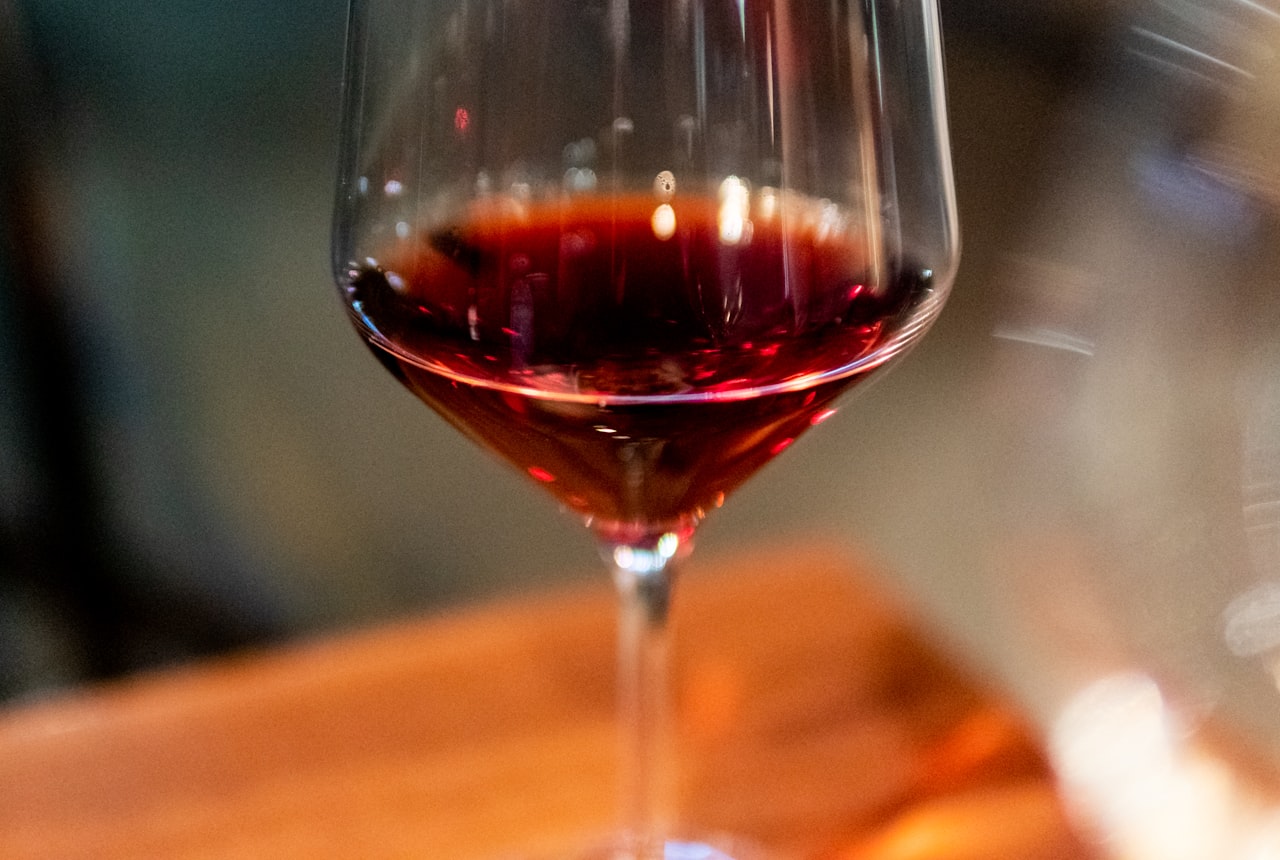
A glass of pale, translucent ruby-red Pinot Noir
Wines & Grapes — Pinot Noir

Pinot Noir: the heartbreak grape finds Argentina

Argentina's most delicate red — tiny in volume, big in ambition. Cool-climate Pinot Noir from the windswept far south and the high rooftop of the Uco Valley.

Argentina Through Wine  ·  7 min read  ·  June 2026

Pinot Noir is famously the “heartbreak grape” — thin-skinned, fickle, quick to disappoint, and capable, in the right place, of producing some of the most haunting wines on earth. Argentina is not the first country you think of for it. And yet, at the two opposite edges of the country's wine map — the windswept far south and the high rooftop of the Uco Valley — Argentina is quietly making Pinot Noir of real elegance. It is the country's most delicate red, the antidote to the muscle of Malbec.

A tiny grape with outsized ambition

Let's be honest about scale: Pinot Noir is a rounding error in Argentina, accounting for under 2% of the country's red grape plantings. Nobody grows it by accident. It is planted by producers chasing a specific, difficult dream — a cool-climate, Burgundian-style red in a country built on big, sun-drenched fruit. That makes Argentine Pinot a wine of intent, and the good examples are some of the most exciting bottles the country produces.

The challenge with Pinot is that it needs coolness and a long, gentle ripening — exactly what most of warm Argentina cannot offer. The solution has been to go to extremes: as far south as possible, or as high up as possible.

Home one: the far south of Patagonia

Patagonia — specifically the northern provinces of Río Negro and Neuquén, with newer frontiers in Chubut — is Argentina's cool-climate heartland, and for grapes like Pinot Noir it is something close to nirvana.

The wines grow in green ribbons of irrigated valley cut through the dry Patagonian desert, most famously the Alto Valle (“High Valley”) of Río Negro, where meltwater rivers off the Andes feed a band of vineyards and fruit orchards. By Argentine standards the altitude is very low — around 250 to 450 meters — but it doesn't matter, because latitude does the work that elevation does elsewhere: long days, cold nights, strong winds and abundant sun give a big swing between day and night temperatures and a long, slow growing season. The result is Pinot with concentrated red fruit balanced by lively acidity and fine tannin.

This is also where you find one of the most celebrated Pinot projects in South America: Bodega Chacra, where Piero Incisa della Rocchetta — heir to Italy's legendary Sassicaia — farms old-vine, biodynamic Pinot Noir in Río Negro. Further south, on the 45th parallel in Chubut, sits some of the southernmost viticulture on the planet. Patagonia is also a place where, refreshingly, it is a genuine toss-up whether the reds or the whites are the more thrilling.

A windswept Patagonian valley among mountains, near the southern vineyards
Patagonia's far-south valleys: low altitude, but long days, cold nights and relentless wind do what elevation does further north.

Home two: the high rooftop of the Uco Valley

The other answer is to climb. In the high reaches of the Uco Valley in Mendoza — especially the cold, stony Gualtallary district that has also made its name with Cabernet Franc — producers have found that extreme altitude can substitute for southern latitude. Above roughly 1,200 meters, the thin mountain air and frigid nights let the grape ripen slowly while holding its acidity, and the stony soils lend a mineral “wind and stone” tension that only cold mornings can produce.

Catena's Domaine Nico project has gone so far as to argue that high-altitude Uco may be a genuinely new ideal terroir for Pinot Noir anywhere in the world. Whether or not you agree, the wines — alongside benchmark bottlings from producers like Salentein — make a serious case.

You are tasting a country figuring something out in real time.

What it tastes like

Argentine Pinot Noir is pale in color and light on its feet — the opposite of a brooding Malbec. Expect aromas of red cherry, strawberry and raspberry, often lifted by floral notes of dried rose petal and, in the more complex examples, a savory hint of truffle or forest floor. On the palate it is delicate and fresh, with bright acidity and fine, silky tannins. From the stoniest, highest or coolest sites it gains that distinctive mineral, wind-blown tension that sets the best apart.

It is worth saying plainly: Argentina is still early in its Pinot journey, still discovering what its own Pinot Noir really is. That is exactly why it is fun to drink now — you are tasting a country figuring something out in real time.

How to drink it

Pinot's lightness and acidity make it one of the most food-flexible reds there is, and a welcome break from the heavier Argentine reds. It loves roast poultry and duck, salmon and other meatier fish, mushroom dishes, and softer cheeses — and served very slightly chilled, it is a joy. If your Argentine wine education began with the power of Malbec and Cabernet, Pinot Noir is the elegant turn at the end of the road: the proof that this country of big mountain reds can also whisper.

Common Questions

Quick answers

Does Argentina make good Pinot Noir?

Increasingly, yes. It is a small category — under 2% of Argentina's red plantings — but producers in cool-climate Patagonia and the high-altitude Uco Valley are making elegant, age-worthy Pinot Noir, and the best examples are among the country's most exciting wines.

Where is Pinot Noir grown in Argentina?

Mainly in two places: the cool far-south region of Patagonia (Río Negro, Neuquén and newer sites in Chubut), and the high-altitude Uco Valley in Mendoza, especially the cold, stony Gualtallary district above about 1,200 meters.

What does Argentine Pinot Noir taste like?

It is pale and light-bodied, with red cherry, strawberry and raspberry fruit, floral rose-petal notes and sometimes a savory, truffly complexity. It has bright acidity and fine, silky tannins, with a mineral tension from the coolest, highest sites.

Why is Pinot Noir called the heartbreak grape?

Because it is thin-skinned, sensitive to climate and difficult to grow well, frustrating winemakers who attempt it. When it succeeds, though, it produces some of the most prized and elegant wines in the world — which is why growers keep trying.

What food pairs with Argentine Pinot Noir?

Its lightness and acidity suit roast poultry and duck, salmon and meatier fish, mushroom dishes and soft cheeses. It can be served slightly chilled and is far more food-flexible than heavier reds like Malbec.