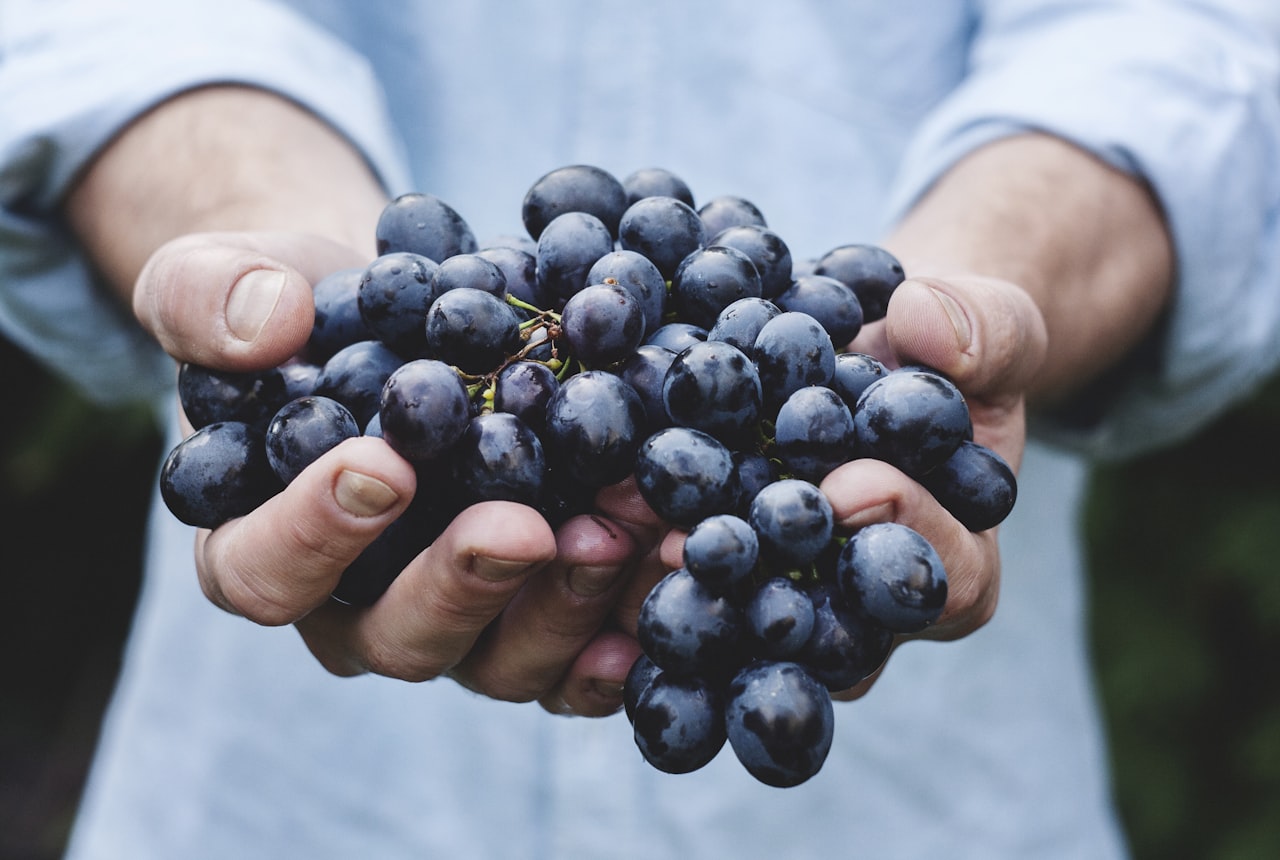
Hands cradling a cluster of dark grapes at harvest, golden light
Wine Craft — How It's Made

From grape to glass: how wine is made

Every wine in the world goes through six steps. The differences between Malbec and Champagne are mostly small choices at each step — here is the whole journey, plainly told.

Argentina Through Wine  ·  9 min read  ·  June 2026

In one lineEvery wine in the world goes through six steps — harvest, crush, ferment, clarify, age, bottle. The differences between Malbec and Champagne are mostly small choices at each step.
Hands cradling a cluster of dark grapes at harvest, dusty from the vineyard, golden light
Six weeks of harvest. Six steps in the winery. Two years to your glass.

Wine is one of the oldest products humans make, and the basic process has barely changed in 8,000 years. What has changed is precision. Modern winemakers control every step — sugar levels, fermentation temperature, oxygen exposure — that older generations left to chance. Here is the whole journey, plainly told.

Step 1 — Harvest

The decision that shapes the wine more than any other isn't made in the winery. It's made in the vineyard, on a single morning, when the winemaker decides the grapes are ready.

Pick too early and the wine will be sharp, green, low in alcohol. Pick too late and the wine will be heavy, jammy, flabby. The window can be as narrow as 48 hours.

Harvest workers picking grapes by hand into shallow baskets at dawn
Argentine Vendimia begins in early March in Mendoza, later in the high north.

In Argentina, Vendimia — the grape harvest — happens between February and April, depending on altitude. Low Mendoza first, the high Uco Valley next, then the highest vineyards of Salta in April.

Hand-picking vs machine. Premium wineries pick by hand into small baskets so the fruit isn't crushed in transit. Bulk producers use mechanical harvesters that shake the grapes off the vines. The hand-picked grapes arrive intact; the machined grapes arrive as juice. Different starting points, different wines.

Step 2 — Crush & press

In the winery, the first big choice happens. Red wine and white wine separate here.

Ripe grapes being readied for the destemmer-crusher
The destemmer-crusher: stems out, skins broken just enough to release the juice.

For white wine, the grapes are crushed and then pressed immediately — the juice is separated from the skins right away. That's why most whites are pale and low in tannin: the skins (where color and tannin live) never get a chance to influence the wine.

For red wine, the opposite. The crushed grapes — skins, seeds, juice and all — go into a tank together, and ferment as a single mixture. The skins are what give red wine its color, tannin, and most of its flavor.

Rosé is the in-between move: red grapes crushed like reds, but the skins removed after just a few hours of contact. Enough to take some color and aromatics, not enough to taste like a red.

Step 3 — Fermentation

This is where grape juice becomes wine. Yeast eats sugar and exhales alcohol and CO2. That single chemical reaction is the entire reason wine exists.

A row of stainless steel fermentation tanks in a dark winery interior
Yeast at work. Each tank is a different lot — different grape, different vineyard, different style.

The choices a winemaker makes here change everything:

  • Wild yeast or cultivated yeast. Wild yeasts live on the grape skins themselves; cultivated yeasts are added from a packet. Wild = unpredictable, complex, sometimes brilliant. Cultivated = reliable, controlled, more uniform.
  • Cool or warm. Whites ferment cool (10–18°C / 50–64°F) to preserve aromatics. Reds ferment warm (20–32°C / 68–90°F) to extract color and tannin.
  • Vessel. Stainless steel, concrete, oak — each gives different texture and flavor. We cover this in depth in steel, concrete or amphora (coming soon).

For reds, there's an extra job: punching down or pumping over. Several times a day, the cap of floating skins on top of the fermenting tank is pushed back into the juice — to keep extracting color and flavor. Skip it, and the wine comes out pale and thin.

Fermentation takes a few days to several weeks, depending on the wine. When the yeast eats all the sugar, fermentation stops on its own. The result is a dry wine. (Sweet wines stop fermentation early, leaving sugar behind.)

Step 4 — Pressing, settling, malolactic

After fermentation, the wine is still cloudy and rough. Three quick things happen.

For reds: the wine is pressed off the skins now (the opposite order from whites). The first wine to come off — the “free run” — is the most refined. The pressing of what's left squeezes out more concentrated, tannic wine which is often blended back in small amounts.

For most reds and many whites: a second fermentation called malolactic (or MLF) converts sharp malic acid (think green apple) into softer lactic acid (think yogurt). It's why barrel-aged Chardonnay tastes creamy and buttery, and why most reds taste smooth rather than tart. We cover this in malolactic fermentation explained (coming soon).

Settling and racking: the wine is left to drop its sediment naturally, then siphoned into a clean tank, leaving the gunk behind. Repeat as needed.

Step 5 — Aging

This is where the winemaker spends time and money on patience.

Rows of oak barrels stacked in a long stone cellar, warm cellar light
Aging is where wine learns who it will become.

Stainless steel — fast, neutral, keeps the wine fresh and fruit-forward. The common choice for everyday whites and lighter reds (Sauvignon Blanc, fresh Pinot, easy-drinking Malbec).

Oak barrels — slow, transformative, adds vanilla, smoke, mocha, and softens tannins over months. The choice for serious reds and richer whites. Read the full visual story in how oak barrels shape a wine.

Concrete and amphora — increasingly popular middle ground. Some texture and oxygen exchange like oak, but no wood flavor.

How long? Anywhere from a couple of months for a light white to two years for an Argentine icon Malbec — and then more time in the bottle before drinking.

Step 6 — Bottle (& everything that's different about sparkling)

Finally, the wine is filtered, sometimes fined (clarified with natural agents), and bottled. For most wines this is the end of the road; for a few, the bottle is just the beginning.

Sparkling wine breaks the rules. After the base wine is made, a second fermentation happens inside the bottle — yeast and a little sugar are added, the bottle is sealed, and the CO2 from that second fermentation can't escape. The bubbles are trapped. This is the traditional method (the way Champagne is made), and it's used by Argentina's most serious sparkling producers, mostly in the Uco Valley.

Cheaper sparkling (Charmat method, Prosecco-style) does the second fermentation in a tank, not the bottle. Faster, less complex, perfectly nice for the price.

The cork, the foil, the label — all of these are choices too, and we cover them in wine corks vs screw caps (coming soon) and how to read a wine label.

How red, white, rosé and sparkling actually differ

A quick visual: the same six steps, four different paths.

StepRedWhiteRoséSparkling
1. HarvestRiperEarlier (preserve acidity)RiperEarliest (high acid)
2. CrushSkins stayPress off skins immediatelyBrief skin contactPress off skins fast
3. FermentWarm, with skinsCool, no skinsCool, no skinsCool, no skins
4. MLFUsually yesOften (Chardonnay) / sometimesRarelySometimes
5. AgeOak common, longTank or oak, short–mediumTank, shortBottle (lees aging)
6. BottleStandardStandardStandard+ second fermentation in bottle

The Argentine version

Argentina's winemaking has a few signatures.

Altitude changes everything. Vineyards at 1,000–1,500 metres have intense UV light that thickens grape skins — more color, more flavor compounds before the grapes even reach the winery. See why altitude is Argentina's superpower.

Long aging is the norm. Icon Malbecs, Cabernet Sauvignons and Cabernet Francs typically spend 12–24 months in oak, longer than equivalent New World peers.

A pivot toward less oak. The most modern Argentine producers — Zuccardi, Catena's Adrianna program, the boutique Uco Valley wineries — are moving toward concrete tanks, foudres and amphora. The country's wines are getting fresher and more terroir-driven every vintage.

For the people behind this evolution, read how Malbec saved Argentina.

Browse our Argentina wine tours

Common Questions

Quick answers

What are the steps in making wine?

Wine is made in six basic steps: harvest, crush and press, ferment, clarify (including malolactic fermentation), age, and bottle. The differences between red, white, rosé and sparkling come down to small choices at each step — most importantly when and how the grape skins are separated from the juice.

What's the difference between making red and white wine?

The biggest difference is skin contact. Red wines ferment together with their skins, which give them color and tannin. White wines have the juice pressed off the skins immediately after crushing, so they stay pale and low in tannin. Everything else — yeast, temperature, aging — flows from that one choice.

How is sparkling wine different from still wine?

Sparkling wine undergoes a second fermentation that happens inside the sealed bottle (traditional method) or inside a pressurized tank (Charmat method). The CO₂ from that fermentation cannot escape and stays dissolved in the wine, creating the bubbles.

How long does it take to make a bottle of wine?

Anywhere from a few months to several years. Light whites and rosés can be ready in 4–6 months. Mid-bodied reds take a year. An Argentine icon Malbec typically spends 18–24 months aging in oak after fermentation, then another six months in the bottle — about two and a half years total from harvest to release.

What is malolactic fermentation?

A secondary fermentation that converts sharp malic acid (the same acid found in green apples) into softer lactic acid (the acid in yogurt). It happens in most red wines and many whites, and it's the reason barrel-aged Chardonnay tastes creamy rather than tart.