Step 6 of 6

Bottle

For most wines, this is the end. For sparkling, just the beginning. The wine is filtered, sometimes fined (clarified with natural agents), and bottled.

Sparkling wine breaks the rules. After the base wine is made, a second fermentation happens inside the bottle — yeast and a little sugar are sealed in, and the CO2 can't escape. The bubbles are trapped.

This is the traditional method (the way Champagne is made), and Argentina's serious sparkling producers use it too, mostly in the Uco Valley.
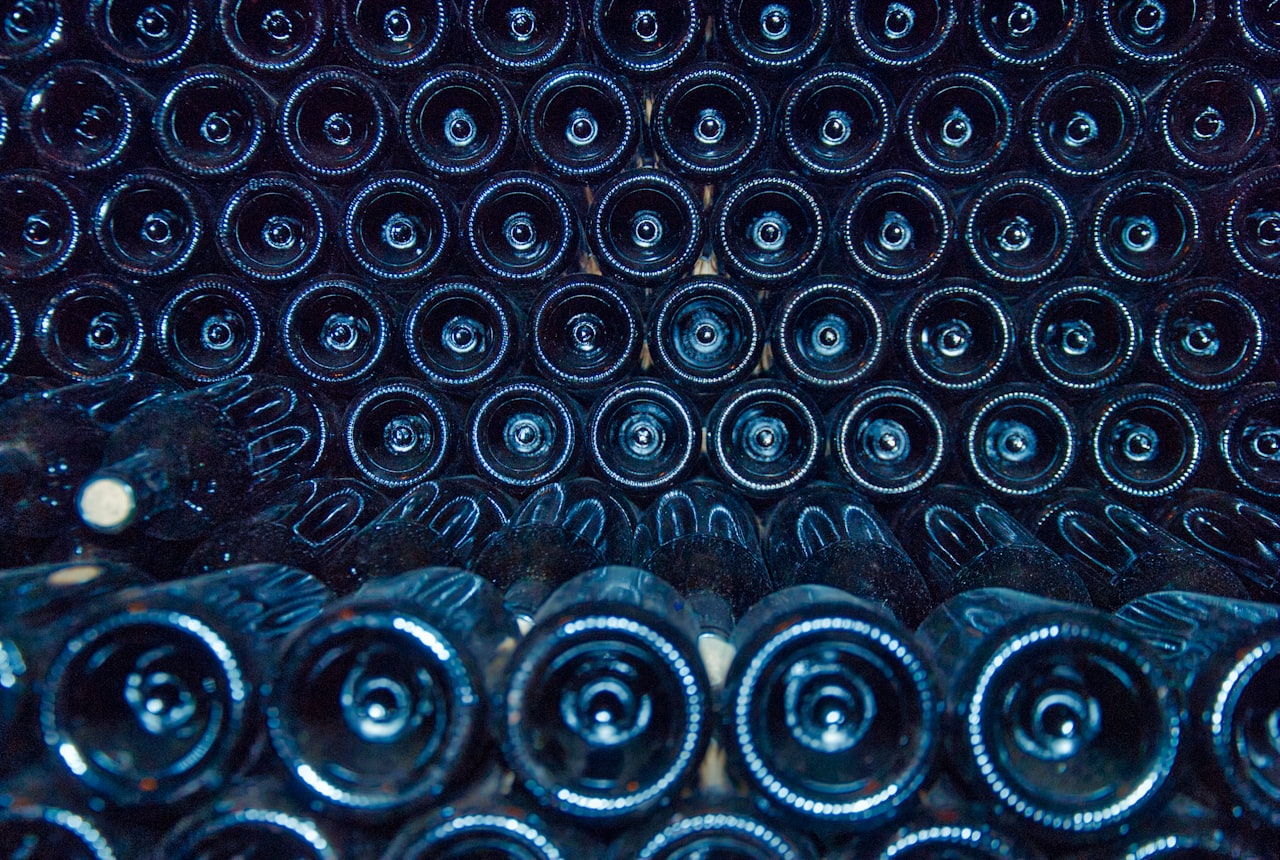
A bottling line in a modern Argentine winery with bottles moving along the conveyor
The end of one journey. The start of another.

The Argentine signature

Altitude does work no other country can replicate. Argentine vineyards sit between 800 and 3,100 meters — higher than almost anywhere else in the world.

Intense UV at altitude thickens grape skins before the fruit even reaches the winery. More color, more tannin, more flavor compounds. The wine is already different before the winemaker touches it.

The country is also pivoting — quietly, vintage by vintage — from heavy oak to concrete and foudre, letting the altitude-driven fruit speak for itself.
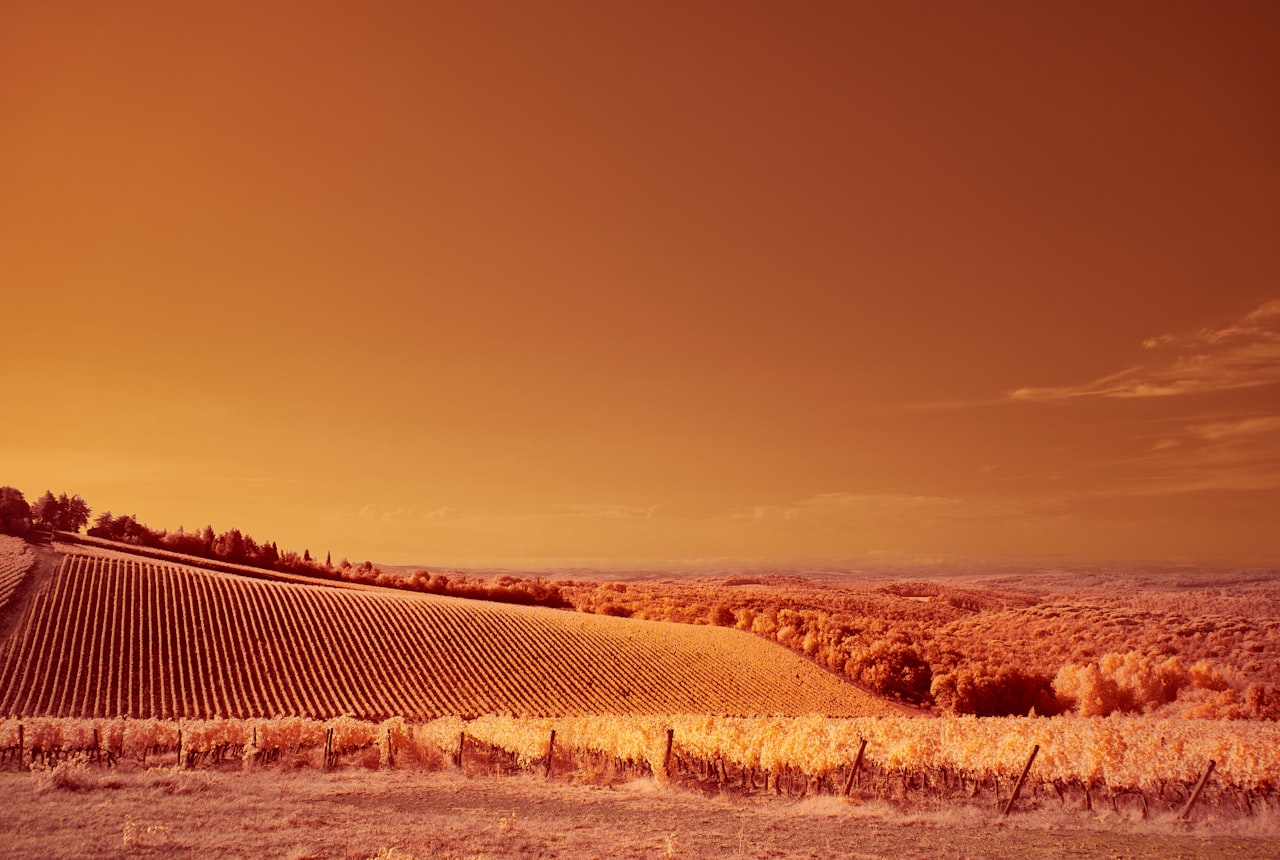
High-altitude vineyard at sunset with snow-capped Andes in the background, low light catching the vines
3,100 meters of altitude does work no winemaker can fake.

Understanding Argentine Wine (FAQ)

What makes Argentine Malbec so unique?

Argentina's high-altitude vineyards, particularly in Mendoza's Uco Valley, receive intense sunlight and experience dramatic temperature shifts between day and night. This slows grape ripening, resulting in rich flavors, balanced acidity, and smooth tannins.

How should I plan a wine tour in Mendoza?

We recommend booking tastings at least 2-3 months in advance, especially for prestigious wineries. Focus on one sub-region per day (like Luján de Cuyo or Uco Valley) to minimize travel time and enjoy a relaxed pace.

What are the best food pairings for Torrontés?

Torrontés, Argentina's signature white wine, is highly aromatic with floral notes. It pairs beautifully with spicy Asian cuisine, fresh seafood, and traditional Argentine empanadas (especially those containing corn or cheese).