Step 4 of 6

Clarify

The wine is still rough after fermentation — three things happen now. Reds get pressed off the skins (the opposite order from whites).

Then most reds and many whites go through a second fermentation called malolactic (MLF) — converting sharp malic acid (green apple) into softer lactic acid (yogurt).

This is why barrel-aged Chardonnay tastes creamy and buttery instead of tart, and why most reds taste smooth rather than sharp.
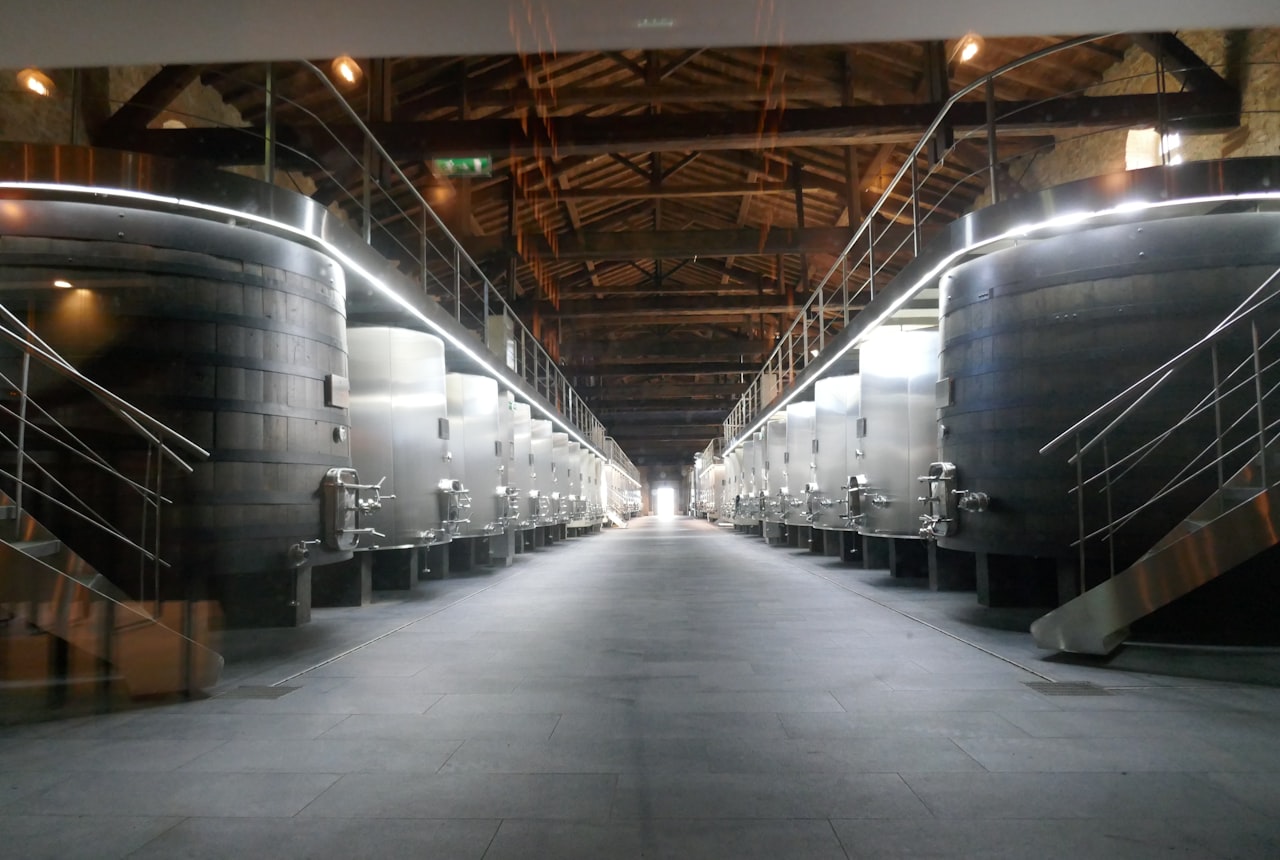
Clarified wine being racked from one tank to another, clear deep ruby liquid catching warm light
The wine separates from its sediment, then begins to soften.

Understanding Argentine Wine (FAQ)

What makes Argentine Malbec so unique?

Argentina's high-altitude vineyards, particularly in Mendoza's Uco Valley, receive intense sunlight and experience dramatic temperature shifts between day and night. This slows grape ripening, resulting in rich flavors, balanced acidity, and smooth tannins.

How should I plan a wine tour in Mendoza?

We recommend booking tastings at least 2-3 months in advance, especially for prestigious wineries. Focus on one sub-region per day (like Luján de Cuyo or Uco Valley) to minimize travel time and enjoy a relaxed pace.

What are the best food pairings for Torrontés?

Torrontés, Argentina's signature white wine, is highly aromatic with floral notes. It pairs beautifully with spicy Asian cuisine, fresh seafood, and traditional Argentine empanadas (especially those containing corn or cheese).