Step 3 of 6

Fermentation

Yeast eats sugar, makes alcohol. That single chemical reaction is the entire reason wine exists. Yeast consumes the sugar in grape juice and exhales alcohol and CO2.

The winemaker's choices here decide everything: wild yeast or cultivated, cool or warm, stainless steel, concrete or oak. For reds, a daily ritual of “punching down” the floating cap of skins keeps the color and flavor extracting.

When the yeast eats all the sugar, fermentation stops on its own — that's a dry wine. Sweet wines stop early, leaving sugar behind.
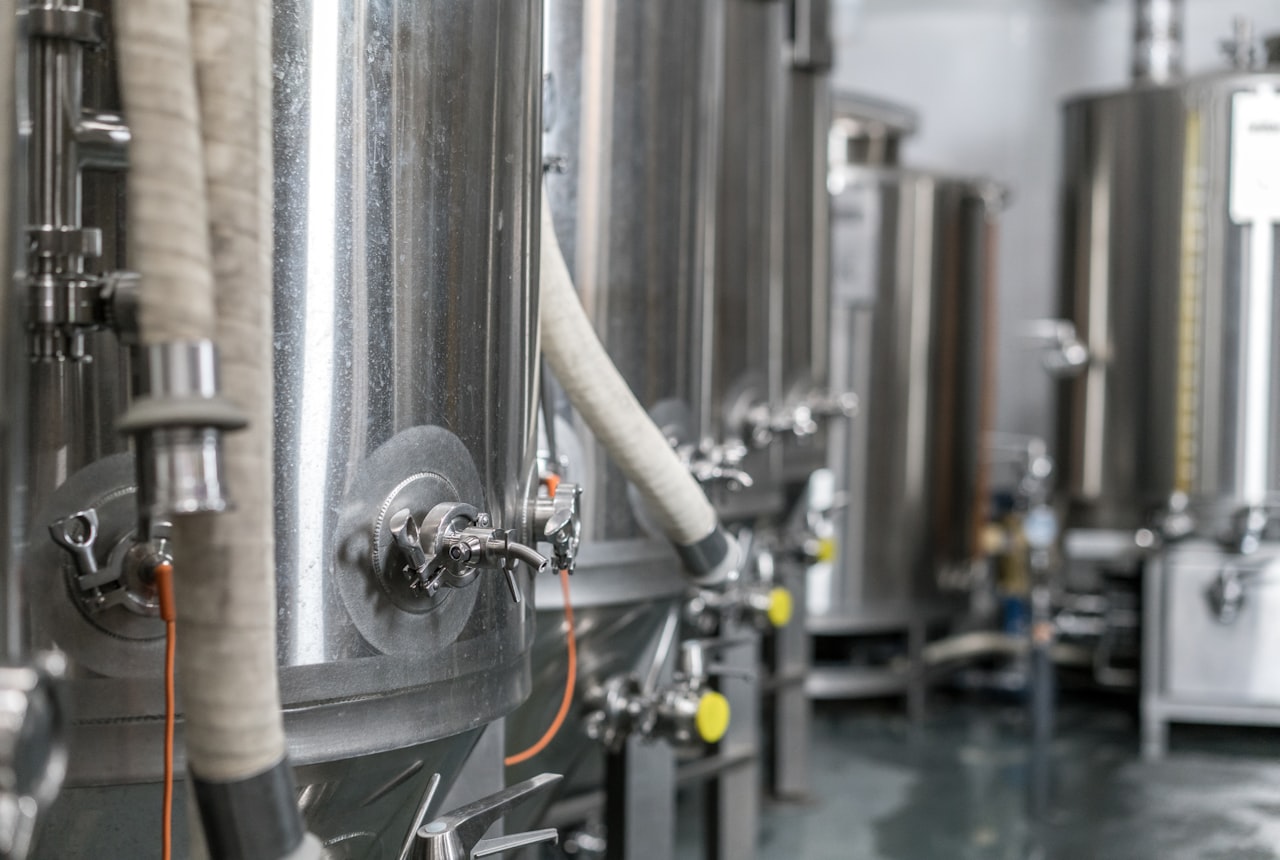
A row of stainless steel fermentation tanks with hatches open, frothy red wine bubbling visibly
Yeast at work. The most active week in the wine year.

Understanding Argentine Wine (FAQ)

What makes Argentine Malbec so unique?

Argentina's high-altitude vineyards, particularly in Mendoza's Uco Valley, receive intense sunlight and experience dramatic temperature shifts between day and night. This slows grape ripening, resulting in rich flavors, balanced acidity, and smooth tannins.

How should I plan a wine tour in Mendoza?

We recommend booking tastings at least 2-3 months in advance, especially for prestigious wineries. Focus on one sub-region per day (like Luján de Cuyo or Uco Valley) to minimize travel time and enjoy a relaxed pace.

What are the best food pairings for Torrontés?

Torrontés, Argentina's signature white wine, is highly aromatic with floral notes. It pairs beautifully with spicy Asian cuisine, fresh seafood, and traditional Argentine empanadas (especially those containing corn or cheese).