De la uva a la copa: cómo se elabora el vino
La guía visual de cómo nace cada botella — vendimia, molienda, fermentación, crianza y embotellado. Con las pequeñas decisiones que definen tintos, blancos y espumosos.
The visual guide to how every bottle of wine is made — harvest, crush, ferment, age, bottle. With the small choices that separate red, white and sparkling.
Los 6 capítulos
01Harvest
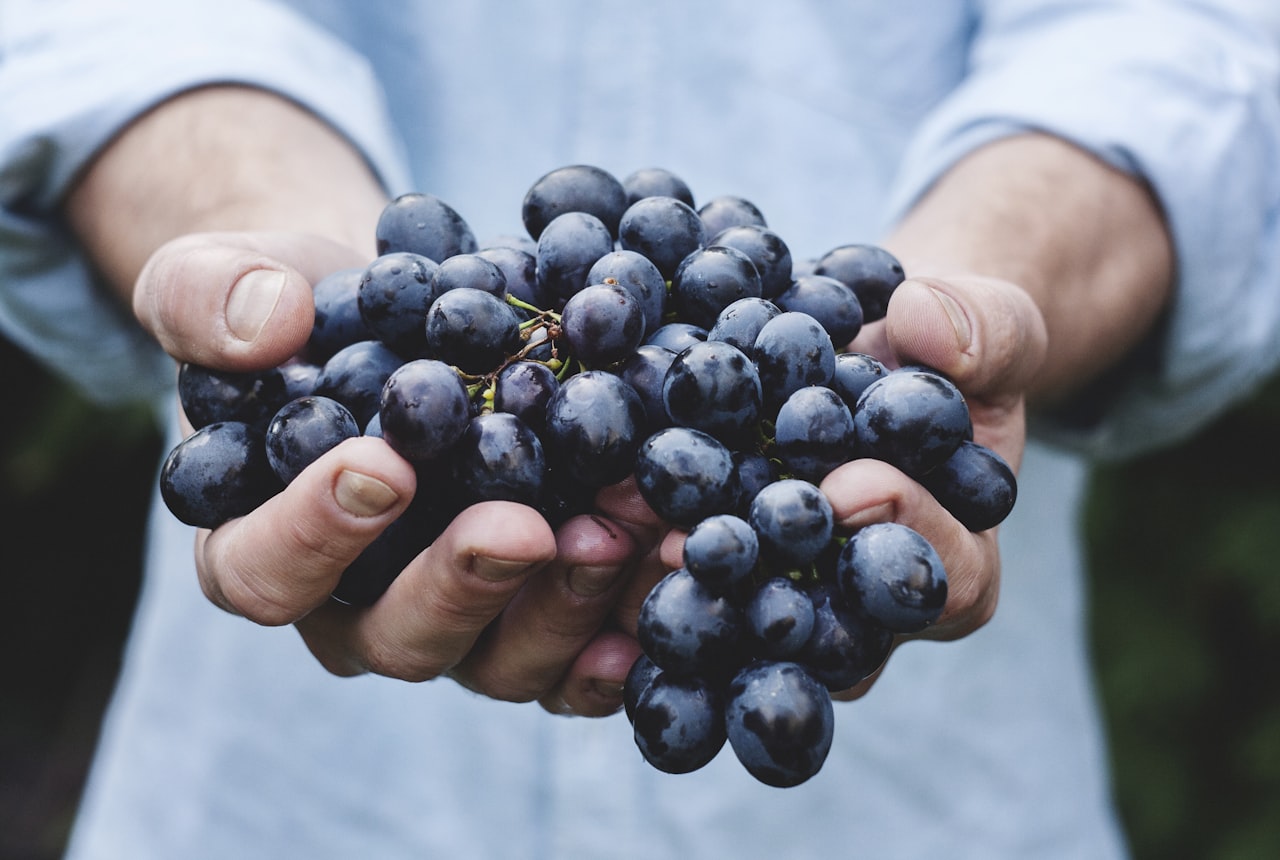
Wine is made in the vineyard, on a single morning.
Leer el capítulo 1 →Crush & press
This is where red and white wine split.
Leer el capítulo 2 →Fermentation
Yeast eats sugar, makes alcohol.
Leer el capítulo 3 →Clarify
The wine is still rough after fermentation — three things happen now.
Leer el capítulo 4 →Age
Stainless, oak, or concrete — each builds a different wine.
Leer el capítulo 5 →Bottle
For most wines, this is the end. For sparkling, just the beginning.
Leer el paso 6 →Respuestas rápidas
What are the steps in making wine?
Wine is made in six basic steps: harvest, crush and press, ferment, clarify (including malolactic fermentation), age, and bottle. The differences between red, white, rosé and sparkling come down to small choices at each step — most importantly when and how the grape skins are separated from the juice.
What's the difference between making red and white wine?
The biggest difference is skin contact. Red wines ferment together with their skins, which give them color and tannin. White wines have the juice pressed off the skins immediately after crushing, so they stay pale and low in tannin.
How is sparkling wine different from still wine?
Sparkling wine undergoes a second fermentation that happens inside the sealed bottle (traditional method) or in a pressurized tank (Charmat method). The CO2 from that fermentation cannot escape and stays dissolved in the wine, creating bubbles.
How long does it take to make a bottle of wine?
From a few months to several years. Light whites and rosés can be ready in 4–6 months. Mid-bodied reds take a year. An Argentine icon Malbec typically spends 18–24 months in oak, plus another six months in the bottle — about two and a half years total.
What is malolactic fermentation?
A secondary fermentation that converts sharp malic acid (the same acid in green apples) into softer lactic acid (the acid in yogurt). It happens in most red wines and many whites, and is why barrel-aged Chardonnay tastes creamy rather than tart.