Altitude Chardonnay
Why altitude changes everything
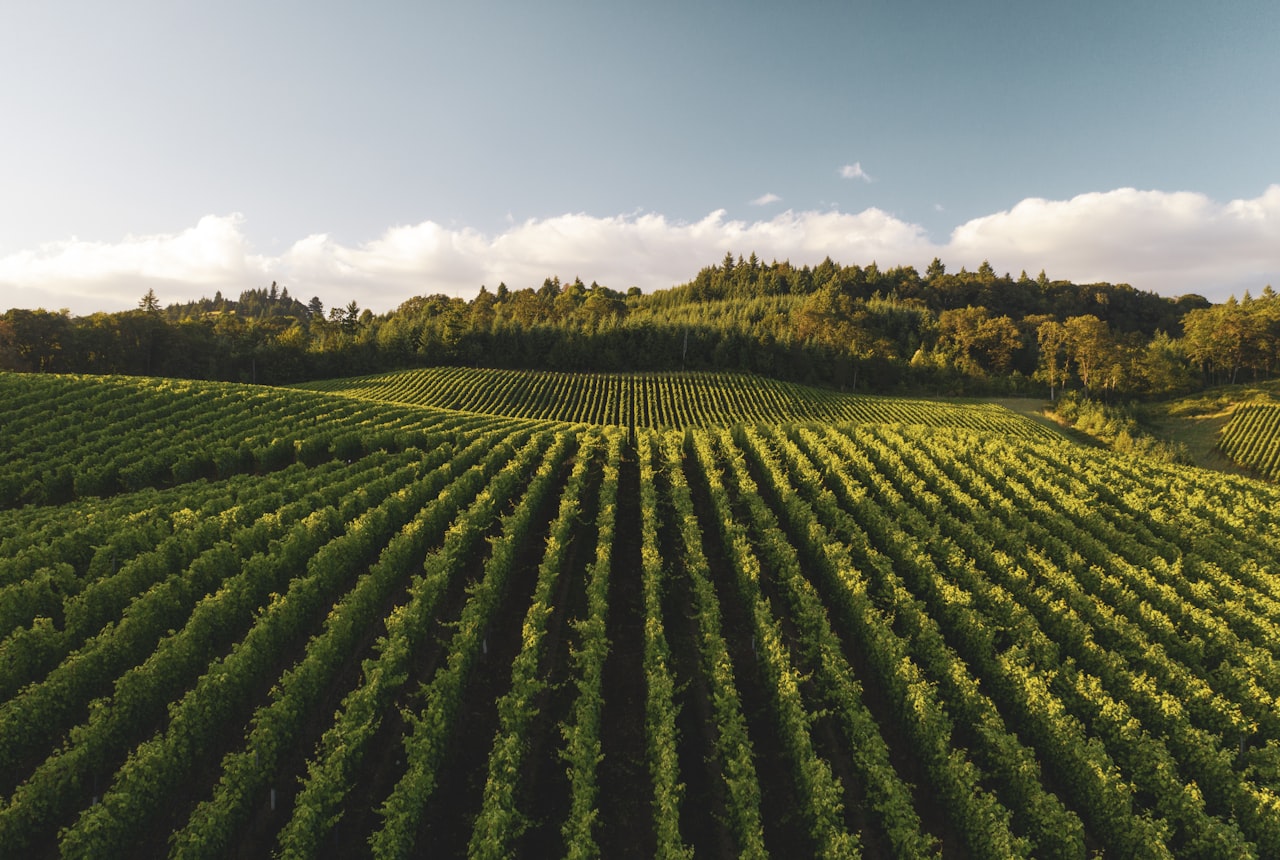
The problem with white wine in a hot, sunny country is acidity: warmth makes grapes ripe and flabby, and crisp whites need freshness. Argentina's answer, as with Pinot Noir and Cabernet Franc, is elevation. In the high reaches of the Uco Valley, the engine of this revolution, vineyards climb from around 1,100 up toward 1,500 metres and beyond. The intense mountain sun ripens the fruit; the bitterly cold nights lock in the acidity. That day-to-night swing is the whole secret.
There is a second ingredient that makes high-altitude Argentine Chardonnay special: the soil. The best districts — above all Gualtallary in Tupungato — sit on rare calcareous, limestone-rich, stony ground. Limestone is the classic soil of white Burgundy, and it is unusual in the New World. It is the reason these wines carry a mineral, chalky tension that wine lovers recognise instantly. The same district in Mendoza that makes prized Malbec and Cabernet Franc, it turns out, makes Argentina's finest whites.
How to drink it
Chardonnay's range makes it one of the most food-friendly whites there is. The lean, mineral Argentine style is lovely with white fish and seafood, ceviche, roast chicken and creamy pastas; richer, oak-touched versions stand up to lobster, cheese and even pork. Serve it well-chilled but not ice-cold — too cold and you'll mute that lovely mineral character. (If you want the exact temperatures and glassware, our guide to serving Argentine wine lays it out.)
If your sense of Argentine wine is all Malbec and asado, a high-altitude Chardonnay is the single best way to flip your expectations. It is the country quietly proving that its mountains can make whites as serious as its reds — and that the revolution is only getting started.