Chapter 2 of 4

The styles

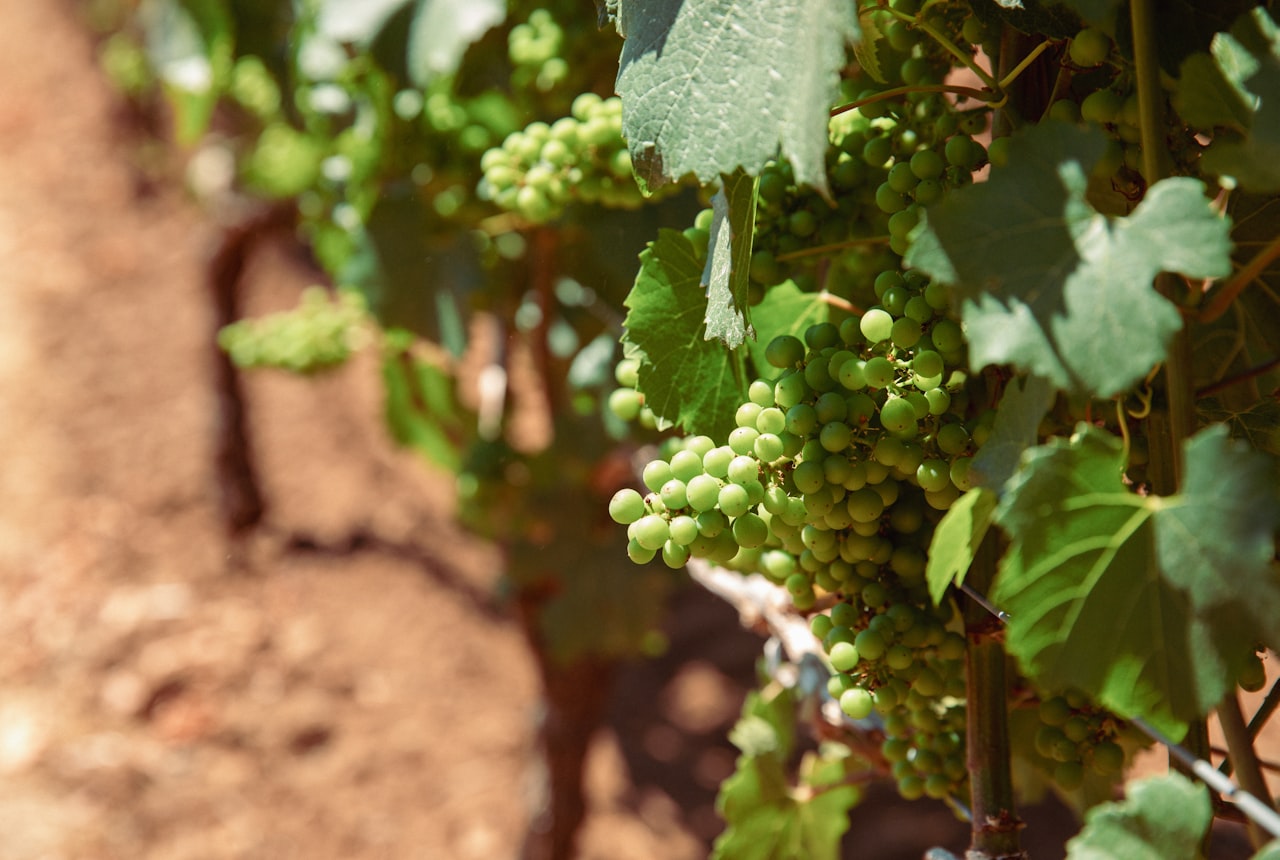
Argentine high-altitude Chardonnay leans toward the lean, precise and mineral end of the spectrum rather than the heavy, oaky style. Expect citrus and grapefruit, white flowers and honeysuckle, sometimes a note of almond or wet chalk from those limestone soils. The texture is taut and energetic, carried by bright acidity, with the best examples often compared to white Burgundy for their finesse. Some are made in a richer, partially oak-aged style with baked-pastry and nutmeg notes — but the wines making Argentina's name are the sharp, high-altitude ones.

There is a sparkling angle too: the same naturally high acidity makes Uco Valley Chardonnay (often with Pinot Noir) excellent raw material for traditional-method sparkling wine.
The styles
Up next, Chapter 3 of 4 Taste it where the air is thin. Read Chapter 3: Food pairings →

Understanding Argentine Wine (FAQ)

What makes Argentine Malbec so unique?

Argentina's high-altitude vineyards, particularly in Mendoza's Uco Valley, receive intense sunlight and experience dramatic temperature shifts between day and night. This slows grape ripening, resulting in rich flavors, balanced acidity, and smooth tannins.

How should I plan a wine tour in Mendoza?

We recommend booking tastings at least 2-3 months in advance, especially for prestigious wineries. Focus on one sub-region per day (like Luján de Cuyo or Uco Valley) to minimize travel time and enjoy a relaxed pace.

What are the best food pairings for Torrontés?

Torrontés, Argentina's signature white wine, is highly aromatic with floral notes. It pairs beautifully with spicy Asian cuisine, fresh seafood, and traditional Argentine empanadas (especially those containing corn or cheese).