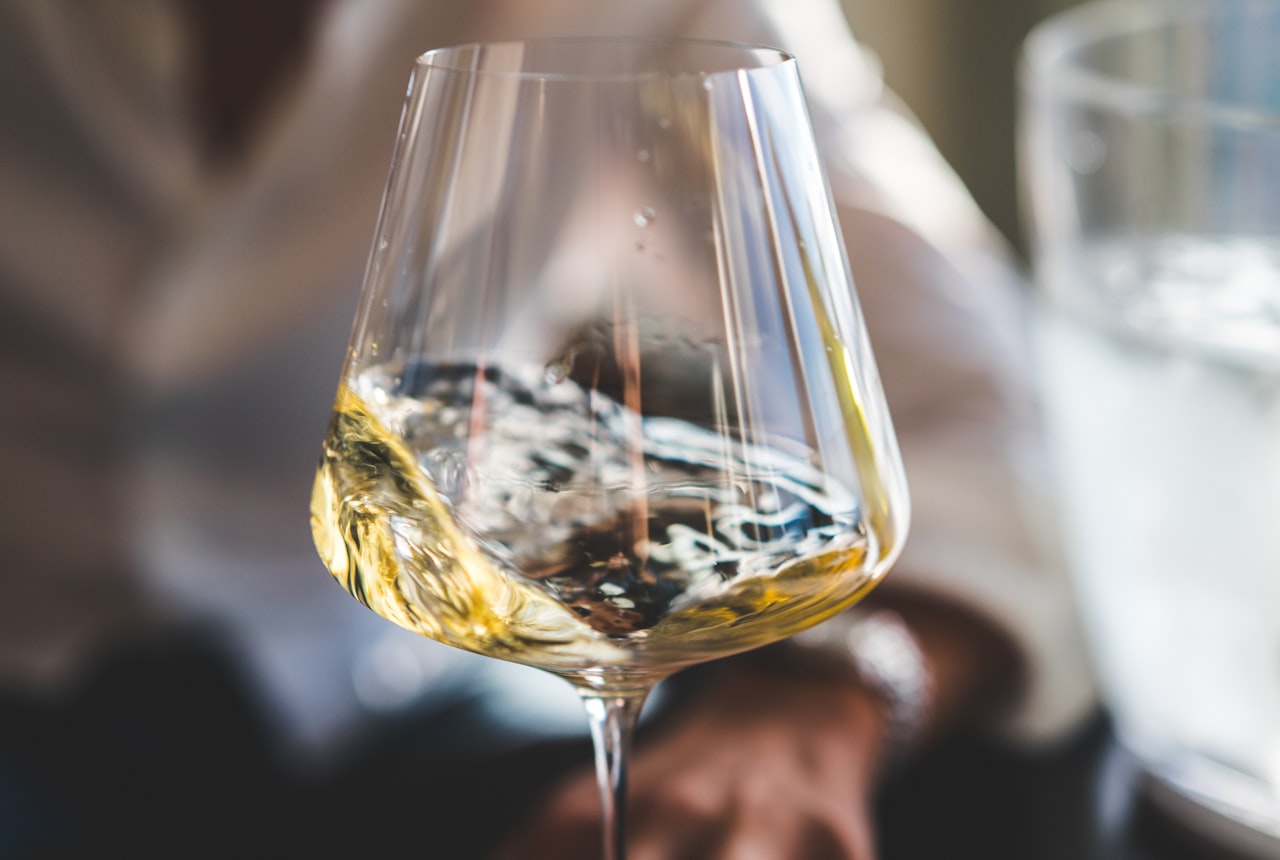
A hand holding a glass of red wine against a white tablecloth, light filtering through
Wine Craft — How to Enjoy It

How to taste wine: the sommelier method

See, swirl, smell, sip, savor — the real five-step method professionals use, explained without snobbery and with real examples from Argentine wines.

Argentina Through Wine  ·  8 min read  ·  June 2026

In one lineTasting wine is just five steps — see, swirl, smell, sip, savor — and once you do them on purpose, every bottle you’ve ever drunk starts making more sense.
A hand holding a wine glass against a white tablecloth, slightly tilted, light catching the rim
Two minutes. Five steps. Every bottle gets more interesting.

Most people taste wine the way most people listen to music — passively, in the background. The sommelier method isn’t snobby. It’s just a way of slowing down for two minutes so you actually notice what’s in your glass. Every wine pro you’ve ever met uses some version of this. Here it is, without ceremony.

Step 1 — See

Hold your glass by the stem, tilt it slightly over something white (napkin, tablecloth, a sheet of paper). Look down through the wine. Then hold it up to the light.

Five seconds. You’re checking three things:

  • Color — pale or deep? A young Malbec is almost inky purple; an older one fades to brick. A young Torrontés is pale lemon-gold; an older oxidized one turns amber.
  • Clarity — clear or cloudy? Cloudy can mean unfiltered (often a good sign in modern natural wines) or, occasionally, that something has gone wrong.
  • Intensity — how dense the color is at the centre versus the rim. Deep, opaque color in a red usually means thick-skinned grapes, ripe fruit, lots of structure ahead.

Step 2 — Swirl

Gently move the glass in a small circle. Keep the base on the table if you’ve never swirled before — it’s easier and less spill-prone. Once it feels natural, pick it up by the stem and swirl in the air.

Swirling does one job: it pushes oxygen into the wine. Wine aromas are locked in volatile compounds called esters; oxygen breaks them out of the liquid and into the air above the glass. You’re literally building a perfume cloud for yourself.

You’ll also see the legs (or “tears”) — the streaks running down the inside of the glass after the wine settles. Common myth: thick legs = better wine. Wrong. Legs tell you the wine has more alcohol or residual sugar. Information, not a quality grade.

A hand swirling a glass of red wine, the wine moving up the glass walls and forming legs on the inside
Three small circles. The aromas are about to do their work.

Step 3 — Smell

This is the step that changes everything. Around 80% of what you call “taste” is actually smell. Your tongue only detects five basic things (sweet, salty, sour, bitter, umami). Everything else — cherries, leather, vanilla, smoke, jasmine — comes through your nose.

Close-up of a person’s nose hovering above a wine glass, eyes closed, in soft warm light
Where the wine actually lives. Your tongue is just the messenger.

Two pro tips most people don’t know:

Short sniffs, not one long inhale. Your nose adapts in seconds — long inhales make you stop smelling. Three to four quick sniffs reveal far more than one big breath. Pause between sniffs.

Search in categories. Don’t try to name a specific fruit out of nowhere. Ask yourself in order:

  1. Fruit? Red fruit (cherry, raspberry), black fruit (blackberry, plum), citrus, tropical?
  2. Floral? Rose, violet, jasmine?
  3. Spice or herb? Pepper, cinnamon, mint, basil?
  4. Earthy? Tobacco, leather, forest floor, mushroom?
  5. Oak? Vanilla, coconut, smoke, chocolate? (See oak barrels for why.)

If you smell wet cardboard, musty basement or damp newspaper — the wine is corked (TCA contamination). It’s a flaw, the wine is faulty, send it back at a restaurant. Affects roughly 3–5% of cork-sealed bottles.

Step 4 — Sip

Take a proper mouthful, not a tiny sip. The wine needs to coat your entire mouth — under the tongue, the gums, the roof — to give you the full picture.

Hold it in your mouth for 5–10 seconds. Move it around. Some sommeliers pull a little air in through pursed lips while the wine is in the mouth — it amplifies aroma further (it sounds slurpy; everyone does it; nobody minds).

You’re now checking five things, in order:

  1. Sweetness. Bone dry, off-dry, sweet? (Most Argentine wines are dry.)
  2. Acidity. Does your mouth water at the sides? That’s acidity. High acidity = fresh and lively; low = soft and round.
  3. Tannin (reds only). That drying, gripping feeling on your gums and tongue? Tannins. Soft and ripe, or harsh and gripping?
  4. Body. Light like skim milk, medium like whole milk, full like cream? That’s body. Mostly driven by alcohol and concentration.
  5. Flavor. Now match what you tasted to what you smelled. Often the flavors confirm the aromas; sometimes new ones appear.

The four together = the structure of the wine. Great wine has all four in balance. Bad wine has one element dominating the rest.

Step 5 — Savor

Swallow. Then wait. Don’t reach for the next sip yet.

What you’re paying attention to now is the finish — the flavor that lingers after the wine is gone. Three things to notice:

  • Length. Do flavors disappear in 2 seconds (short finish), 10 seconds (medium), or do they unfold for 30+ seconds (long)? Length of finish is one of the cleanest indicators of wine quality.
  • Evolution. Do new flavors appear after swallowing? Great wines change as the finish unfolds — fruit might fade to spice, or wood, or chocolate.
  • Cleanliness. Is the aftertaste pleasant, or does it leave you with something hot, harsh or bitter?

Savoring is the step most people skip. It’s the most important. Great wine writes a sentence in your mouth; the finish is the punctuation.

Putting it together: how to actually judge a wine

Once you’ve done the five S’s, ask yourself one question:

Is it balanced?

Balance means: fruit, acidity, tannin (in reds), alcohol, oak — none of them sticks out and overpowers the others. A wine where the oak hits you first, or the alcohol burns, or the acid is sharp, is unbalanced.

That’s it. That’s the secret. You don’t need to identify “Damson plum, white pepper, Provençal lavender” — pros do that, but it’s the second-mile skill. The first mile is balance.

QualityBad wineGood wineGreat wine
BalanceOne thing dominatesElements in harmonyHarmony you remember
ComplexityOne or two aromasThree to five layersMany layers that evolve
FinishShort or unpleasantMedium, cleanLong, evolving, lingering
TypicityTastes genericTastes like its grapeTastes like its place

Tasting Argentine wines: what to look for specifically

The five steps are universal — but Argentine wines have a few signatures worth listening for.

Malbec — you should see deep purple-to-black; smell black plum, blackberry, violet, often a hint of mocha or vanilla from oak; taste medium-to-full body with soft, plush tannins and ripe fruit. Mendoza ones from the Uco Valley are slightly fresher and more floral; from Luján de Cuyo, more plush.

Torrontés — pale lemon-gold; the smell does the work — jasmine, orange blossom, peach. The trick: the wine is dry on the palate even though it smells sweet. That contrast is its signature.

Cabernet Franc — deeper than Pinot but lighter than Cab Sauv; smell for graphite, herb (basil, bell pepper), red plum, violet. Argentina’s Uco Valley examples are some of the most exciting in the world right now.

Tannat — almost black; smell of dark berry, leather, sometimes mint; firm, grippy tannins that need fatty food to soften. (See Tannat.)

For the full picture across grapes, see our beginner’s guide.

Browse our Argentina wine tours

Common Questions

Quick answers

What are the five S’s of wine tasting?

See, Swirl, Smell, Sip and Savor. Look at the wine first, swirl it to release aromas, smell it in short sniffs, take a proper mouthful and move it around your mouth, then swallow and notice the finish. Every wine professional uses some version of this method.

Do you really taste wine with your nose?

Largely, yes. Around 80% of what you perceive as “taste” actually comes from smell, not the tongue. Your taste buds only detect five basic sensations (sweet, salty, sour, bitter, umami). Everything else — cherry, leather, smoke, vanilla — reaches you through the back of your nose. That’s why smelling the wine matters more than sipping.

What do the “legs” on a wine glass mean?

The streaks that run down the inside of the glass after swirling are called legs or tears. They indicate higher alcohol or residual sugar in the wine — not quality. Thick legs don’t mean a better wine, just a more alcoholic or sweeter one.

How do you know if a wine is faulty?

The most common fault is cork taint (TCA), which makes the wine smell of wet cardboard, damp basement or musty newspaper. Other faults include a sharp vinegar-like smell (oxidation) or a struck-match smell (sulfur). Trust your nose — if the wine smells unpleasant or “off,” it likely is. At a restaurant, you can ask the sommelier to replace it.

What is the “finish” of a wine?

The finish is the flavor that lingers after you swallow. Three things matter: how long it lasts (short = under 5 seconds, long = 30+), whether new flavors appear, and whether the aftertaste is clean and pleasant. Length and evolution of the finish are among the cleanest indicators of wine quality.