Step 4 of 5

Sip

A proper mouthful — not a tiny sip. Move the wine around. Coat the entire mouth, hold for 5–10 seconds. Some sommeliers pull a little air in through pursed lips while the wine is in the mouth — it amplifies aroma even more.

You're checking five things, in order: sweetness (most Argentine wines are dry), acidity (mouth-watering at the sides), tannin for reds (drying, gripping feeling), body (light, medium, full), and flavor (confirming what you smelled).

The four together = the structure of the wine. Great wine has all four in balance.
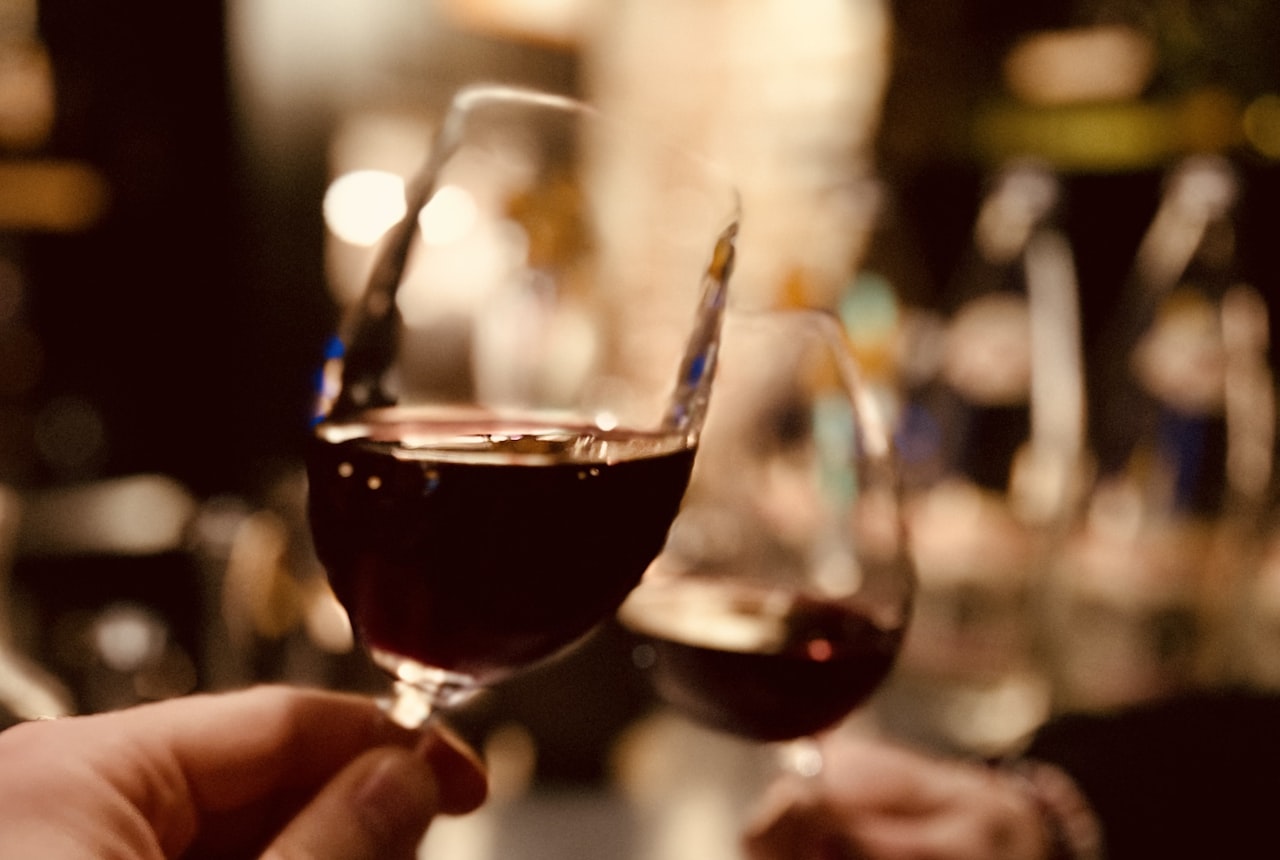
A small sip of red wine being held in someone's mouth, dramatic profile photo against dark background
The mouth tells you the structure. The nose told you the story.

Understanding Argentine Wine (FAQ)

What makes Argentine Malbec so unique?

Argentina's high-altitude vineyards, particularly in Mendoza's Uco Valley, receive intense sunlight and experience dramatic temperature shifts between day and night. This slows grape ripening, resulting in rich flavors, balanced acidity, and smooth tannins.

How should I plan a wine tour in Mendoza?

We recommend booking tastings at least 2-3 months in advance, especially for prestigious wineries. Focus on one sub-region per day (like Luján de Cuyo or Uco Valley) to minimize travel time and enjoy a relaxed pace.

What are the best food pairings for Torrontés?

Torrontés, Argentina's signature white wine, is highly aromatic with floral notes. It pairs beautifully with spicy Asian cuisine, fresh seafood, and traditional Argentine empanadas (especially those containing corn or cheese).