How to taste wine: the sommelier method
See, swirl, smell, sip, savor — the real five-step method professionals use, without the snobbery, with Argentine examples.
See, swirl, smell, sip, savor — the real five-step method professionals use, without the snobbery, with Argentine examples.
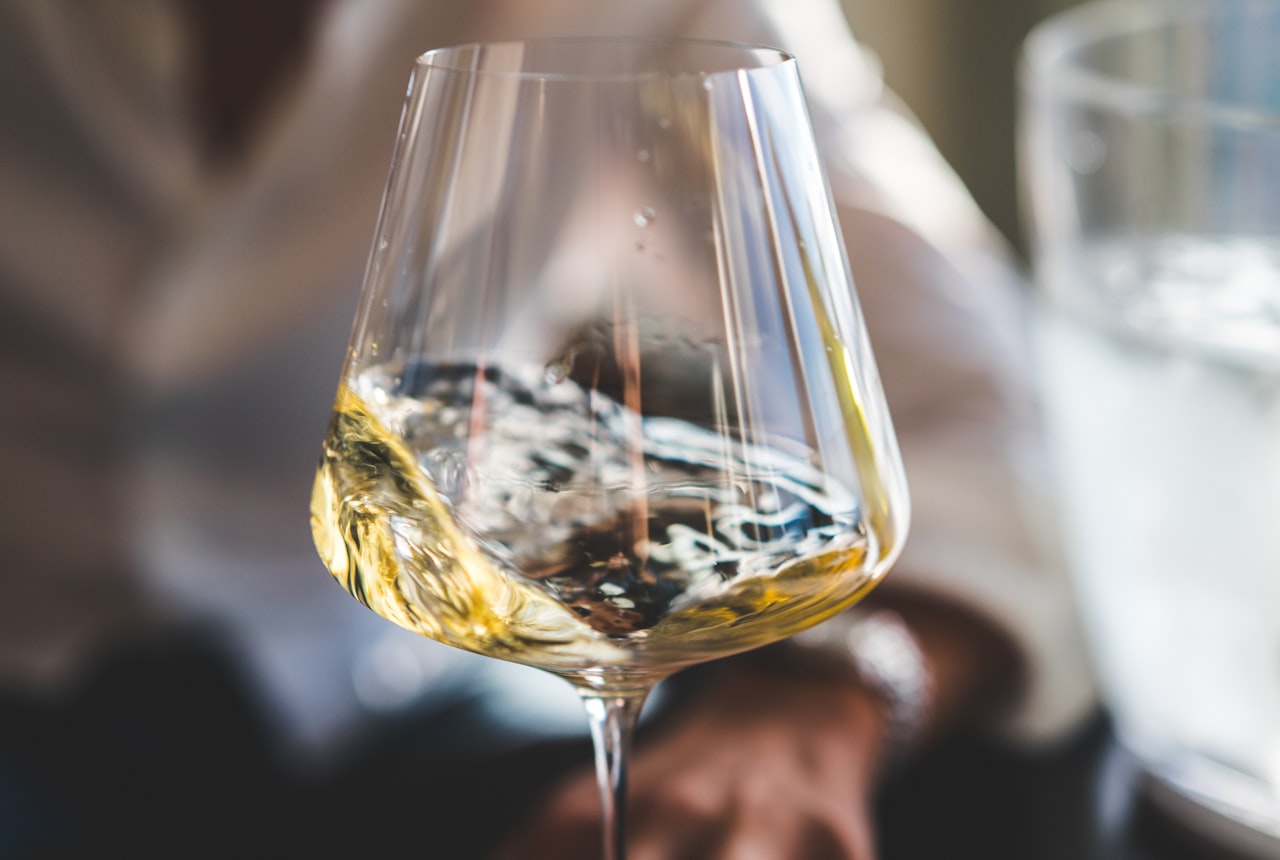
Los 5 capítulos
01See
Hold by the stem, tilt over something white.
Leer el capítulo 1 →Swirl
One simple motion, big payoff.
Leer el capítulo 2 →Smell
80% of “taste” happens here.
Leer el capítulo 3 →Sip
A proper mouthful — not a tiny sip.
Leer el capítulo 4 →Savor
Swallow, then wait.
Leer el capítulo 5 →Respuestas rápidas
What are the five S's of wine tasting?
See, Swirl, Smell, Sip and Savor. Look at the wine first, swirl to release aromas, smell in short sniffs, take a proper mouthful and move it around, then swallow and notice the finish. Every wine professional uses some version of this method.
Do you really taste wine with your nose?
Largely, yes. Around 80% of what you call "taste" comes from smell, not the tongue. Your taste buds detect only five basic sensations (sweet, salty, sour, bitter, umami). Everything else — cherry, leather, smoke, vanilla — reaches you through the nose.
What do the "legs" on a wine glass mean?
They indicate higher alcohol or residual sugar in the wine — not quality. Thick legs don't mean better wine, just more alcoholic or sweeter.
How do you know if a wine is faulty?
The most common fault is cork taint (TCA), which smells of wet cardboard, damp basement or musty newspaper. Trust your nose. If a wine smells unpleasant, it likely is — at a restaurant, ask for a replacement.
What is the "finish" of a wine?
The flavor that lingers after swallowing. Three things matter: how long it lasts (short under 5 seconds, long over 30), whether new flavors appear, and whether the aftertaste is clean. Length and evolution of the finish are among the cleanest indicators of wine quality.