Step 3 of 5

Smell

80% of “taste” happens here. Your tongue only detects five basic things (sweet, salty, sour, bitter, umami). Everything else — cherries, leather, vanilla, jasmine — comes through your nose.

Short sniffs work better. Your nose adapts in seconds; long inhales kill the signal. Three to four quick sniffs, with a pause between, reveal far more.

Search in categories. Fruit? (cherry, plum, citrus) Floral? (rose, violet) Spice or herb? (pepper, cinnamon, mint) Earthy? (tobacco, leather, mushroom) Oak? (vanilla, coconut, smoke).
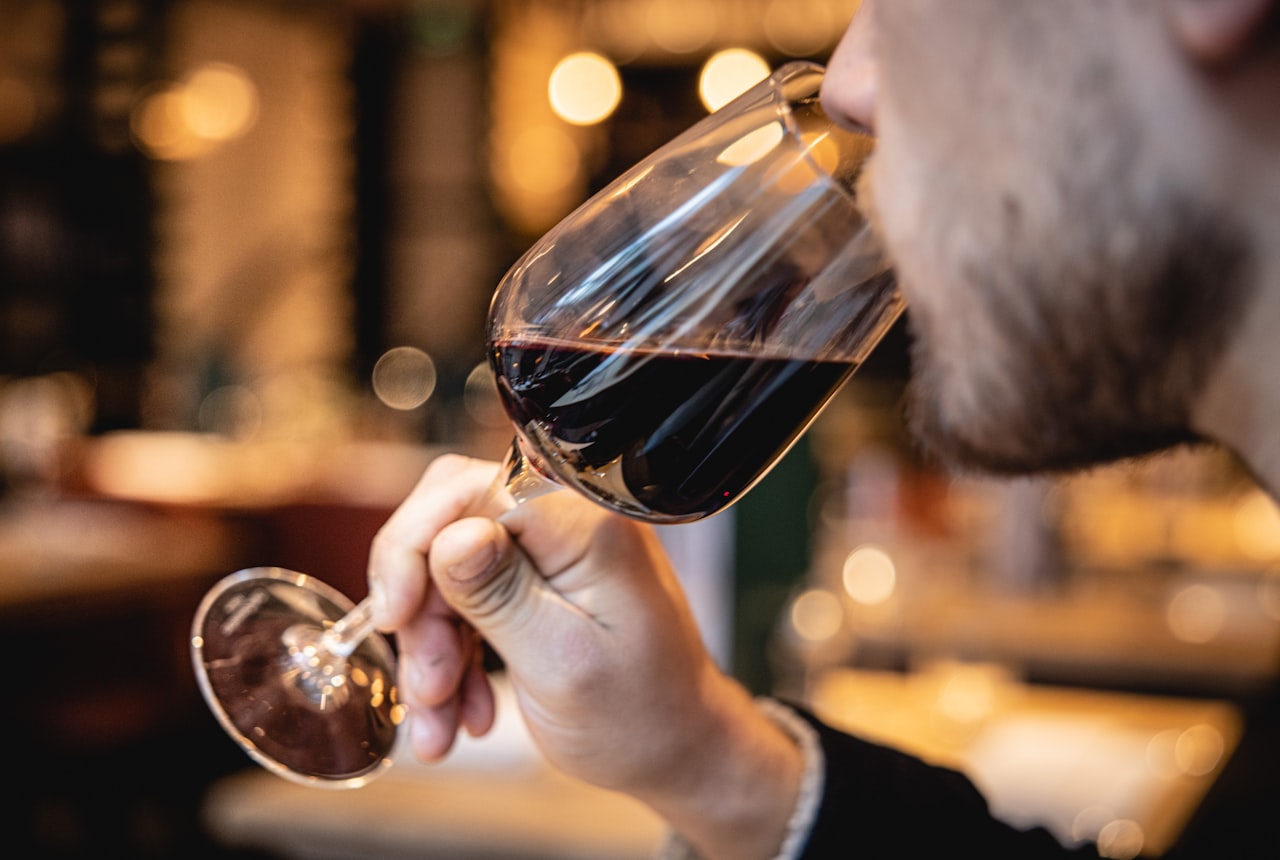
Close-up of a person's nose hovering above a wine glass, eyes closed, soft warm light
The wine actually lives here. Your tongue is just the messenger.

Understanding Argentine Wine (FAQ)

What makes Argentine Malbec so unique?

Argentina's high-altitude vineyards, particularly in Mendoza's Uco Valley, receive intense sunlight and experience dramatic temperature shifts between day and night. This slows grape ripening, resulting in rich flavors, balanced acidity, and smooth tannins.

How should I plan a wine tour in Mendoza?

We recommend booking tastings at least 2-3 months in advance, especially for prestigious wineries. Focus on one sub-region per day (like Luján de Cuyo or Uco Valley) to minimize travel time and enjoy a relaxed pace.

What are the best food pairings for Torrontés?

Torrontés, Argentina's signature white wine, is highly aromatic with floral notes. It pairs beautifully with spicy Asian cuisine, fresh seafood, and traditional Argentine empanadas (especially those containing corn or cheese).