El embotellado
Para la mayoría de los vinos, este es el final del proceso. Para los espumantes, es apenas el comienzo. El vino se filtra ligeramente, a veces se clarifica con agentes naturales para asegurar su brillo, y se embotella herméticamente.
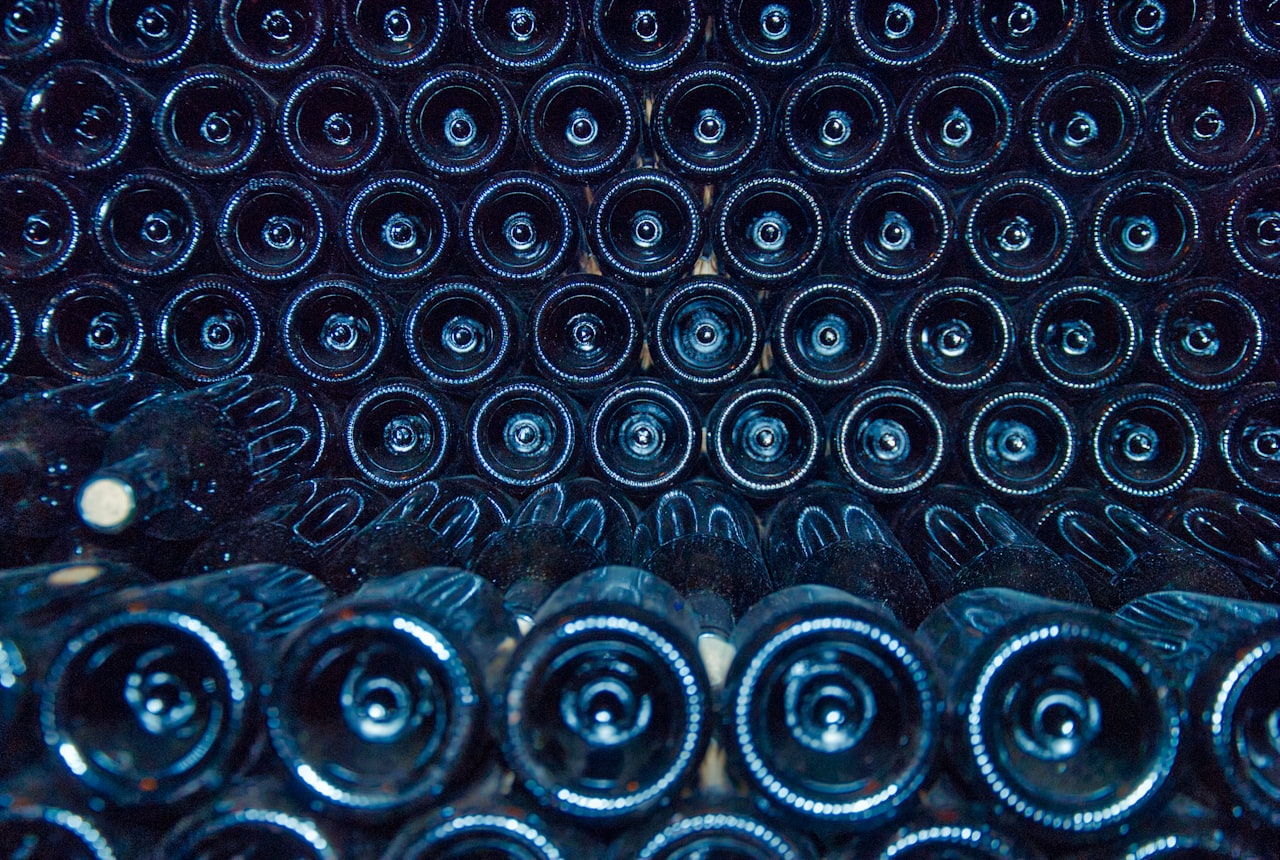
El vino espumoso sigue sus propias reglas. Tras elaborar el vino base, se realiza una segunda fermentación dentro de la misma botella — se añade levadura y una pequeña dosis de azúcar licor de tiraje, sellando el envase para atrapar el CO₂. Así nacen las finas burbujas naturales.
Este es el método tradicional (champenoise), y los mejores elaboradores de espumantes en Argentina lo emplean con gran maestría, principalmente en las alturas frescas del Valle de Uco.
El sello de identidad argentino
La altitud logra lo que ningún otro país puede replicar. Los viñedos argentinos se sitúan entre los 800 y más de 3.000 metros sobre el nivel del mar — más altos que casi cualquier otra región vitivinícola del planeta.
La radiación ultravioleta de altura estimula a la uva a engrosar su piel antes de llegar a bodega: más color violáceo, más polifenoles y taninos más sedosos. El fruto ya llega dotado de una concentración única antes de que el enólogo intervenga.
Además, la vitivinicultura argentina evoluciona hacia recipientes neutros como piletas de hormigón y foudres de roble sin tostar, permitiendo que la pureza del terruño de montaña brille sin excesos de madera.