Chapter 1 of 4

Tannat in Argentina

From France to South America

Tannat comes originally from Madiran, in southwest France, where it makes famously tough, age-worthy reds. Its great second act, though, was in South America: Basque settlers carried it across the Atlantic in the 19th century — a journey strikingly similar to Malbec's — and it took root above all in Uruguay, which adopted it as its national flagship grape. Argentina got it too, and quietly found a niche where it does something neither France nor Uruguay can quite replicate.

Tiny, but punching above its weight

Tannat is a genuine rarity in Argentina — it accounts for less than 1% of the country's red grapes, a sliver next to the oceans of Malbec. But the small plantings it does have are concentrated in exactly the right place, and the wines they make have earned serious critical respect. This is a connoisseur's grape: little-known, hard to find, and beloved by those who do.
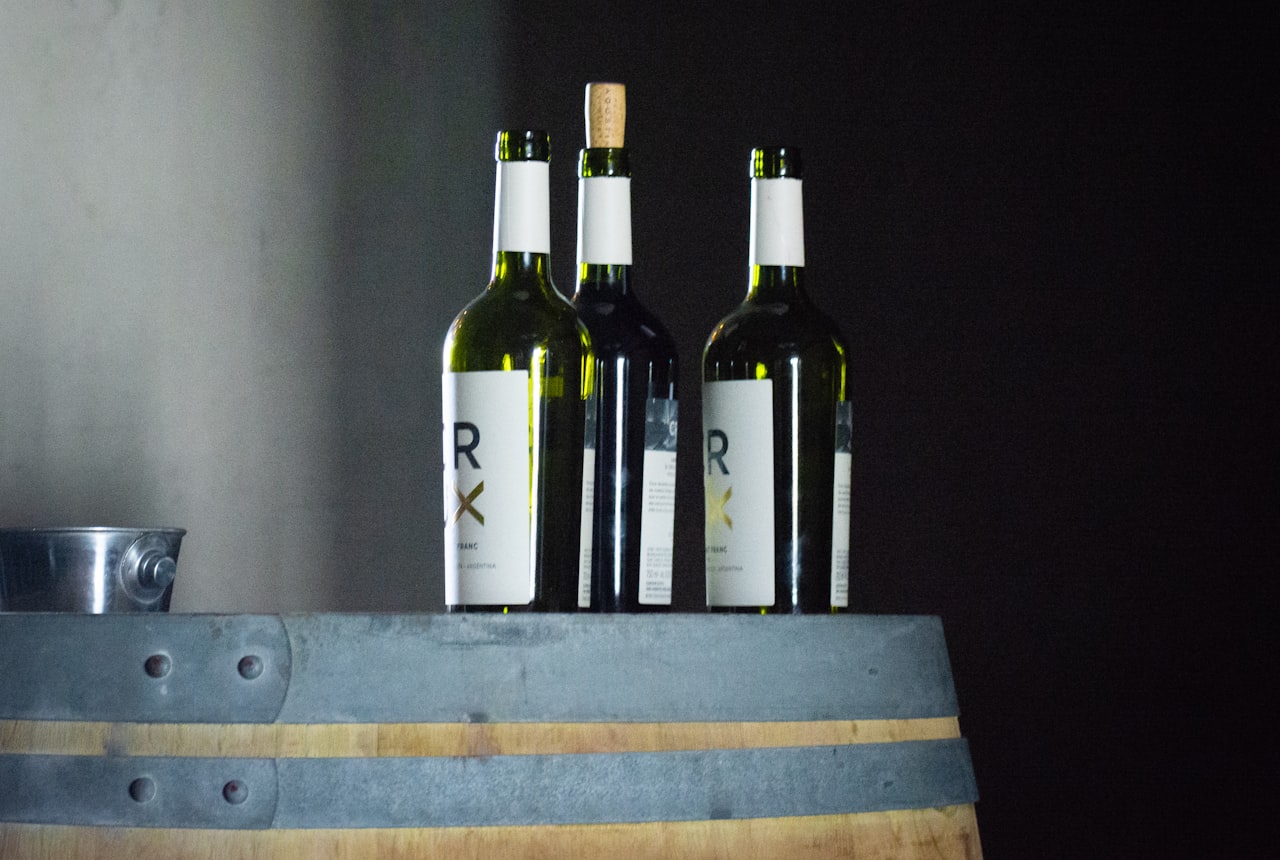
Tannat in Argentina
Up next, Chapter 2 of 4 Argentine Tannat is dark intensely so, ruby-to-black with violet edges. Read Chapter 2: The tannic character →

Understanding Argentine Wine (FAQ)

What makes Argentine Malbec so unique?

Argentina's high-altitude vineyards, particularly in Mendoza's Uco Valley, receive intense sunlight and experience dramatic temperature shifts between day and night. This slows grape ripening, resulting in rich flavors, balanced acidity, and smooth tannins.

How should I plan a wine tour in Mendoza?

We recommend booking tastings at least 2-3 months in advance, especially for prestigious wineries. Focus on one sub-region per day (like Luján de Cuyo or Uco Valley) to minimize travel time and enjoy a relaxed pace.

What are the best food pairings for Torrontés?

Torrontés, Argentina's signature white wine, is highly aromatic with floral notes. It pairs beautifully with spicy Asian cuisine, fresh seafood, and traditional Argentine empanadas (especially those containing corn or cheese).