Chapter 2 of 4

The tannic character

Argentine Tannat is dark — intensely so, ruby-to-black with violet edges. The nose is all brooding dark fruit: blackberry, black fig, huckleberry and plum, often with savory, almost rustic notes of eucalyptus, menthol and spice, and (from oak ageing) chocolate, mocha and vanilla. There is frequently a distinctly Argentine flicker of dulce de leche sweetness to the fruit. On the palate it is full-bodied and structured, but the best high-altitude examples carry their power with ripe, smooth, even velvety tannins and a long, balanced finish. It is a wine that rewards a little patience — and ages beautifully.
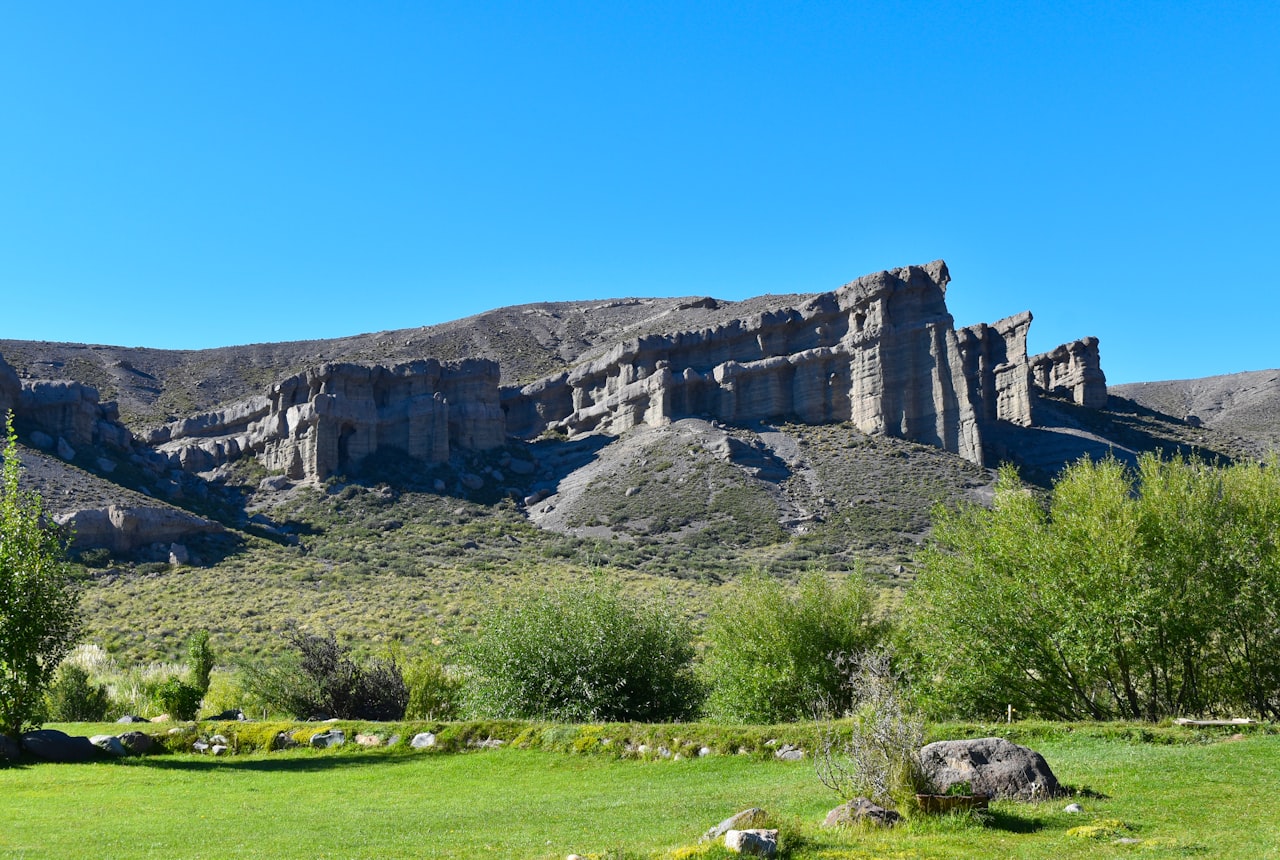
The tannic character
Up next, Chapter 3 of 4 Tannat is a meat wine, full stop. Read Chapter 3: Pairings (asado!) →

Understanding Argentine Wine (FAQ)

What makes Argentine Malbec so unique?

Argentina's high-altitude vineyards, particularly in Mendoza's Uco Valley, receive intense sunlight and experience dramatic temperature shifts between day and night. This slows grape ripening, resulting in rich flavors, balanced acidity, and smooth tannins.

How should I plan a wine tour in Mendoza?

We recommend booking tastings at least 2-3 months in advance, especially for prestigious wineries. Focus on one sub-region per day (like Luján de Cuyo or Uco Valley) to minimize travel time and enjoy a relaxed pace.

What are the best food pairings for Torrontés?

Torrontés, Argentina's signature white wine, is highly aromatic with floral notes. It pairs beautifully with spicy Asian cuisine, fresh seafood, and traditional Argentine empanadas (especially those containing corn or cheese).