Chapter 1 of 4

Tannat in Argentina

From France to South America

Tannat comes originally from Madiran, in southwest France, where it makes famously tough, age-worthy reds. Its great second act, though, was in South America: Basque settlers carried it across the Atlantic in the 19th century — a journey strikingly similar to Malbec's — and it took root above all in Uruguay, which adopted it as its national flagship grape. Argentina got it too, and quietly found a niche where it does something neither France nor Uruguay can quite replicate.

Tiny, but punching above its weight

Tannat is a genuine rarity in Argentina — it accounts for less than 1% of the country's red grapes, a sliver next to the oceans of Malbec. But the small plantings it does have are concentrated in exactly the right place, and the wines they make have earned serious critical respect. This is a connoisseur's grape: little-known, hard to find, and beloved by those who do.
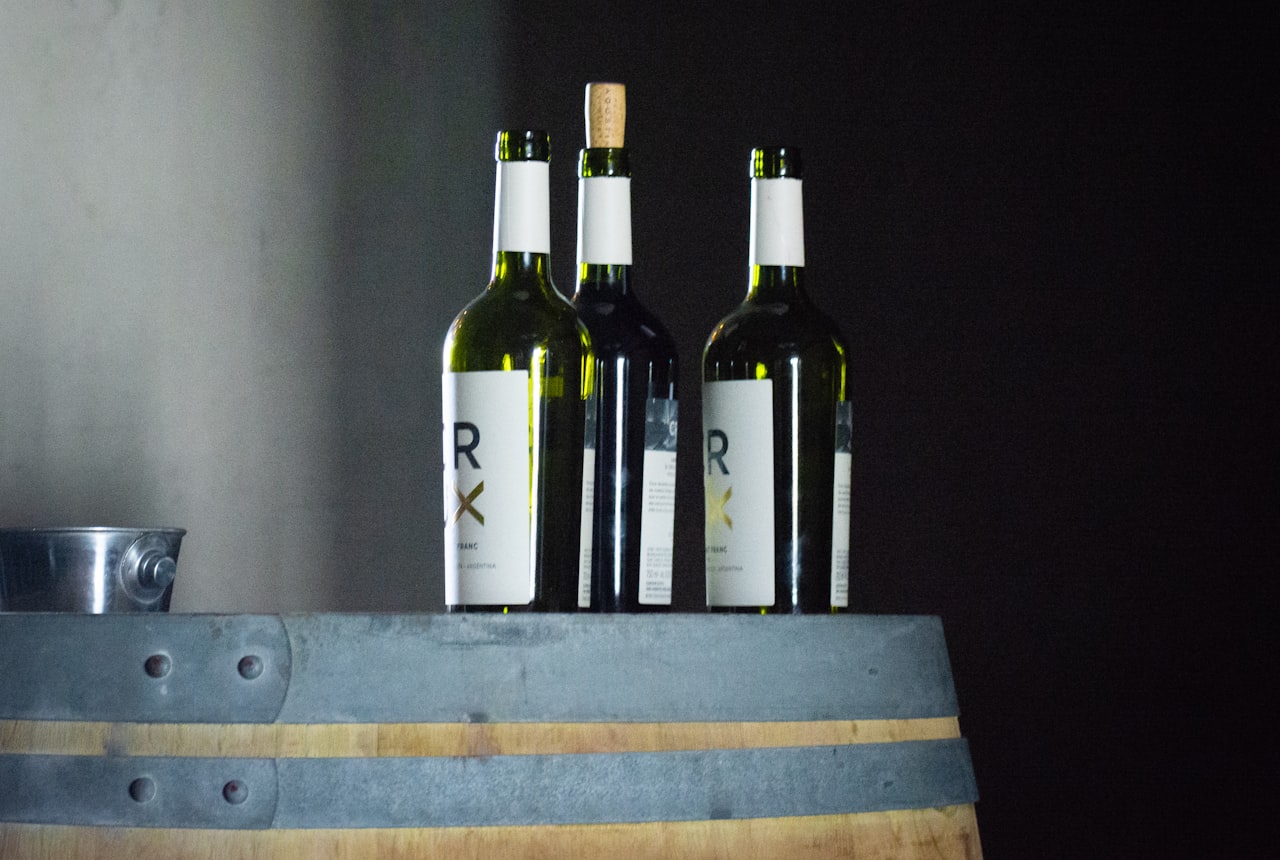
Tannat in Argentina
Up next, Chapter 2 of 4 Argentine Tannat is dark intensely so, ruby-to-black with violet edges. Read Chapter 2: The tannic character →

Preguntas Frecuentes sobre el Vino Argentino (FAQ)

¿Qué hace que el Malbec argentino sea tan único?

Los viñedos de gran altitud en Argentina, especialmente en el Valle de Uco en Mendoza, reciben una luz solar intensa y experimentan una gran amplitud térmica. Esto ralentiza la maduración de las uvas, logrando sabores intensos, acidez equilibrada y taninos sedosos.

¿Cómo planificar un tour del vino en Mendoza?

Recomendamos reservar las degustaciones con al menos 2 o 3 meses de anticipación. Concéntrese en una sola subregión por día (como Luján de Cuyo o el Valle de Uco) para reducir los tiempos de traslado y disfrutar al máximo.

¿Cuáles son los mejores maridajes para el Torrontés?

El Torrontés, la uva blanca emblemática de Argentina, es muy aromático y floral. Combina a la perfección con comida asiática picante, mariscos frescos y las tradicionales empanadas salteñas.