Chapter 1 of 4

Sauvignon in Argentina

A global classic, briefly

Sauvignon Blanc hails from France — Bordeaux and the Loire Valley — and conquered the world from there, most famously by way of New Zealand's punchy, tropical style. Its signature is unmistakable: high acidity and aromatics that run from citrus and green apple to grass, herbs and green pepper, sometimes tropical passionfruit. It is rarely oaked, usually made to be drunk young and fresh, and it is one of the most food-friendly whites there is. (Incidentally, it is also one half of Cabernet Sauvignon's parentage — crossed with Cabernet Franc — a nice thread back through these guides.)

A small but rising white

Sauvignon Blanc is not a major grape by Argentine acreage — like most of the country's whites it lives in the long shadow of red. But it has carved out a clear and growing niche as one of the key white varieties of the high Uco Valley, planted right alongside the more famous Chardonnay. As Argentina's white-wine revolution gathers pace, Sauvignon Blanc is one of its quiet beneficiaries.
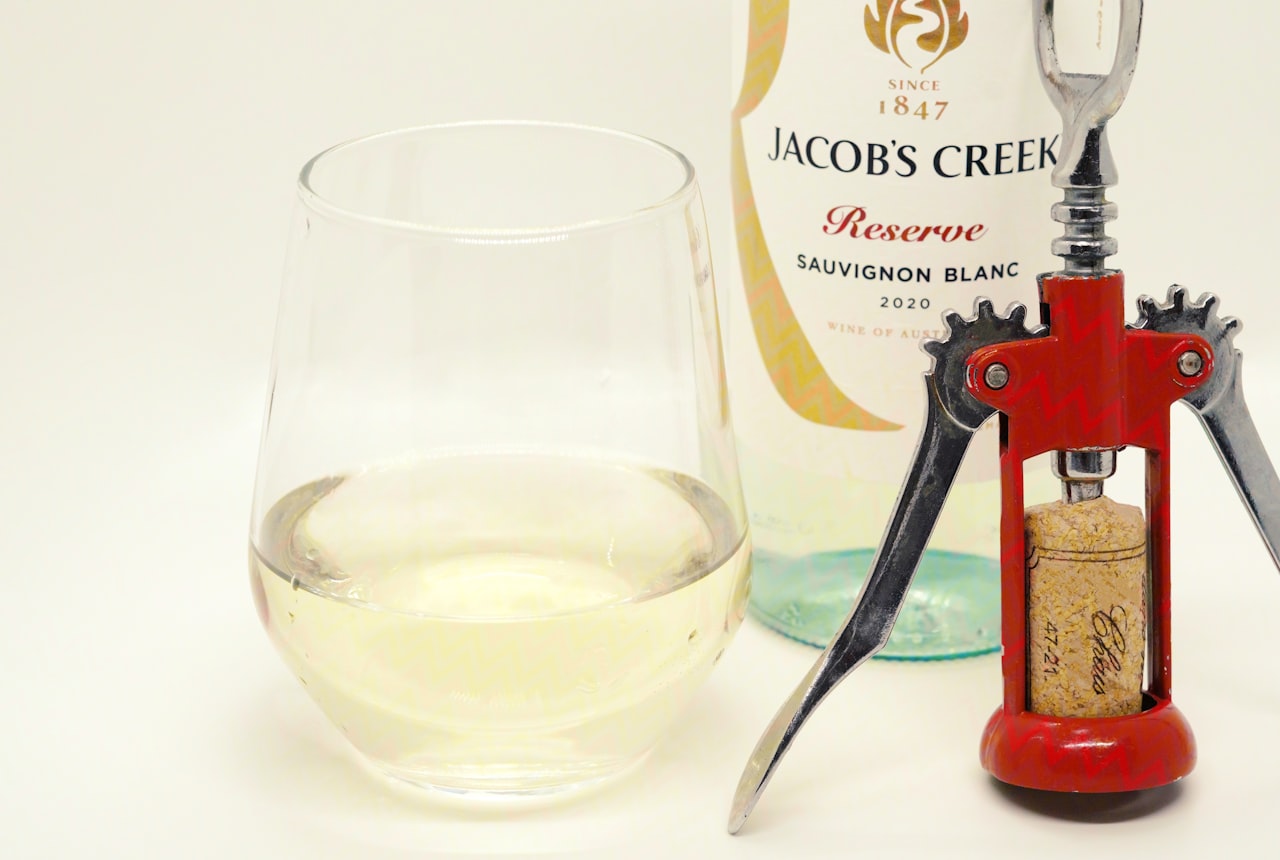
Sauvignon in Argentina
Up next, Chapter 2 of 4 The home of Argentine Sauvignon Blanc is the Uco Valley in Mendoza, especially the high Tupungato district, with vineyards between roughly… Read Chapter 2: The altitude effect →

Understanding Argentine Wine (FAQ)

What makes Argentine Malbec so unique?

Argentina's high-altitude vineyards, particularly in Mendoza's Uco Valley, receive intense sunlight and experience dramatic temperature shifts between day and night. This slows grape ripening, resulting in rich flavors, balanced acidity, and smooth tannins.

How should I plan a wine tour in Mendoza?

We recommend booking tastings at least 2-3 months in advance, especially for prestigious wineries. Focus on one sub-region per day (like Luján de Cuyo or Uco Valley) to minimize travel time and enjoy a relaxed pace.

What are the best food pairings for Torrontés?

Torrontés, Argentina's signature white wine, is highly aromatic with floral notes. It pairs beautifully with spicy Asian cuisine, fresh seafood, and traditional Argentine empanadas (especially those containing corn or cheese).