Chapter 1 of 4

Sauvignon in Argentina

A global classic, briefly

Sauvignon Blanc hails from France — Bordeaux and the Loire Valley — and conquered the world from there, most famously by way of New Zealand's punchy, tropical style. Its signature is unmistakable: high acidity and aromatics that run from citrus and green apple to grass, herbs and green pepper, sometimes tropical passionfruit. It is rarely oaked, usually made to be drunk young and fresh, and it is one of the most food-friendly whites there is. (Incidentally, it is also one half of Cabernet Sauvignon's parentage — crossed with Cabernet Franc — a nice thread back through these guides.)

A small but rising white

Sauvignon Blanc is not a major grape by Argentine acreage — like most of the country's whites it lives in the long shadow of red. But it has carved out a clear and growing niche as one of the key white varieties of the high Uco Valley, planted right alongside the more famous Chardonnay. As Argentina's white-wine revolution gathers pace, Sauvignon Blanc is one of its quiet beneficiaries.
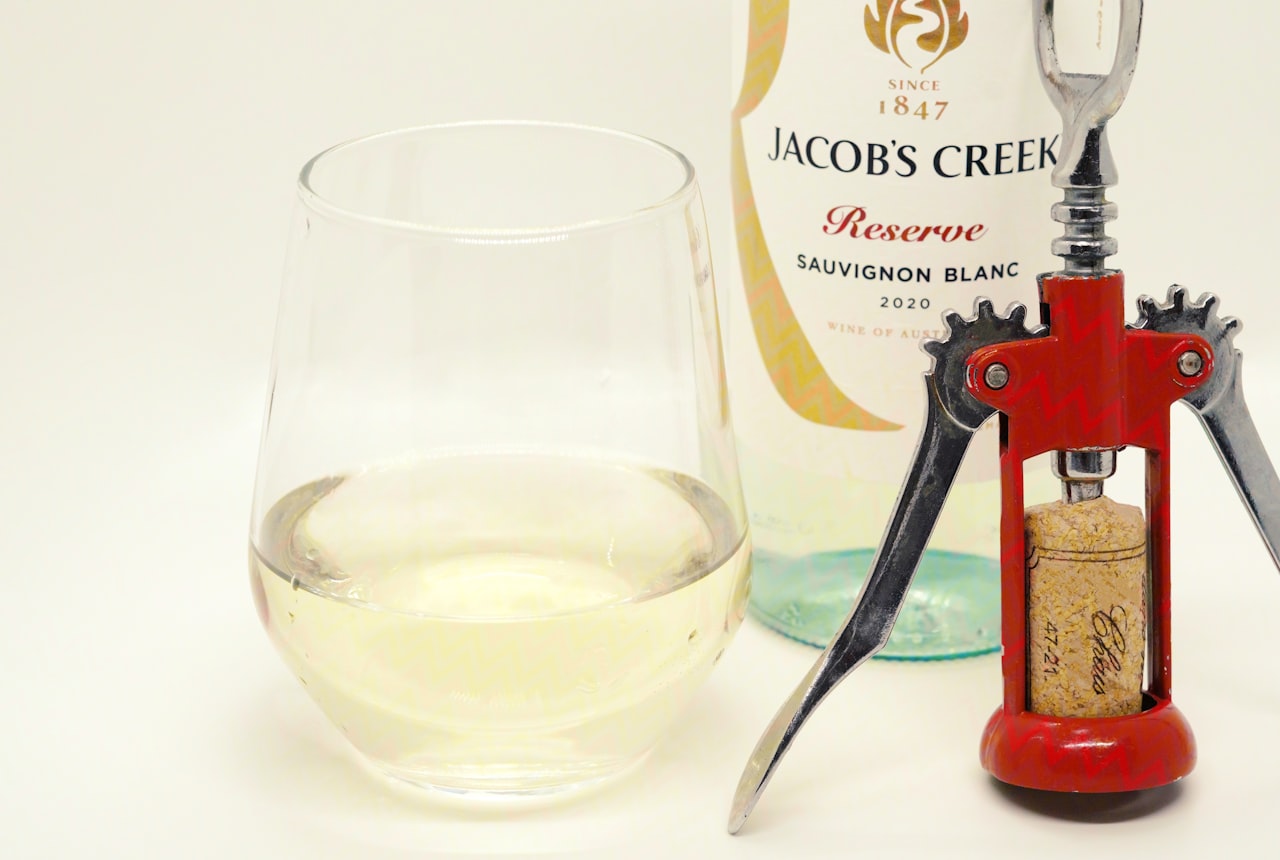
Sauvignon in Argentina
Up next, Chapter 2 of 4 The home of Argentine Sauvignon Blanc is the Uco Valley in Mendoza, especially the high Tupungato district, with vineyards between roughly… Read Chapter 2: The altitude effect →

Preguntas Frecuentes sobre el Vino Argentino (FAQ)

¿Qué hace que el Malbec argentino sea tan único?

Los viñedos de gran altitud en Argentina, especialmente en el Valle de Uco en Mendoza, reciben una luz solar intensa y experimentan una gran amplitud térmica. Esto ralentiza la maduración de las uvas, logrando sabores intensos, acidez equilibrada y taninos sedosos.

¿Cómo planificar un tour del vino en Mendoza?

Recomendamos reservar las degustaciones con al menos 2 o 3 meses de anticipación. Concéntrese en una sola subregión por día (como Luján de Cuyo o el Valle de Uco) para reducir los tiempos de traslado y disfrutar al máximo.

¿Cuáles son los mejores maridajes para el Torrontés?

El Torrontés, la uva blanca emblemática de Argentina, es muy aromático y floral. Combina a la perfección con comida asiática picante, mariscos frescos y las tradicionales empanadas salteñas.