Cabernet Sauvignon: el socio más sobrio del Malbec
La tercera uva más plantada de Argentina — el tinto estructurado y disciplinado que forja los vinos más longevos y ambiciosos del país. Si el Malbec es el corazón, el Cabernet es la columna vertebral.
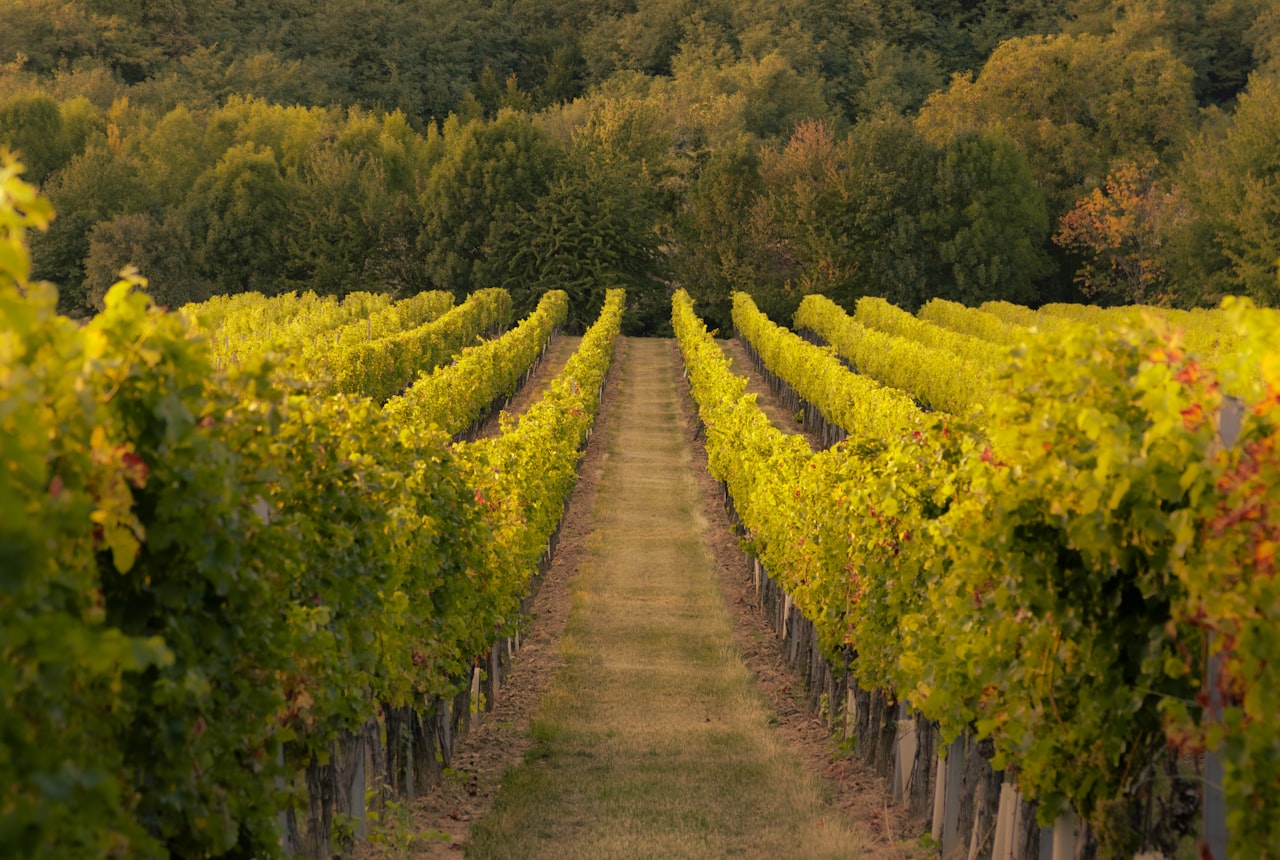
There is a quiet argument at the heart of Argentine fine wine, and it goes like this: Malbec made the country famous, but Cabernet Sauvignon may be what makes it taken seriously. For decades Cabernet here played second fiddle — the structured, disciplined grape that lent backbone to Malbec's exuberance. Today it is both Argentina's third most planted variety and the engine room of its most ambitious, age-worthy reds. If Malbec is the heart, Cabernet Sauvignon is the spine.
Qué encontrarás
01Argentine Cabernet
The world's most famous red, at the foot of the Andes Cabernet Sauvignon is the most widely planted wine grape on the planet, the…
Leer el capítulo 1 →How it differs
Cabernet Sauvignon is built for the grill, and Argentina knows what to do with that.
Leer el capítulo 2 →Tasting
Taste it at the source.
Leer el capítulo 3 →Food pairings
This is where Cabernet earns its keep.
Leer el capítulo 4 →Respuestas rápidas
Is Cabernet Sauvignon big in Argentina?
Yes — it is Argentina's third most planted grape variety, with roughly 13,000–15,000 hectares under vine. While Malbec is far larger, Cabernet is one of the country's most important grapes and central to its top red blends.
Where is Cabernet Sauvignon grown in Argentina?
Mostly in Mendoza, especially the foothill districts of Luján de Cuyo (including Agrelo, Vistalba and Las Compuertas) and Maipú, at altitudes broadly between 700 and 1,100 meters. Cooler, higher sites give more savory styles; warmer, lower ones give plusher wines.
What does Argentine Cabernet Sauvignon taste like?
Expect dark fruit such as blackcurrant, cassis and plum, with cedar, tobacco and spice from oak, and often a graphite or earthy note. It is typically full-bodied and structured, with firm tannins and good ageing potential.
What is the difference between Cabernet Sauvignon and Malbec?
Cabernet is more structured and tannic, with blackcurrant and cedar notes and strong ageing potential, while Malbec is plusher and more fruit-forward. The two are often blended, with Cabernet adding backbone to Malbec's generous fruit.
What food pairs with Argentine Cabernet Sauvignon?
It is excellent with red meat — grilled grass-fed beef, lamb and Argentine asado — as well as aged hard cheeses. Its firm tannins handle fat and char particularly well.