Step 2 of 5

The Bordeaux glass

Tall. Slightly narrower bowl. Higher rim. Designed for structured, tannic reds — the kind of wine that needs the air, but not too much.

The height puts distance between your nose and the wine, letting alcohol vapor dissipate. The narrower top directs wine to the back of your palate, where you taste structure and richness rather than tartness.

This is why heavy, tannic reds feel balanced in a Bordeaux glass and harsh in the wrong one. Almost every serious Argentine Malbec is built for this shape.
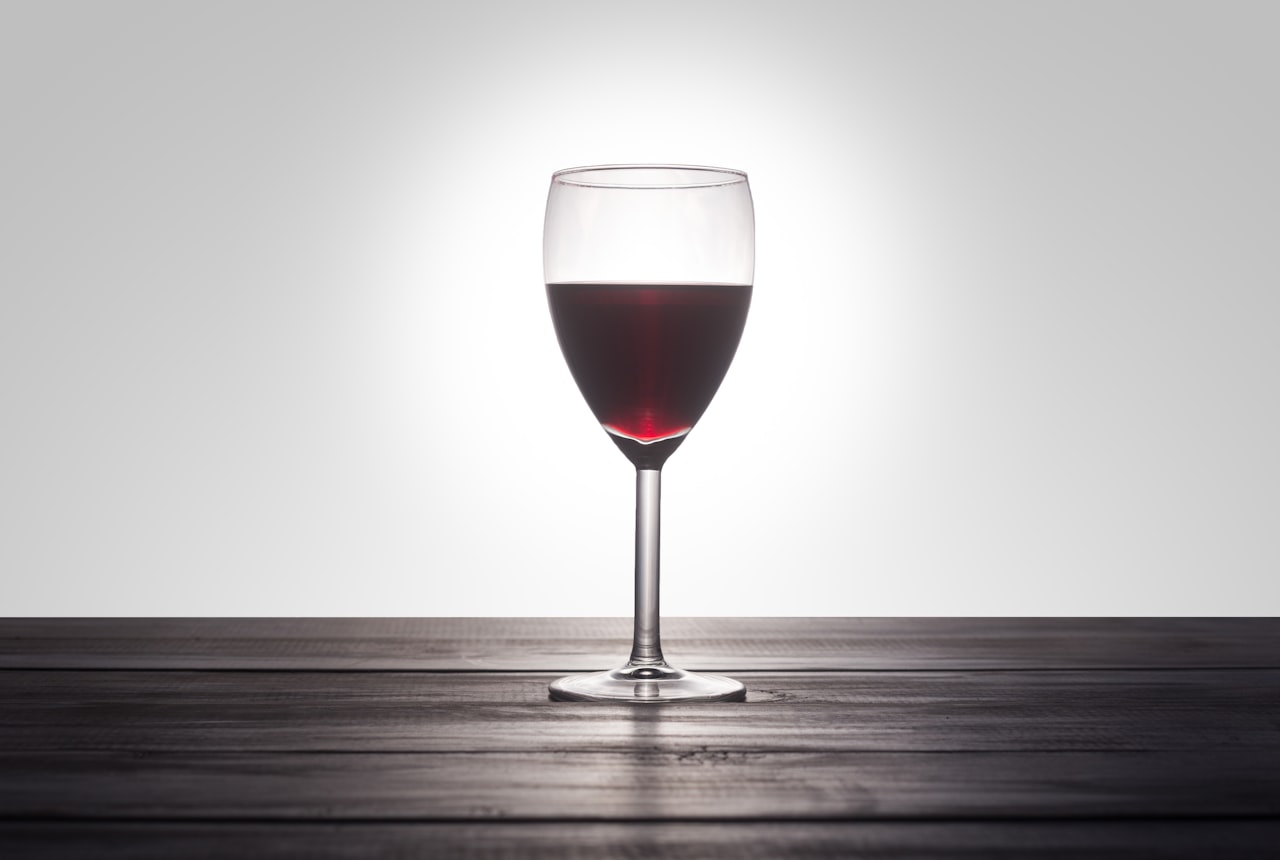
A single Bordeaux-shaped glass with deep ruby wine, dramatic warm light on dark wood
The Bordeaux glass — built for power and structure.

Understanding Argentine Wine (FAQ)

What makes Argentine Malbec so unique?

Argentina's high-altitude vineyards, particularly in Mendoza's Uco Valley, receive intense sunlight and experience dramatic temperature shifts between day and night. This slows grape ripening, resulting in rich flavors, balanced acidity, and smooth tannins.

How should I plan a wine tour in Mendoza?

We recommend booking tastings at least 2-3 months in advance, especially for prestigious wineries. Focus on one sub-region per day (like Luján de Cuyo or Uco Valley) to minimize travel time and enjoy a relaxed pace.

What are the best food pairings for Torrontés?

Torrontés, Argentina's signature white wine, is highly aromatic with floral notes. It pairs beautifully with spicy Asian cuisine, fresh seafood, and traditional Argentine empanadas (especially those containing corn or cheese).