How to store wine at home
No cellar? No wine fridge? Here's how to actually store wine well at home — what matters, what's myth, the simplest setup.
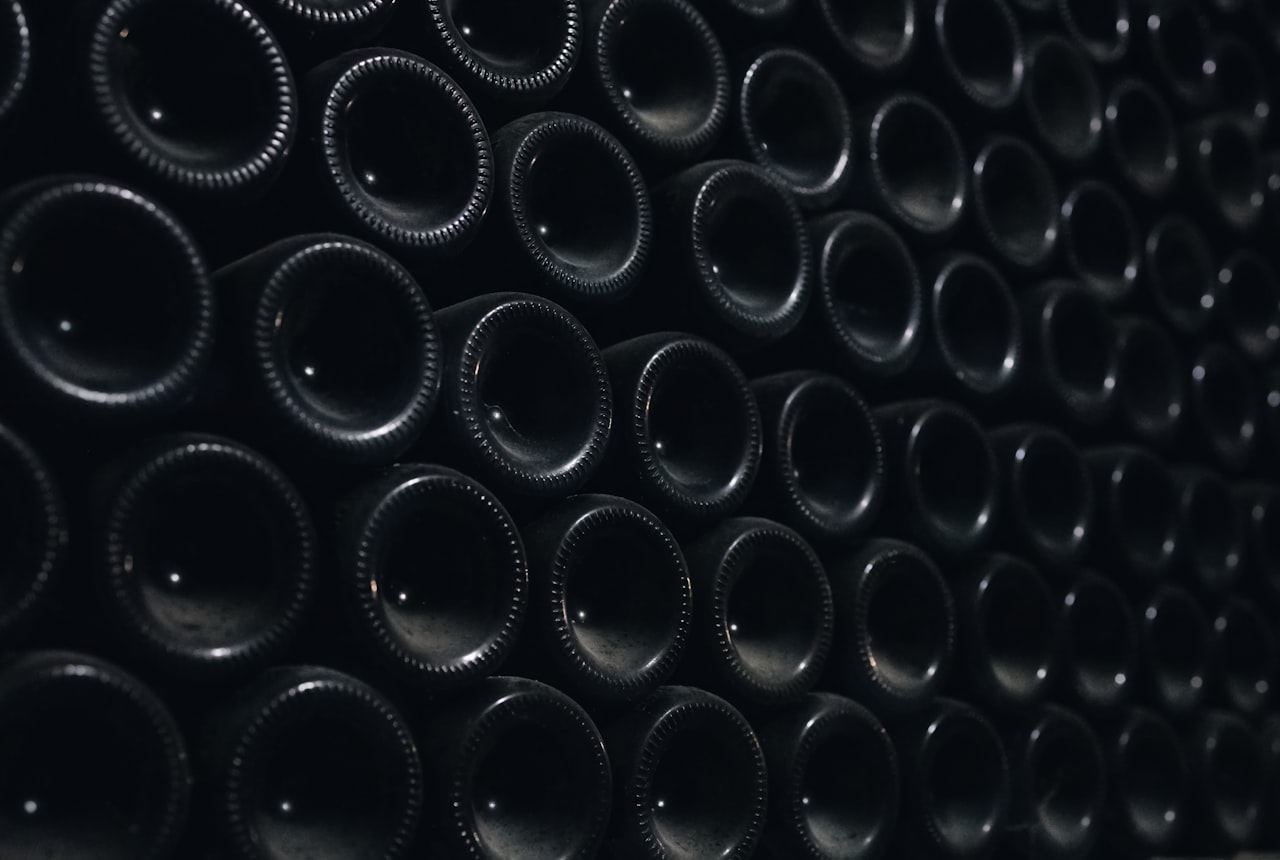
Temperature — the only non-negotiable
Stability matters more than the exact number. Above 70°F / 21°C, aging accelerates and the wine starts changing fast. Above 80°F / 27°C for extended periods, wine begins to “cook” — flat, baked, lifeless flavors that no decanting can fix.
The ideal is 55°F / 13°C, but the acceptable range is wider than most guides admit. Anywhere between 45°F and 65°F (7–18°C) is safe.
The single most important rule isn't the exact temperature — it's the stability. Wine stored at a steady 68°F outperforms wine stored between 50°F and 75°F. Big swings push the cork in and out, breaking the seal.
Humidity — important but easy
60–70% is ideal; most homes are already close to fine. Wine corks need humidity to stay flexible. Too dry, they shrink and let air in. Too humid, mold appears on labels.
Very dry climates (desert, heated apartments in winter) — corks dry out. A small humidifier or tray of water near bottles solves it. Tropical / coastal climates (80%+) — wine survives, labels can mold.
Wines under screw cap don't care about humidity — there's no cork to dry out.
Light — the silent killer
Keep wine in the dark, full stop. UV light breaks down aromatic compounds, accelerates aging, can damage color in months. Whites and light rosés in clear glass are the most vulnerable.
No direct sunlight, ever. Window light through closed curtain — fine for short-term. Bright incandescent bulbs — fine. Fluorescent and some LED lights — emit UV. Avoid prolonged exposure.
A closed cabinet, dark shelf, or closet — all fine. A wine rack in a sunny living room is a slow death sentence.
Vibration — yes, it's real
Matters for years, not for weeks. Long-term vibration disturbs sediment and accelerates chemical reactions inside the bottle. It mostly matters for age-worthy wines stored years.
Sources of constant vibration: kitchen refrigerator motor, washing machines, dryers, dishwashers, large speakers, heavy footsteps on creaky floors above.
If you're storing wines for under a year, vibration is the least of your worries. For 5+ year holding, find a still spot.
Position — horizontal or upright?
Depends on the closure. Cork = sideways. Screw cap = upright.
Wines with natural cork → on their side. Keeps wine touching the cork, which stays swollen and air-tight. Upright long-term dries the cork → oxygen in → wine oxidizes.
Wines with screw cap or synthetic cork → upright is fine. Sparkling → both work; high internal pressure keeps the cork moist from inside. Short-term (a few weeks) → either position is fine for anything.
The realistic apartment setup
Places that work in a typical home: A closet on an interior wall, away from heating ducts. The lower shelf of a pantry. A dedicated cabinet in a hallway or bedroom (away from windows). A basement if you have one (bonus humidity). Under a staircase.
Places that don't work: Above the refrigerator (heat from the motor). Next to a radiator. On top of the dishwasher. A sunlit kitchen rack. A garage that swings between hot summers and cold winters.
What this means for Argentine wines
Most Argentine wine doesn't need much storage. Most Malbec drinks within 3–5 years. A dark cupboard at room temperature handles it for 1–2 years easily.
Icon Malbecs from the Uco Valley (Catena Adrianna, Zuccardi top tier) can age 10–20+ years — these deserve proper storage. Cabernet Franc and structured Cab Sauv age beautifully 8–15 years.
Torrontés and Argentine whites — drink within 2–3 years. Aromatic whites lose their floral magic with age. Bonarda and easy reds — drink within 3–4 years. Argentine sparkling — drink young.
Read next
Quick answers
What is the ideal temperature for storing wine at home?
55°F / 13°C is the classic ideal, but anywhere between 45°F and 65°F (7°C and 18°C) is safe. What matters most is stability — wine stored at a steady 68°F outperforms wine swinging between 50°F and 75°F. Big swings push the cork in and out, breaking the seal.
Do I need a wine fridge to store wine properly?
No — not unless you're storing more than a dozen bottles or holding ageworthy wines for years. For everyday drinking, a dark closet under 70°F / 21°C works perfectly. A wine fridge is worthwhile for collectors; for casual drinkers, optional.
Should I store wine on its side or upright?
Wines with natural cork should be on their side — keeps the cork moist and air-tight. Wines with screw caps or synthetic corks can stand upright. For short-term storage (a few weeks), either position is fine.
Can I store wine in my kitchen fridge?
For a few days, yes. For long-term storage, no — a kitchen fridge runs around 37°F (too cold), has near-zero humidity, and vibrates constantly. Use it for short-term chilling only.
Does light really damage wine?
Yes, especially UV. Sunlight can degrade aromatics and color in months. This is why most quality wines come in dark green or amber bottles — the glass blocks ~80% of UV. Store wine in the dark.