Step 2 of 5

Humidity — important but easy

60–70% is ideal; most homes are already close to fine. Wine corks need humidity to stay flexible. Too dry, they shrink and let air in. Too humid, mold appears on labels.

Very dry climates (desert, heated apartments in winter) — corks dry out. A small humidifier or tray of water near bottles solves it. Tropical / coastal climates (80%+) — wine survives, labels can mold.

Wines under screw cap don't care about humidity — there's no cork to dry out.
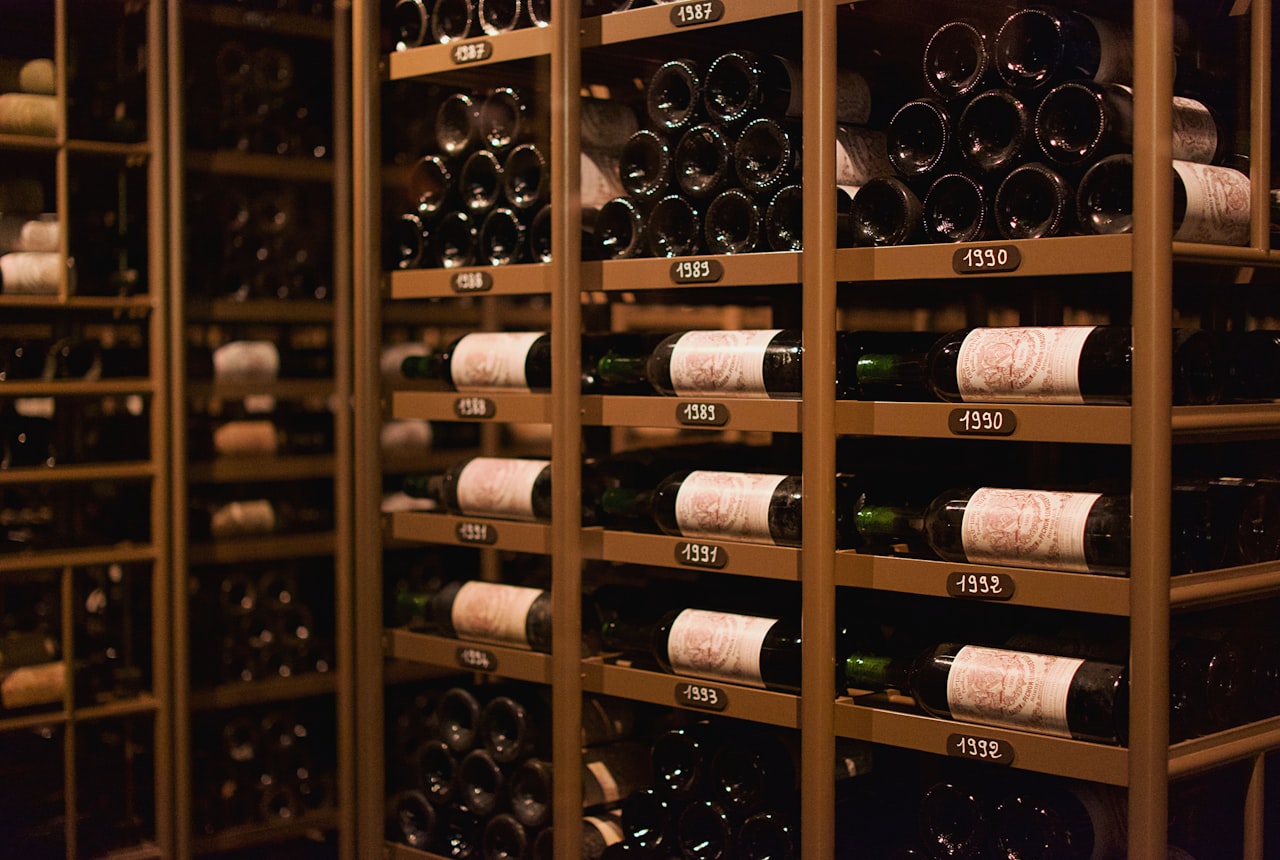
A wooden wine rack in a slightly humid cellar-like room with condensation on a window in the background
Humidity is gentler than people think. 60–70% is great. 40–60% is fine.

Understanding Argentine Wine (FAQ)

What makes Argentine Malbec so unique?

Argentina's high-altitude vineyards, particularly in Mendoza's Uco Valley, receive intense sunlight and experience dramatic temperature shifts between day and night. This slows grape ripening, resulting in rich flavors, balanced acidity, and smooth tannins.

How should I plan a wine tour in Mendoza?

We recommend booking tastings at least 2-3 months in advance, especially for prestigious wineries. Focus on one sub-region per day (like Luján de Cuyo or Uco Valley) to minimize travel time and enjoy a relaxed pace.

What are the best food pairings for Torrontés?

Torrontés, Argentina's signature white wine, is highly aromatic with floral notes. It pairs beautifully with spicy Asian cuisine, fresh seafood, and traditional Argentine empanadas (especially those containing corn or cheese).