Position — horizontal or upright?
Depends on the closure. Cork = sideways. Screw cap = upright.
Wines with natural cork → on their side. Keeps wine touching the cork, which stays swollen and air-tight. Upright long-term dries the cork → oxygen in → wine oxidizes.
Wines with screw cap or synthetic cork → upright is fine. Sparkling → both work; high internal pressure keeps the cork moist from inside. Short-term (a few weeks) → either position is fine for anything.
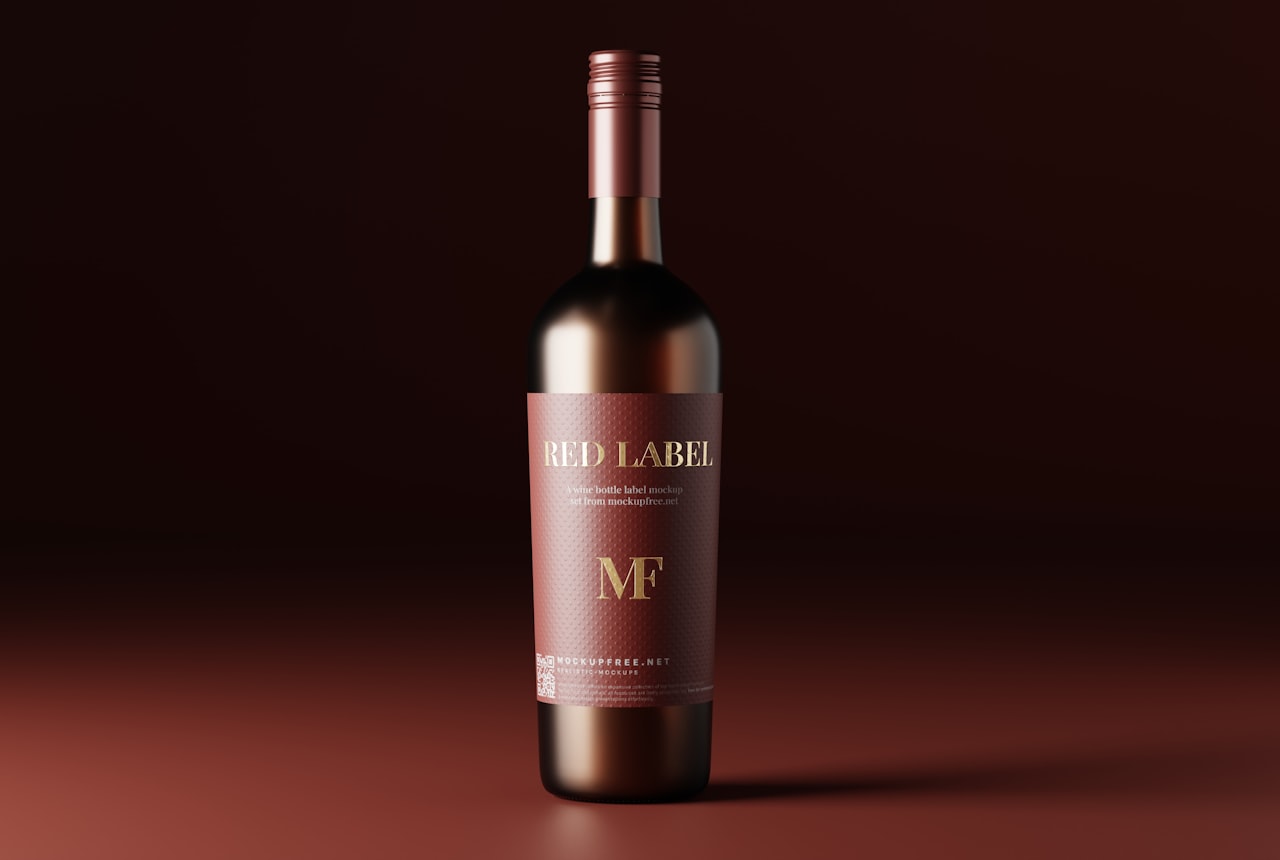
The realistic apartment setup
Places that work in a typical home: A closet on an interior wall, away from heating ducts. The lower shelf of a pantry. A dedicated cabinet in a hallway or bedroom (away from windows). A basement if you have one (bonus humidity). Under a staircase.
Places that don't work: Above the refrigerator (heat from the motor). Next to a radiator. On top of the dishwasher. A sunlit kitchen rack. A garage that swings between hot summers and cold winters.
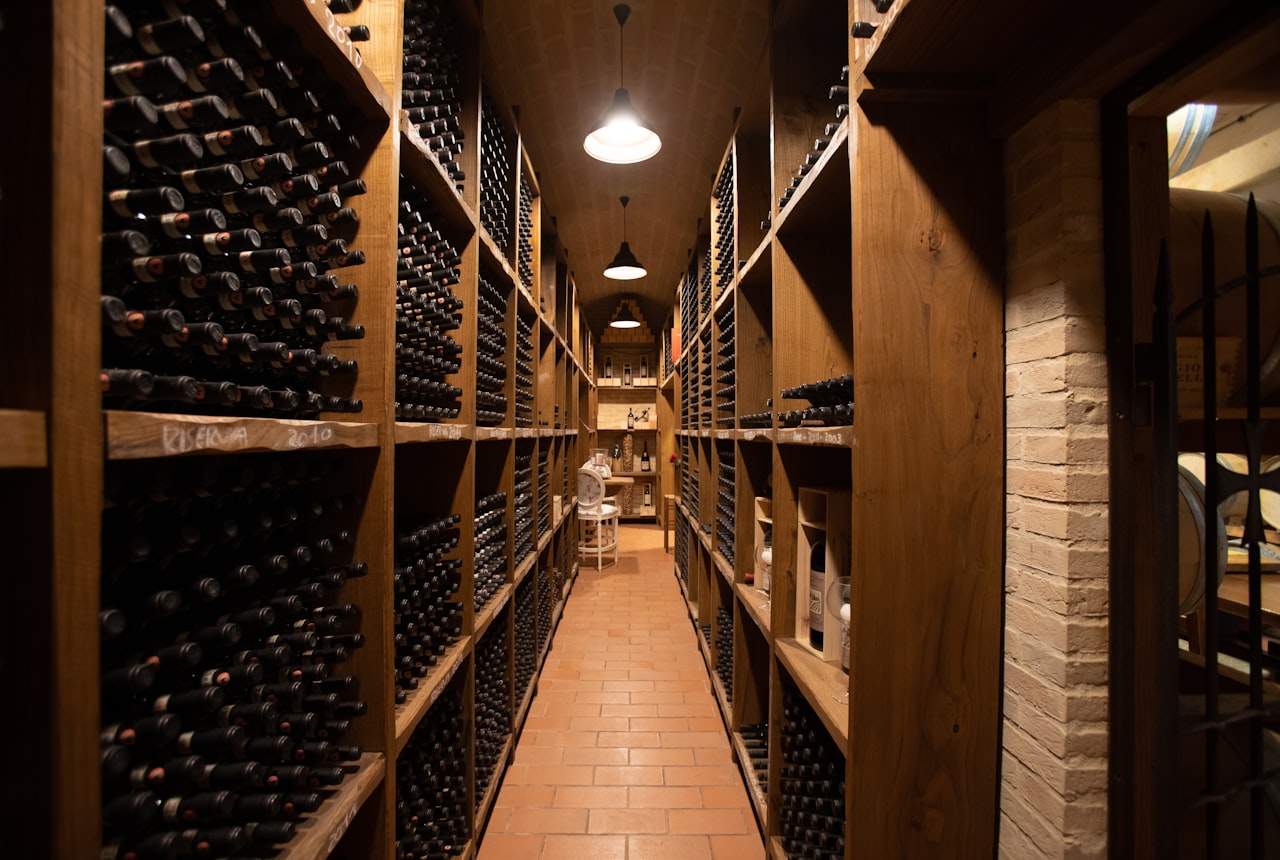
What this means for Argentine wines
Most Argentine wine doesn't need much storage. Most Malbec drinks within 3–5 years. A dark cupboard at room temperature handles it for 1–2 years easily.
Icon Malbecs from the Uco Valley (Catena Adrianna, Zuccardi top tier) can age 10–20+ years — these deserve proper storage. Cabernet Franc and structured Cab Sauv age beautifully 8–15 years.
Torrontés and Argentine whites — drink within 2–3 years. Aromatic whites lose their floral magic with age. Bonarda and easy reds — drink within 3–4 years. Argentine sparkling — drink young.