Step 1 of 5

Temperature — the only non-negotiable

Stability matters more than the exact number. Above 70°F / 21°C, aging accelerates and the wine starts changing fast. Above 80°F / 27°C for extended periods, wine begins to “cook” — flat, baked, lifeless flavors that no decanting can fix.

The ideal is 55°F / 13°C, but the acceptable range is wider than most guides admit. Anywhere between 45°F and 65°F (7–18°C) is safe.

The single most important rule isn't the exact temperature — it's the stability. Wine stored at a steady 68°F outperforms wine stored between 50°F and 75°F. Big swings push the cork in and out, breaking the seal.
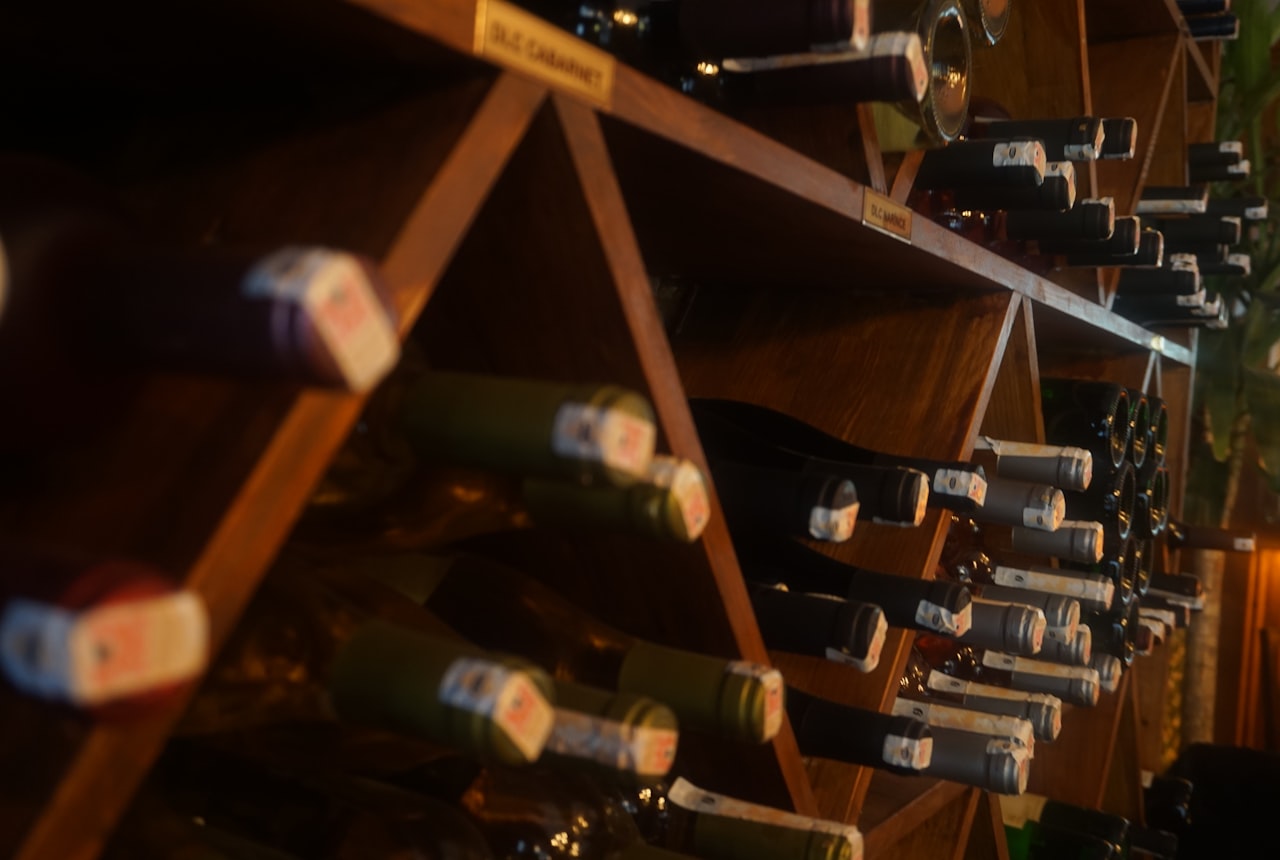
A thermometer placed on a wooden wine rack with several bottles, soft warm light
A $10 thermometer beats every wine-rack-on-the-counter setup.

Understanding Argentine Wine (FAQ)

What makes Argentine Malbec so unique?

Argentina's high-altitude vineyards, particularly in Mendoza's Uco Valley, receive intense sunlight and experience dramatic temperature shifts between day and night. This slows grape ripening, resulting in rich flavors, balanced acidity, and smooth tannins.

How should I plan a wine tour in Mendoza?

We recommend booking tastings at least 2-3 months in advance, especially for prestigious wineries. Focus on one sub-region per day (like Luján de Cuyo or Uco Valley) to minimize travel time and enjoy a relaxed pace.

What are the best food pairings for Torrontés?

Torrontés, Argentina's signature white wine, is highly aromatic with floral notes. It pairs beautifully with spicy Asian cuisine, fresh seafood, and traditional Argentine empanadas (especially those containing corn or cheese).