Step 4 of 5

Amphora & Clay

The original wine vessel — 8,000 years old. Wine was made in clay amphorae long before barrels existed. Georgian qvevri, buried in the ground, kept temperature stable and let microoxygenation happen naturally. The technique was lost for centuries, then rediscovered in the 1990s by orange-wine pioneers.

Like concrete, amphora adds no flavor to the wine. Unlike concrete, the wine is in direct contact with the clay — which can subtly bring out earthy, mineral notes. Many amphora producers also leave white wine on its skins, creating “orange wine” with deep amber color and tannins.

A small but serious movement of Argentine winemakers is experimenting with amphora — especially with Torrontés and lighter Malbecs. The results are wines that feel ancient and modern at the same time.
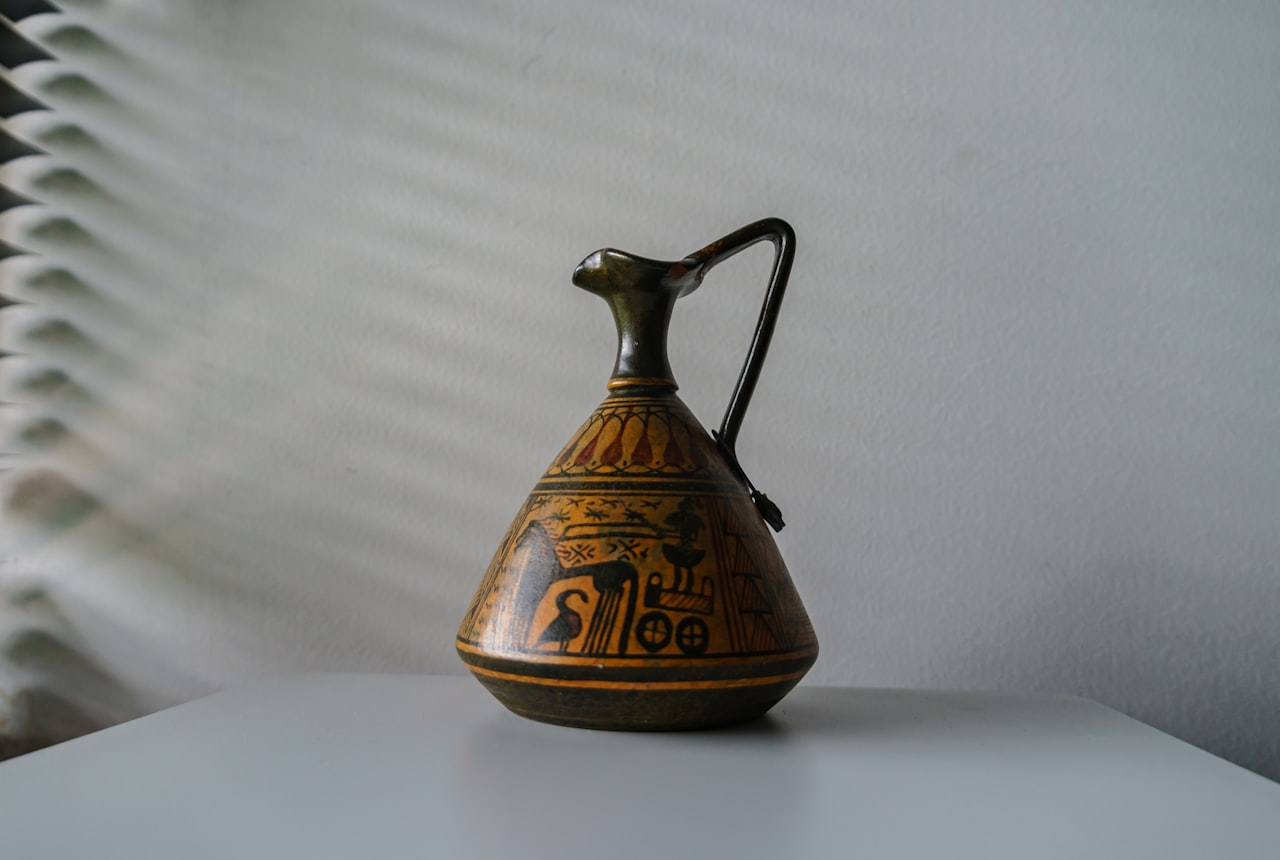
Clay amphorae used for fermenting wine
The vessel that started it all. Eight thousand years later, it's new again.

Understanding Argentine Wine (FAQ)

What makes Argentine Malbec so unique?

Argentina's high-altitude vineyards, particularly in Mendoza's Uco Valley, receive intense sunlight and experience dramatic temperature shifts between day and night. This slows grape ripening, resulting in rich flavors, balanced acidity, and smooth tannins.

How should I plan a wine tour in Mendoza?

We recommend booking tastings at least 2-3 months in advance, especially for prestigious wineries. Focus on one sub-region per day (like Luján de Cuyo or Uco Valley) to minimize travel time and enjoy a relaxed pace.

What are the best food pairings for Torrontés?

Torrontés, Argentina's signature white wine, is highly aromatic with floral notes. It pairs beautifully with spicy Asian cuisine, fresh seafood, and traditional Argentine empanadas (especially those containing corn or cheese).