Step 5 of 5

The Argentine Revolution

Argentina is quietly rewriting the rules. For the 30 years between 1990 and 2020, French oak was the answer to almost every winemaking question. New oak, big toast, lots of it. The wines became powerful, dark, internationally celebrated.

But somewhere around 2015, the country's best producers started asking a different question: what does Mendoza actually taste like? The answer, they realized, was being hidden under all that oak. So they switched. Concrete eggs. Large untoasted foudres. Amphora. Anything but new oak.

The result is a new generation of Argentine wines — lighter, more aromatic, more transparent about where they come from. The country's altitude, soils, and grape varieties finally get to speak for themselves.
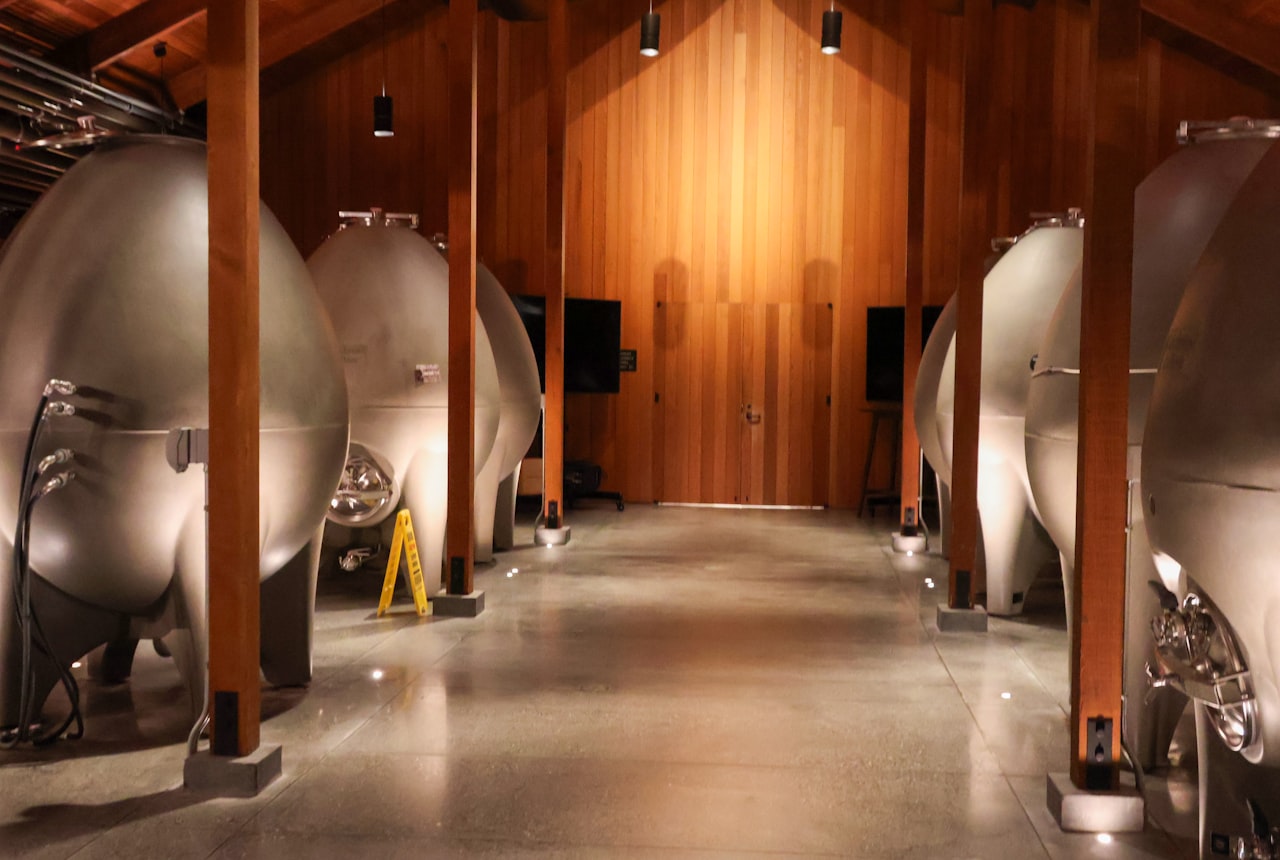
A modern Argentine winery cellar with concrete and steel tanks
Mendoza, 2026. Concrete, foudre, amphora — and almost no new oak in sight.

Understanding Argentine Wine (FAQ)

What makes Argentine Malbec so unique?

Argentina's high-altitude vineyards, particularly in Mendoza's Uco Valley, receive intense sunlight and experience dramatic temperature shifts between day and night. This slows grape ripening, resulting in rich flavors, balanced acidity, and smooth tannins.

How should I plan a wine tour in Mendoza?

We recommend booking tastings at least 2-3 months in advance, especially for prestigious wineries. Focus on one sub-region per day (like Luján de Cuyo or Uco Valley) to minimize travel time and enjoy a relaxed pace.

What are the best food pairings for Torrontés?

Torrontés, Argentina's signature white wine, is highly aromatic with floral notes. It pairs beautifully with spicy Asian cuisine, fresh seafood, and traditional Argentine empanadas (especially those containing corn or cheese).