Step 5 of 5

The shortcuts (and the famous one)

Wine aerators. Little devices that pour wine through a Venturi tube, mixing it with air on the way out. About 30 minutes of decanting compressed into 5 seconds. Good for everyday young reds. Don't use on old wines.

Double-decanting. Decant the wine into another container, then pour it back into the original bottle. Two pours = lots of air, no fancy glassware. Brilliant for opening up a young red on the dinner table.

Hyper-decanting — made famous by Nathan Myhrvold: blend young, bold red wine in a kitchen blender on high for 30 seconds. Sounds insane. Blind tastings show it dramatically opens up affordable tannic reds. Don't try on old or expensive wines.
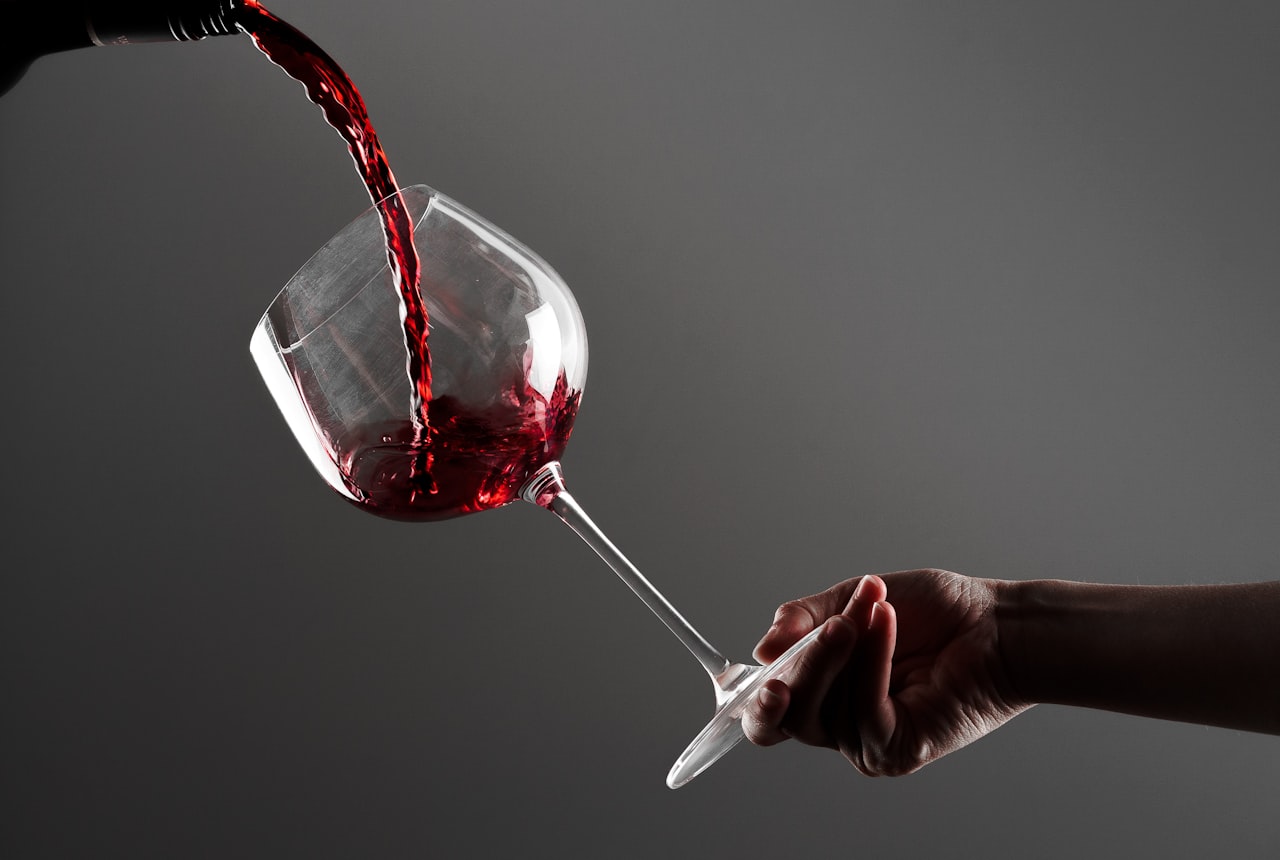
Someone double-decanting wine — pouring from a decanter back into a bottle, motion captured
Double-decanting: same wine, twice the air, no fancy glassware.

The Argentine decanting playbook

Young Mendoza Malbec (under 5 years) → 30–60 minutes. Fruit blooms, oak settles, tannins soften. Young Uco Valley icon wines (Catena, Zuccardi top tier) → 1–2 hours.

Cabernet Franc from Uco → counterintuitively, less (15–30 min). The grape's herbal aromatics are fragile.

Old icon Malbec (10+ years) → decant only to remove sediment; serve immediately. Torrontés and Argentine sparkling → never.
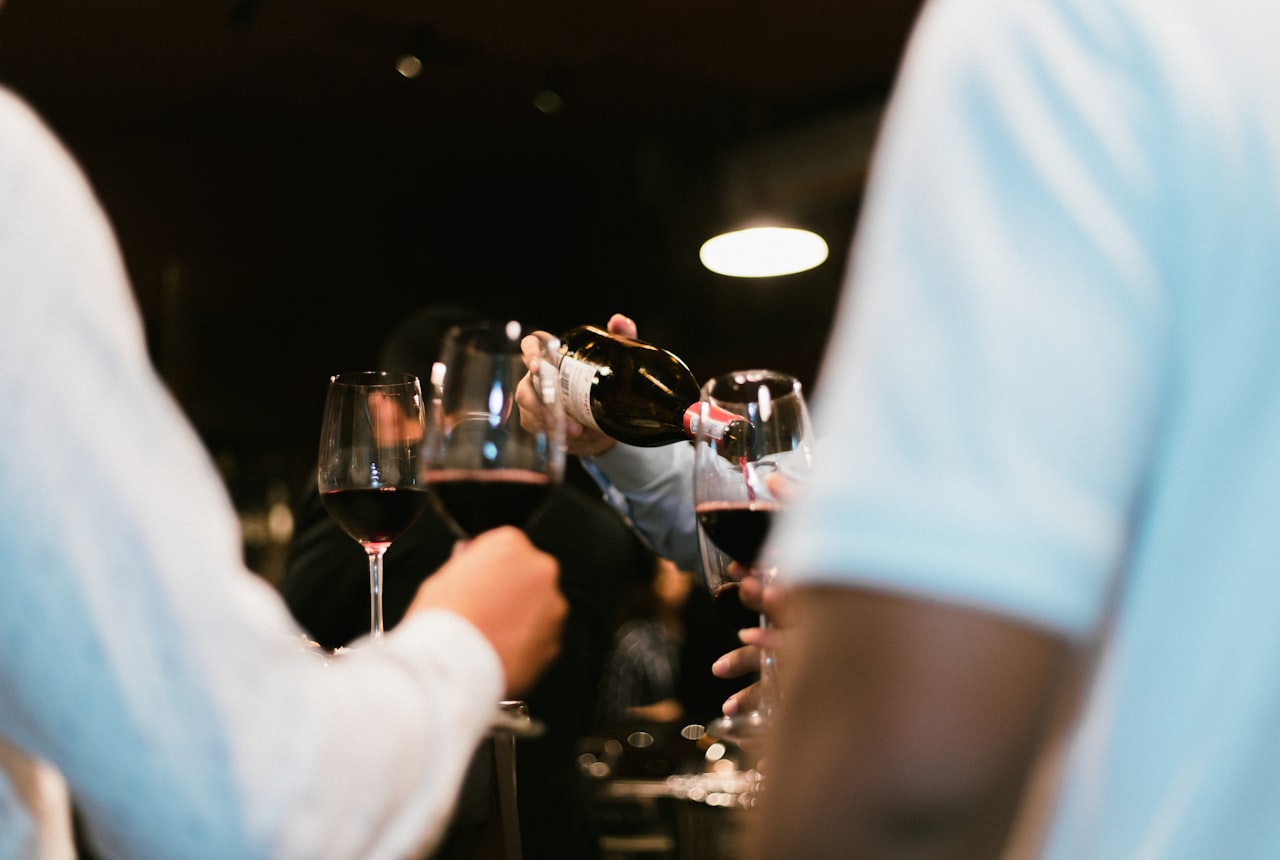
A sommelier's table with a young Malbec being decanted and glasses ready in warm wine cellar light
Young + tannic = decant longer. Old + delicate = decant less.

Understanding Argentine Wine (FAQ)

What makes Argentine Malbec so unique?

Argentina's high-altitude vineyards, particularly in Mendoza's Uco Valley, receive intense sunlight and experience dramatic temperature shifts between day and night. This slows grape ripening, resulting in rich flavors, balanced acidity, and smooth tannins.

How should I plan a wine tour in Mendoza?

We recommend booking tastings at least 2-3 months in advance, especially for prestigious wineries. Focus on one sub-region per day (like Luján de Cuyo or Uco Valley) to minimize travel time and enjoy a relaxed pace.

What are the best food pairings for Torrontés?

Torrontés, Argentina's signature white wine, is highly aromatic with floral notes. It pairs beautifully with spicy Asian cuisine, fresh seafood, and traditional Argentine empanadas (especially those containing corn or cheese).