Deep ruby wine being poured into a glass decanter against warm soft light
Wine Craft — How to Enjoy It

Decanting wine: when, how long, and why

Should you decant your Malbec? The honest guide — when decanting helps, when it hurts, and exactly how long different wines need.
Argentina Through Wine  ·  8 min read  ·  June 2026

In one lineDecanting does two completely different things — separate old wine from sediment OR let young wine breathe. Knowing which one you’re doing changes everything.
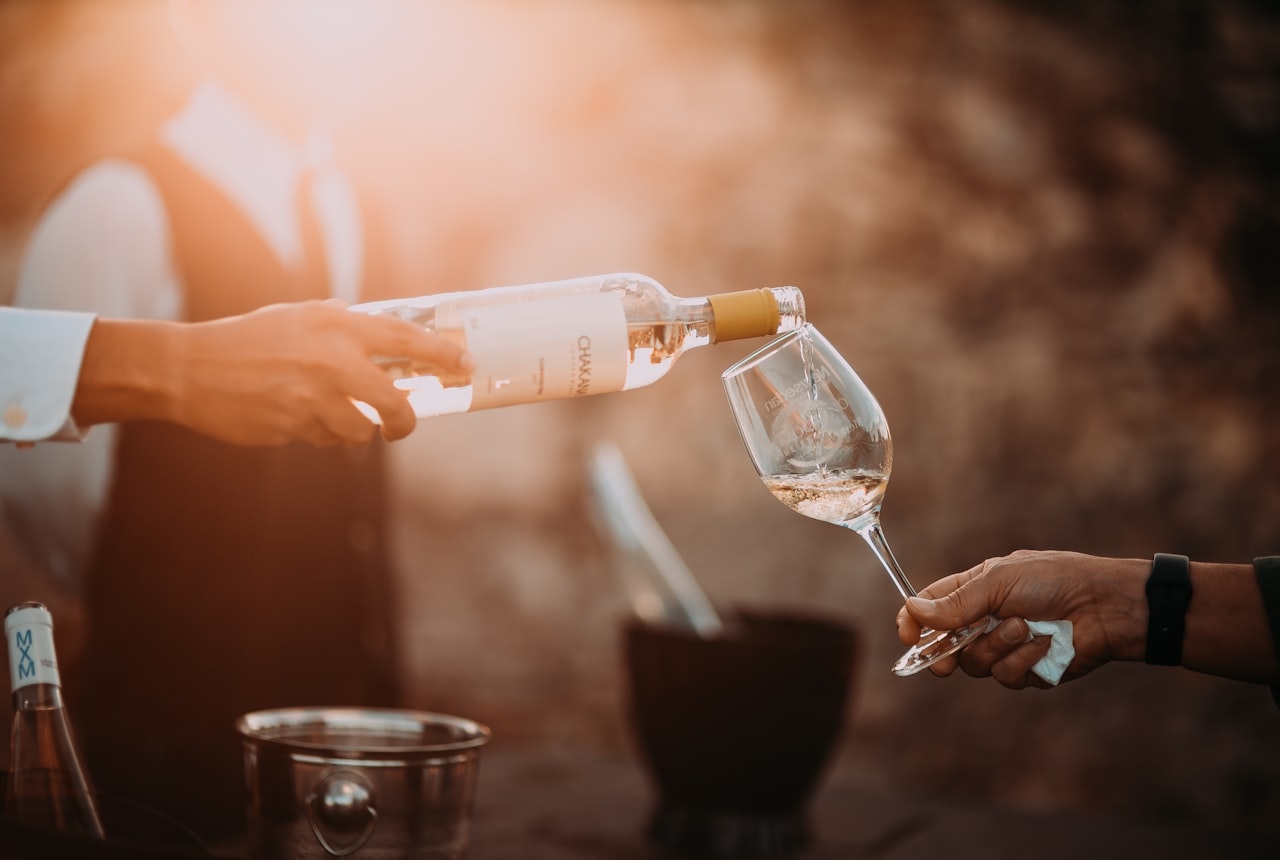
Wine being poured from a bottle into a glass decanter, deep ruby liquid catching warm light
Two minutes of theatre. Hours of better wine.

Most people decant the wrong wines for the wrong reasons. A precious 30-year-old Bordeaux gets blasted with oxygen and dies in twenty minutes. A young, tight Malbec sits in the bottle and never gets the air it actually needs. The fix is simple — once you know which job you’re doing, the rules become obvious.

The two reasons to decant (and they’re opposites)

There are only two real reasons to ever pour wine out of its bottle into a decanter.

Reason 1 — Aeration. You want to push oxygen into a young, tight, tannic wine to open it up. The decanter is doing what 30 minutes of swirling in your glass would do, only faster and across the whole bottle. The longer the better — within reason.

Reason 2 — Sediment. You want to gently separate an old, mature wine from the gritty deposit at the bottom of the bottle. The wine is fragile; the goal is to avoid extra oxygen. The shorter, the better.

These two jobs need different decanters, different timings, different mindsets. Almost everyone confuses them. Almost every wine writer warns against it. Almost everyone keeps doing it.

Reason 1: Aeration — when oxygen helps

Young, structured red wines often arrive closed — the fruit is hidden, the tannins are sharp, the wine tastes “tight” or one-dimensional. Oxygen unwinds them.

Mechanically, two things happen. Oxygen breaks up sulfur compounds (the rotten-match, struck-flint smells that disappear after a few minutes). And it gently bonds with tannins, softening the grippy texture and freeing the aromatic compounds to rise out of the glass.

The wines that benefit most:

  • Young, tannic reds (under ~5 years): structured Malbec, Cabernet Sauvignon, Tannat, Syrah, Petit Sirah, Nebbiolo
  • Big icon wines from Mendoza, Bordeaux, Barolo
  • Some unfiltered natural wines that smell reductive (sulfur-y) on opening

How long to decant a young red:

WineDecant timeWhy
Young, tannic red (Malbec, Cab Sauv, Syrah, Tannat)30 min – 2 hrsSoften tannins, release aromas
Big icon young red (top Malbec, Barolo, Napa Cab)1 – 3 hrsHighly structured — needs more air
Medium-bodied young red (Bonarda, mid Malbec)20 – 40 minLight aeration is enough
Reductive white (some natural / oaky whites smelling of sulfur)15 – 30 minBlow off the sulfur

Reason 2: Sediment — when oxygen hurts

Old red wines and vintage ports have a different problem. Color pigments and tannins slowly bond and fall out of solution, creating a fine sediment that settles at the bottom of the bottle. It’s harmless, but pour it into your glass and it tastes gritty and bitter.

A glass of deep red aged wine beside dark grapes in low, moody light
Old reds throw a fine sediment as pigments and tannins bind over the years — the reason a slow, candle-lit pour matters. The light catches the sediment the moment it reaches the bottle’s shoulder. That’s when you stop pouring.

You’ll typically find sediment in:

  • Red wines 5–10+ years old, especially Cabernet, Bordeaux, Barolo, structured Malbec
  • Vintage Port
  • Unfiltered modern wines (a growing category in natural and biodynamic wines)

The decanting technique matters here. Unlike young wines — where you want to splash and aerate — old wines need a gentle, careful pour, minimum air.

The classic ritual:

  1. Stand the bottle upright for 24–48 hours before opening. The sediment settles to the bottom.
  2. Remove the foil and clean the neck. Sediment in the rim is the enemy.
  3. Carefully remove the cork. Old corks can crumble; have a two-prong “Ah-So” extractor ready if you have one.
  4. Place a light source under the bottle neck — a candle is traditional, a smartphone flashlight works fine.
  5. Pour slowly and steadily into the decanter. Don’t stop. The instant the sediment (“smoke”) reaches the bottle’s shoulder, stop pouring. Leave the last 30–50ml in the bottle with the sediment.

How long to decant an old red:

  • 5–15 years old: 5–15 minutes is plenty. Just enough to separate sediment.
  • 15+ years old: decant immediately before serving. 5 minutes or less. The wine is fragile.
  • Vintage Port: decant 30–60 minutes ahead. Port is more durable than table wine.

The rule: the older the wine, the less time it should spend in the decanter. A 30-year-old Bordeaux left for an hour can lose its delicate aromatics completely.

What you should NOT decant

This is the half of the story most guides skip.

  • Old, light reds like fragile aged Pinot Noir or red Burgundy — the delicate aromatics are gone in minutes if you aerate them. Pour straight from the bottle.
  • Sparkling wines — decanting destroys the bubbles. The whole point of Champagne, Cava and Argentine sparkling is the mousse; don’t kill it.
  • Most whites and rosés — they’re already served young and fresh; aeration warms them and dulls the aromatics. The only exception: a sulfury, reductive white needs 15–30 minutes (see the table above).
  • Light, fruity everyday reds — Beaujolais, Bonarda, easy-drinking young Pinot. They’re built for instant drinking; decanting doesn’t add much.

The shortcuts: aerators, double-decanting, the blender

If you don’t want to wait an hour, there are three tricks.

Wine aerators. Little devices that pour the wine through a Venturi tube, mixing it with air on the way out. They work — about 30 minutes of decanting in 5 seconds. Good for everyday young reds. Don’t use them on old wines — too much oxygen, too fast.

Double-decanting. Decant the wine into another container (any vessel, even a pitcher), then pour it back into the original bottle. The act of pouring twice introduces a lot of air quickly. Brilliant for opening up a young red without having a fancy decanter on the table.

Hyper-decanting (the blender trick). Made famous by the cookbook author Nathan Myhrvold: blend young, bold red wine in a kitchen blender on high for 30 seconds. Sounds insane. Actually works — multiple blind tastings have shown it dramatically opens up affordable, tannic reds. Don’t try it on old or expensive wines.

What about Argentine wines specifically?

A few specific calls for the Argentine cellar:

  • Young Mendoza Malbec (under 5 years) — almost always benefits from 30–60 minutes of decanting. The fruit blooms, the oak settles, the tannins soften.
  • Young Uco Valley icon wines (Catena, Zuccardi, Salentein top tier) — 1–2 hours. These are built to age; decanting fast-forwards the experience.
  • Cabernet Franc from the Uco Valley — counterintuitively, decant less (15–30 min). The grape’s herbal, perfumed aromatics are fragile.
  • Old icon Malbec (10+ years) — be careful. Decant only to remove sediment; serve immediately. Don’t leave it in the decanter for an hour or you’ll lose what aging gave it.
  • Torrontés and Argentine whites — don’t decant.
  • Argentine sparkling — never.

For temperature, glassware and the rest of the serving picture, see our serving guide. For the formal way to taste what comes out of the decanter, see how to taste wine.

Browse our Argentina wine tours

Common Questions

Quick answers

Should you decant Malbec?

Young Argentine Malbec (under 5 years) almost always benefits from 30–60 minutes of decanting. The fruit opens up, the oak settles, the tannins soften. Big icon Malbecs from the Uco Valley benefit from 1–2 hours. Old Malbec (10+ years) should be decanted only briefly, to separate sediment — long aeration will dull the wine.

How long should you decant wine?

It depends on age and structure. Young, tannic reds: 30 minutes to 2 hours. Big young icons: 1–3 hours. Old reds (15+ years): 5 minutes or less, just to separate sediment. Old delicate reds like aged Pinot Noir: don’t decant at all. The general rule — the older the wine, the less time in the decanter.

What is the point of decanting wine?

Two completely different purposes. For young wines, decanting aerates them — oxygen softens tannins and releases aromas. For old wines, decanting separates the clear wine from the natural sediment that forms over years in the bottle. The two jobs use opposite techniques: aggressive pour for young, gentle pour for old.

Can you decant white wine?

Usually no. Whites and rosés are served young and fresh, and decanting warms them and dulls the aromatics. The only exception is when a white smells reductive (sulfur, struck match, rotten egg) on opening — 15–30 minutes of aeration can blow off the off-aromas. Sparkling wine should never be decanted; you’d kill the bubbles.

How long does decanted wine last?

Most reds keep 12–18 hours after decanting; whites and lighter reds, less. After that, oxidation begins to flatten the flavors. If you can’t finish a decanted bottle, pour the rest back into a clean bottle, cork it tight, and refrigerate.