Los atajos (y el método famoso)
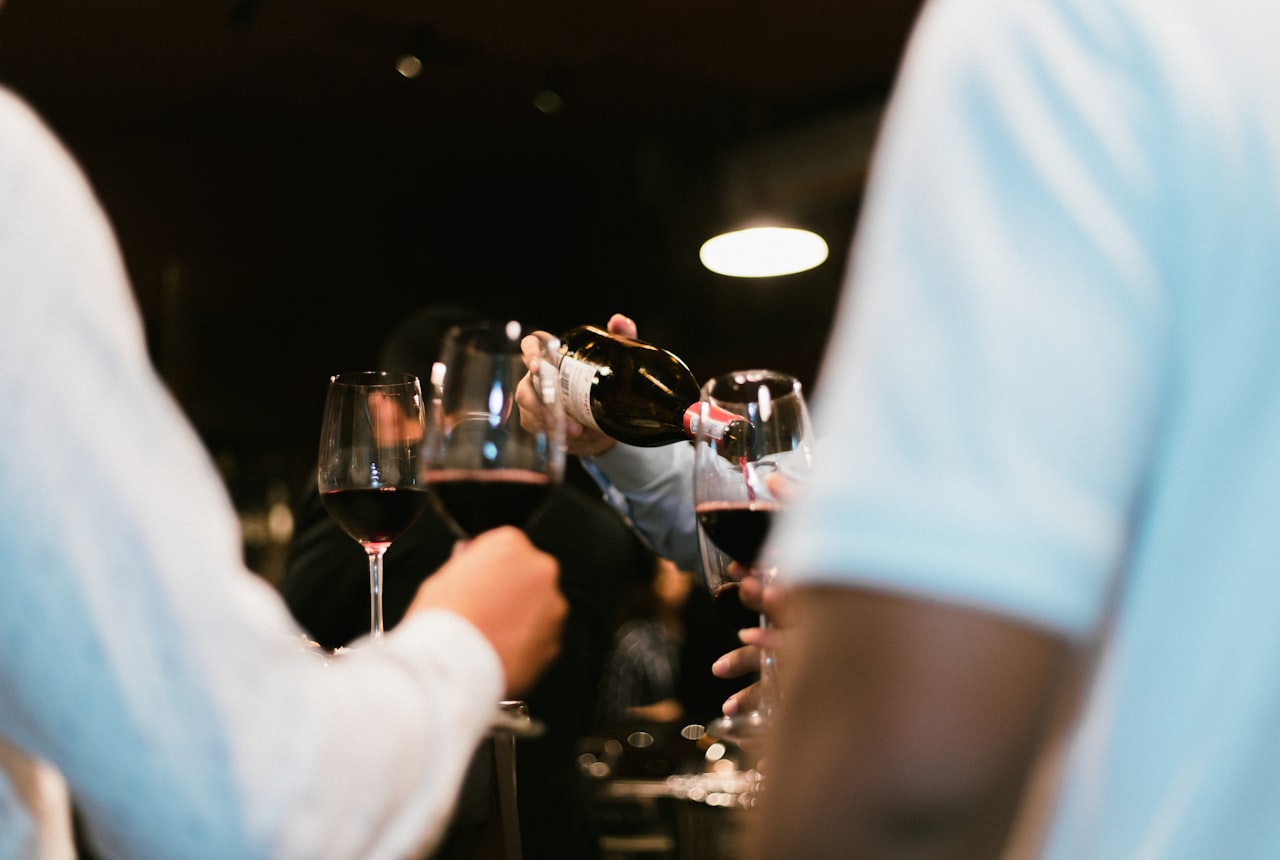
Aireadores de vino. Pequeños accesorios que vierten el vino mediante un tubo Venturi, mezclándolo intensamente con oxígeno al instante. Consiguen el efecto de unos 30 minutos de decantador en solo 5 segundos. Ideales para tintos jóvenes de consumo diario. No los uses en vinos de guarda antiguos.
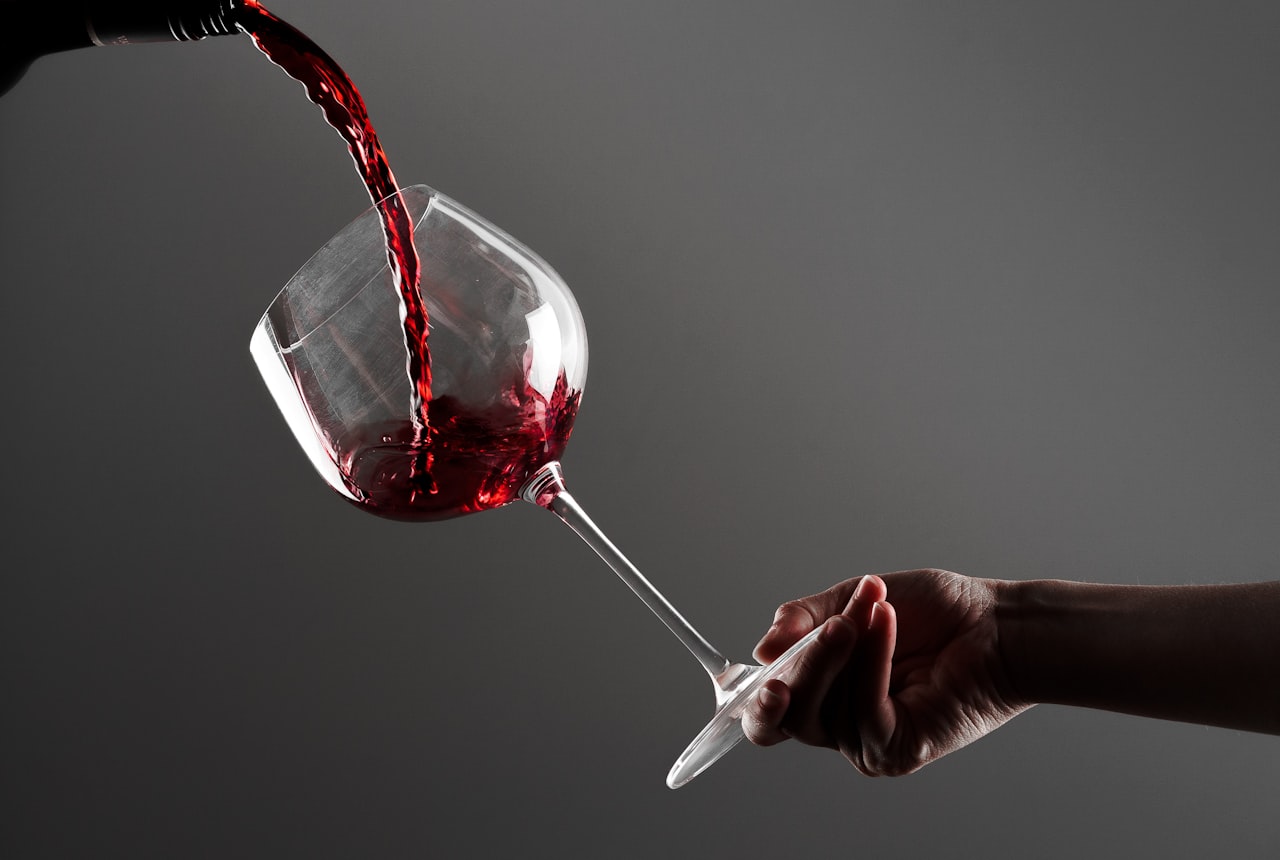
Doble decantado (Double-decanting). Decantar el vino en una jarra o decantador y luego regresarlo a su botella original limpia mediante un embudo. Dos trasvases = oxigenación instantánea y presentación en la botella original sobre la mesa.
Hiperdecantado (Hyper-decanting). Popularizado por Nathan Myhrvold: licuar un tinto joven y potente en una batidora durante 30 segundos a máxima velocidad. Aunque suene extremo, en catas a ciegas demuestra abrir drásticamente tintos jóvenes con taninos duros. Nunca lo uses en vinos añejos o de gran sutileza.
El manual de decantación para vinos argentinos
Malbec mendocino joven (menos de 5 años) → 30 a 60 minutos. La fruta eclosiona, la madera se integra y los taninos se vuelven aterciopelados. Vinos icono jóvenes del Valle de Uco → 1 a 2 horas.
Cabernet Franc del Valle de Uco → curiosamente, menos tiempo (15 a 30 minutos). Sus delicados aromas herbáceos y florales son sutiles y se volatilizan rápido.
Malbec de guarda maduro (10+ años) → decantar únicamente para separar los sedimentos y servir de inmediato. Torrontés y espumantes argentinos → nunca se decantan.