Step 2 of 4

Cork — what's right, what's wrong

Built for long aging — at a real risk. Natural cork is harvested from the bark of cork oak trees, mostly in Portugal and Spain. The tree isn't cut down; the bark grows back over 9 years. Sustainable. Romantic.

With one big problem: TCA (cork taint) — a compound formed when chlorine reacts with natural fungi in cork bark. Gives wine a musty, wet-cardboard, damp-basement, wet-dog aroma. Affects roughly 3–5% of cork-sealed bottles.

What cork does well: slow, controlled oxygen for serious reds aging 10+ years. There's still no proven substitute for high-end Bordeaux or icon Malbec.
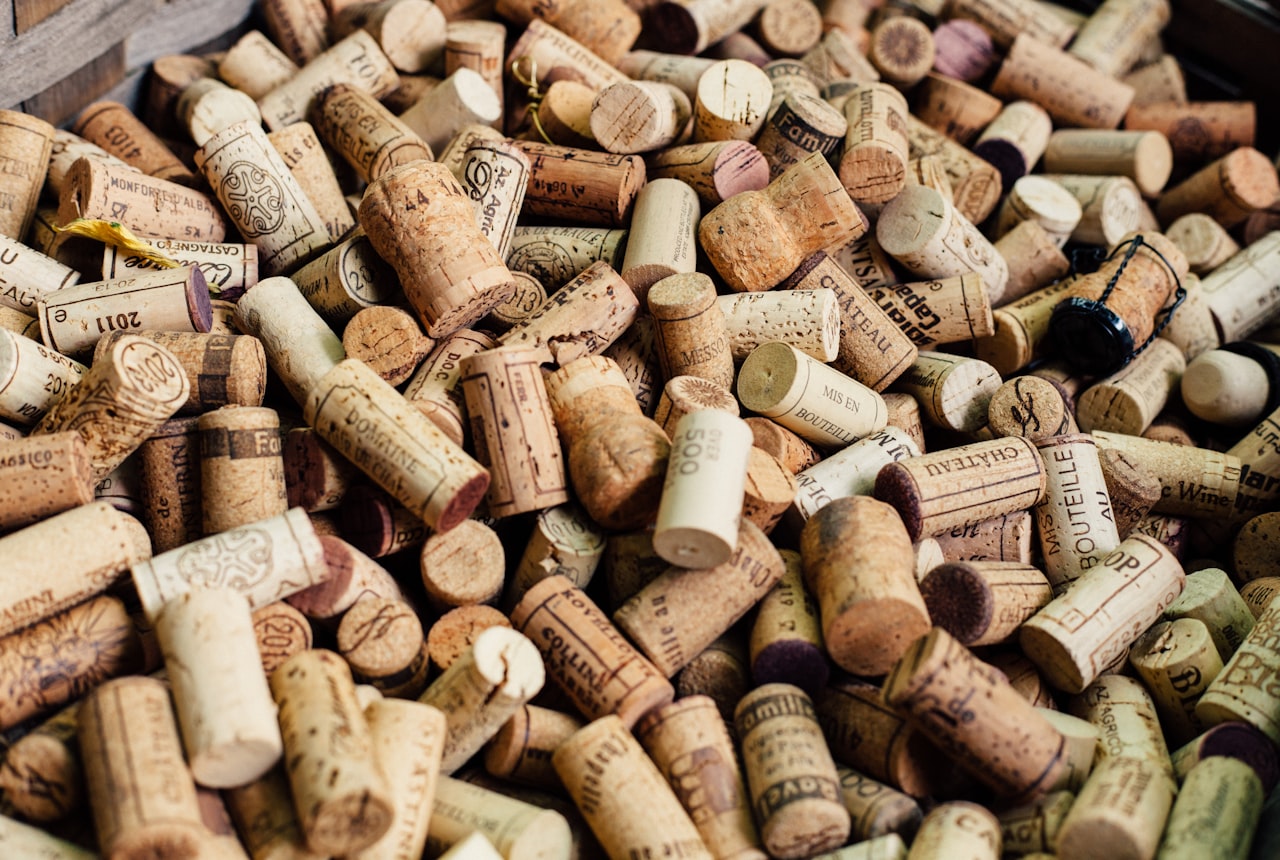
A stack of natural cork stoppers piled on a wooden surface showing varied textures in warm side-light
Cork at its best is irreplaceable. At its worst, it ruins the wine.

Understanding Argentine Wine (FAQ)

What makes Argentine Malbec so unique?

Argentina's high-altitude vineyards, particularly in Mendoza's Uco Valley, receive intense sunlight and experience dramatic temperature shifts between day and night. This slows grape ripening, resulting in rich flavors, balanced acidity, and smooth tannins.

How should I plan a wine tour in Mendoza?

We recommend booking tastings at least 2-3 months in advance, especially for prestigious wineries. Focus on one sub-region per day (like Luján de Cuyo or Uco Valley) to minimize travel time and enjoy a relaxed pace.

What are the best food pairings for Torrontés?

Torrontés, Argentina's signature white wine, is highly aromatic with floral notes. It pairs beautifully with spicy Asian cuisine, fresh seafood, and traditional Argentine empanadas (especially those containing corn or cheese).