Producers
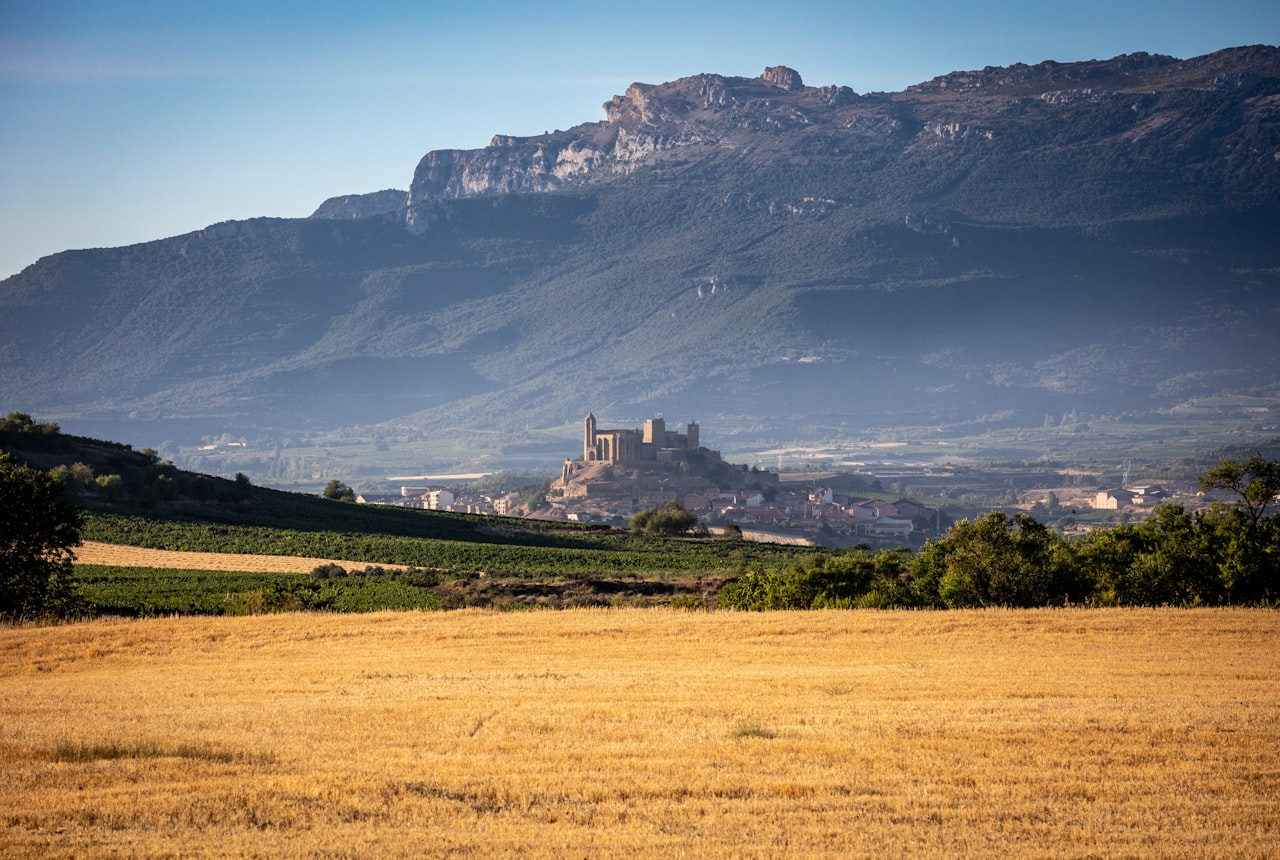
Chilecito is the natural base. It is a small, dusty, mountain-rimmed town that more than one visitor has compared to the Wild West — named, in fact, after the Chilean miners who poured in during a 19th-century gold rush. From here the Famatina Valley opens up: rows of vines on the valley floor, the snow line of the Sierra de Famatina above them, and barely another tourist in sight.
This is the appeal and the warning in one sentence. La Rioja is not a polished, signposted wine-tourism machine like Mendoza. It rewards travelers who like quiet, raw landscape and don't mind a little improvisation. If you are building a northern wine route, it slots naturally between Salta and the Calchaquí Valley to the north — Torrontés country of a different stripe — and the powerhouse of Mendoza to the south.
Go for the Torrontés. Stay for the feeling that you have found something most of the world drove straight past.