Soil to Soul Wine: Why the Catena Institute's Mendoza Soil Study Changes Everything
The phrase “Soil to Soul Wine” is no longer just poetic rhetoric in Argentina — it has become the defining scientific framework for modern South American viticulture. The Catena Institute of Wine, the world-renowned research arm of Bodega Catena Zapata, has officially published its monumental 5-year geological study identifying 47 distinct soil units across the Uco Valley alone.
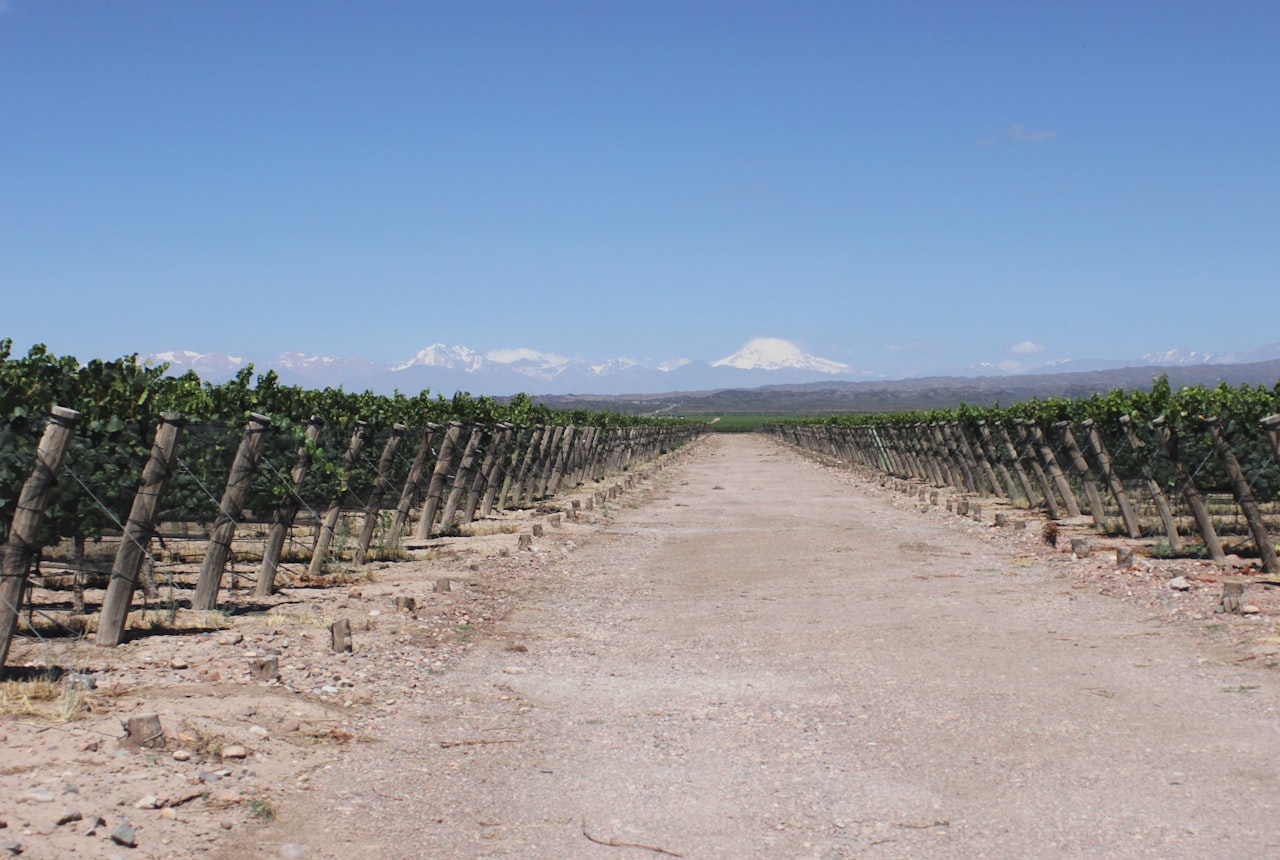
For decades, international wine labels were satisfied with broad regional demarcations: “Mendoza,” then “Uco Valley,” and eventually recognized Geographical Indications like “Gualtallary” or “Paraje Altamira.” But the Catena Institute's groundbreaking study proves that terroir variations operate on a micro-parcel scale spanning mere meters, deeply influenced by the extreme Andean altitude and 20°C diurnal temperature shifts.
“This is the scientific foundation for true single-parcel winemaking in the Southern Hemisphere. Two vineyard blocks just 800 meters apart in Gualtallary have entirely different calcium carbonate and gravel compositions. That physical difference is directly translated from soil to soul in the glass.”
The 4 Core Soil Microstructures: What’s in the Glass?
Understanding the connection from soil to soul allows collectors and drinkers to decode the dramatic differences between Argentine wines. The study categorizes Mendoza's high-altitude terroirs into four primary soil microstructures:
1. Calcareous Limestone & Marine Calcium Carbonate (Gualtallary, 1,300m–1,600m)
Geology: Prehistoric seabed calcification encrusting Andean round pebbles and gravel with white calcium carbonate deposits.
Vineyard Effect: Restricts vegetative vine growth and forces root systems deep into chalky fissures, concentrating natural malic acid and phenolics.
In the Glass: Electric, tension-driven acidity, fine chalky tannins, crushed rock minerality, wild herbs, and unparalleled aging potential (e.g., Catena Zapata Adrianna Vineyard White Bones & River Stones, Zuccardi Piedra Infinita).
2. Alluvial Riverbed Gravel & Granite (Paraje Altamira, 1,100m)
Geology: Massive glacial alluvial fans created by the Tunuyán River carrying quartz, basalt, and eroded granite stones.
Vineyard Effect: Ultra-fast drainage prevents waterlogging; roots navigate porous stone layers, promoting balanced sugar-acid accumulation.
In the Glass: Intense floral violet aromatics, fresh dark plum, graphite, flinty complexity, and seamless cashmere tannins.
3. Sandy-Clay Loam over Deep Gravel (Luján de Cuyo, 900m–1,050m)
Geology: Historic alluvial plains formed by centuries of silt and fine loam runoff along the Mendoza River basin.
Vineyard Effect: Retains gentle moisture while warmer daytime valley temperatures ensure full phenolic ripeness of tannins.
In the Glass: Opulent, lush black fruit, sweet pipe tobacco, chocolate mocha, and the velvety, full-bodied profile that made Argentine Malbec world-famous.
4. Decomposed Quartz & Extreme Aeolian Silt (Pedernal & Salta High Valleys, 1,400m–2,500m)
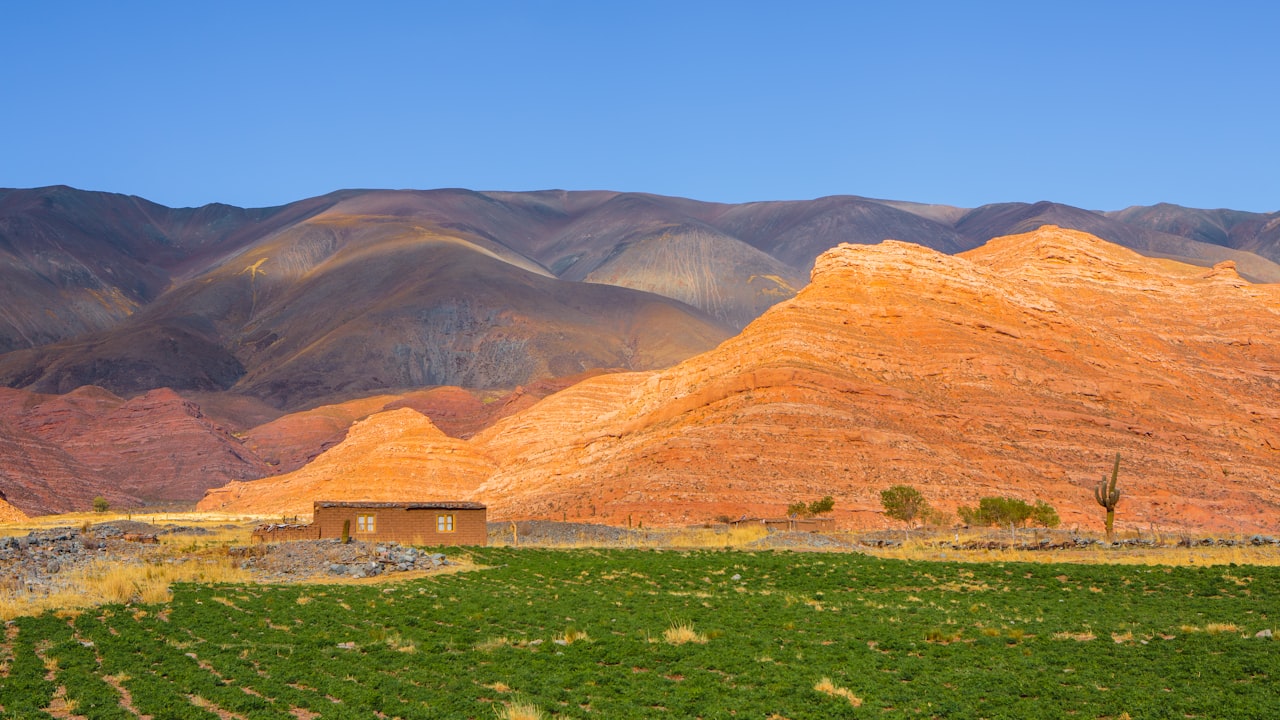
Geology: Ancient crystalline mountain beds, flint (pedernal), and wind-blown volcanic dust at extreme altitudes.
Vineyard Effect: Nutrient-poor soil forces vine roots to battle through bedrock, multiplying polyphenol concentration under intense UV-B radiation.
In the Glass: Muscular tannins, gunsmoke, dark blackberry, rosemary, wild mountain herbs, and a savory finish (seen in extreme high-altitude Tannat & Syrah).
Soil to Soul Comparison: Terroirs at a Glance
Several leading estates have launched dedicated single-soil wine lines to highlight these findings — notably Zuccardi's acclaimed “Concreto Suelo”, Achaval Ferrer's “Fincas” series, and Catena Zapata's parcel-specific Adrianna Vineyard releases. To explore how these differences contrast with classic French terroirs, explore our deep dive on Argentine vs. French Malbec: Terroir & Style Comparison.