Soil to Soul: Por qué el mapa de 47 suelos de Mendoza del Catena Institute lo cambia todo
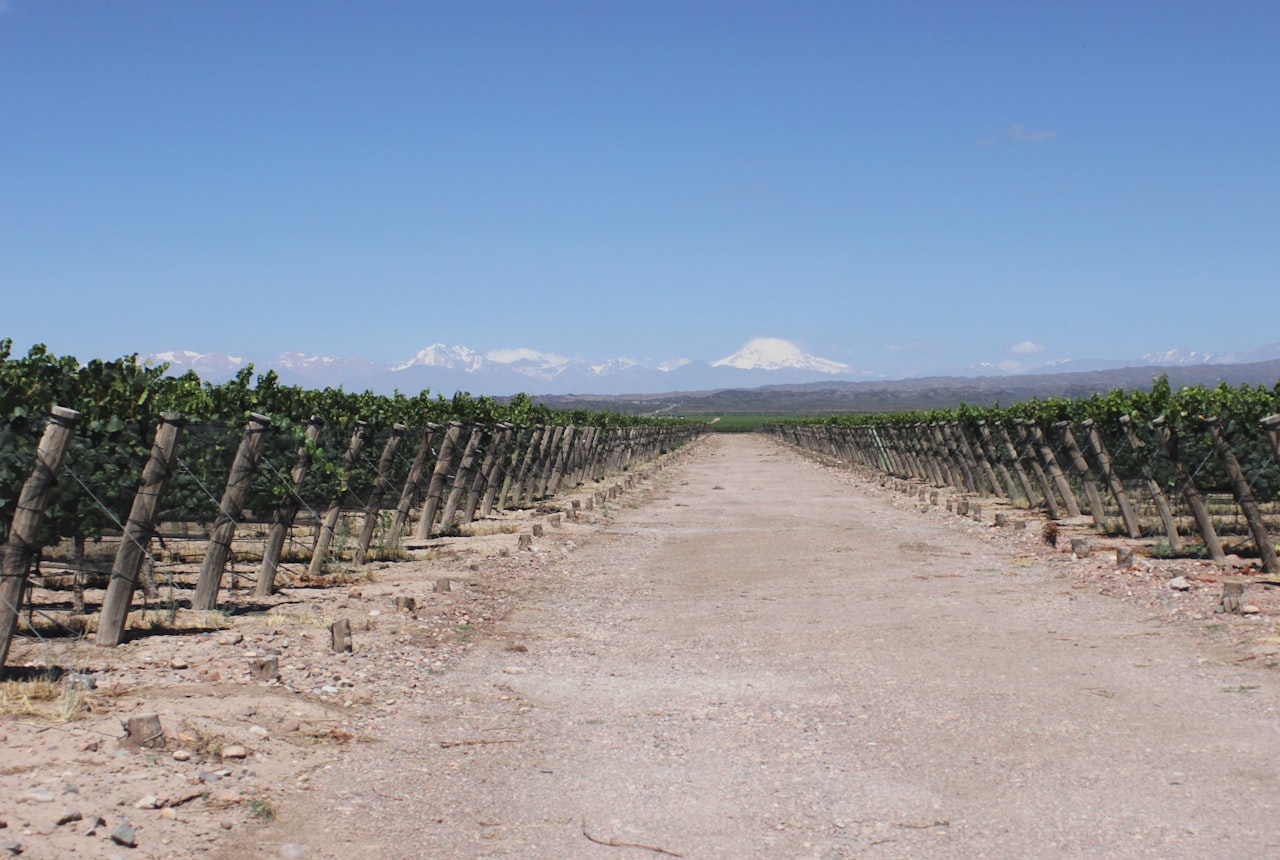
El concepto “Soil to Soul Wine” (del suelo al alma del vino) ha dejado de ser una frase poética en Argentina para convertirse en el marco científico fundamental de la viticultura de precisión. El Catena Institute of Wine, el prestigioso centro de investigación de Bodega Catena Zapata, ha publicado su exhaustivo estudio de 5 años identificando 47 unidades de suelo distintas solo en el Valle de Uco.
Durante décadas, el mercado internacional se conformó con indicaciones amplias: “Mendoza”, luego “Valle de Uco”, y más recientemente Indicaciones Geográficas como “Gualtallary” o “Paraje Altamira”. Sin embargo, esta investigación demuestra que el terruño varía a nivel de microparcelas separadas por escasos metros, moldeadas por la extrema altitud andina y la amplitud térmica de más de 20°C.
“Esta es la base científica para una verdadera era de vinos de parcela en Sudamérica. Dos bloques de viñedo separados por solo 800 metros en Gualtallary poseen composiciones de carbonato de calcio y gravas completamente distintas. Esa diferencia geológica se transmite del suelo al alma directamente en la copa.”
Las 4 Microestructuras de Suelo Clave: ¿Cómo se traducen en la copa?
Comprender la relación entre suelo y vino permite a los amantes del vino decodificar la personalidad de cada botella argentina. El estudio clasifica los terruños mendocinos en cuatro grandes familias geológicas:
1. Caliza Calcárea y Carbonato de Calcio Marino (Gualtallary, 1.300m–1.600m)
Geología: Antiguos lechos marinos prehistóricos que recubren los cantos rodados andinos con costras blancas de carbonato de calcio.
Efecto en la Vid: Limita el vigor vegetativo y obliga a las raíces a penetrar fisuras de tiza, concentrando acidez málica natural y polifenoles.
En la Copa: Acidez eléctrica y vibrante, textura de taninos calcáreos (tiza), mineralidad salina, hierbas de montaña y una longevidad excepcional (ej. Catena Zapata Adrianna Vineyard White Bones & River Stones, Zuccardi Piedra Infinita).
2. Gravas Aluviales y Granito de Río (Paraje Altamira, 1.100m)
Geology: Conos de deyección glaciar originados por el río Tunuyán, con cuarzo, basalto y bloques de granito erosionado.
Efecto en la Vid: Drenaje ultra rápido que evita el encharcamiento; raíces profundas que logran una maduración fenólica perfecta sin exceso de azúcar.
En la Copa: Intensos aromas florales a violetas, ciruela negra fresca, grafito, complejidad mineral y taninos de textura sedosa como cachemira.
3. Franco-Arcilloso y Limos sobre Grava Profunda (Luján de Cuyo, 900m–1.050m)
Geología: Planicies aluviales históricas acumuladas durante milenios por los sedimentos del río Mendoza.
Efecto en la Vid: Mayor retención de humedad y temperaturas diurnas más templadas que permiten una madurez opulenta y envolvente.
En la Copa: Fruta negra madura, moca, cacao, tabaco dulce y los taninos aterciopelados y dulces que hicieron famoso al Malbec argentino en todo el mundo.
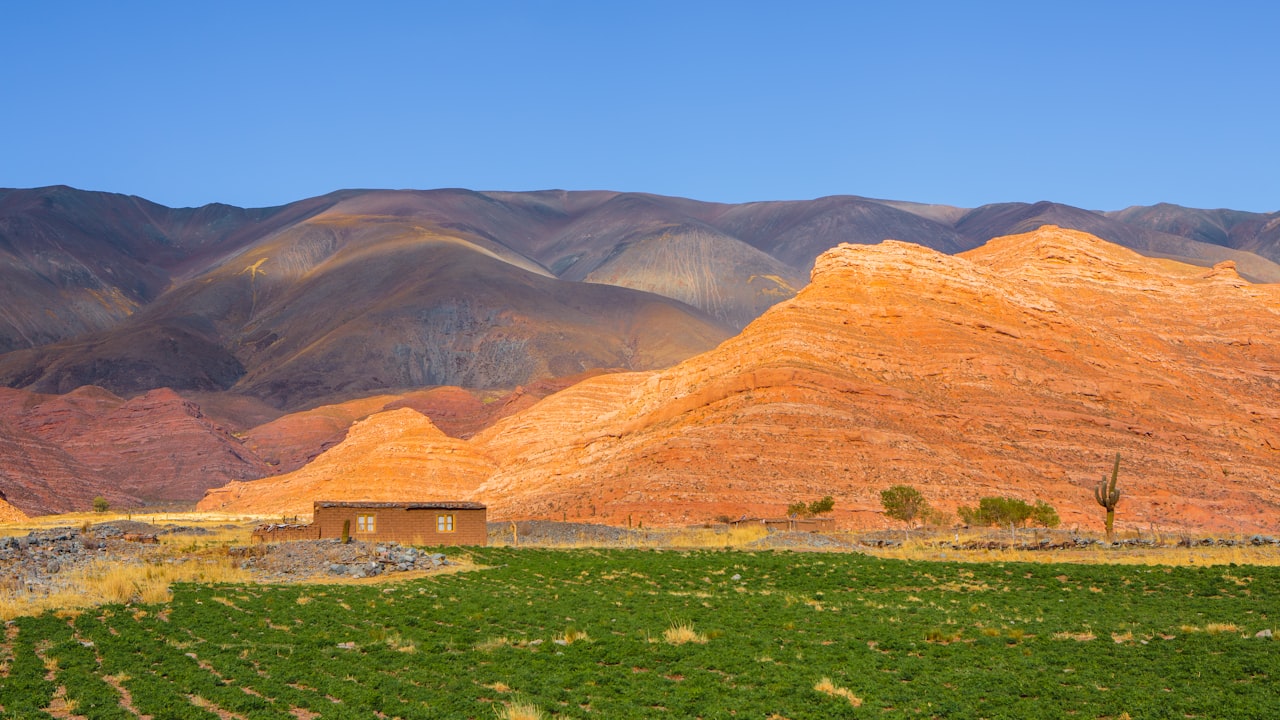
4. Sílice, Pedernal y Polvo Eólico Andino (Valle de Pedernal y Salta, 1.400m–2.500m)
Geología: Rocas cristalinas paleozoicas, sílex (pedernal) y cenizas volcánicas a alturas extremas.
Efecto en la Vid: Suelos muy pobres en materia orgánica que obligan a las vides a concentrar polifenoles bajo radiación solar UV-B extrema.
En la Copa: Taninos musculosos y firmes, pólvora, moras silvestres, tomillo, romero de montaña y un final balsámico (presente en Tannat de extrema altura).
Comparativa Soil to Soul: Los Terruños de un Vistazo
Grandes bodegas ya han creado líneas dedicadas exclusivamente a estos suelos — como la serie “Concreto Suelo” de Zuccardi, la gama “Fincas” de Achaval Ferrer, y las parcelas icónicas de Adrianna Vineyard de Catena Zapata. Para ver cómo se comparan estos terruños con Francia, consulta nuestra guía Malbec Argentino vs Francés: Comparativa de Terruño y Estilo.