The dessert challenge: what to drink with dulce de leche
The single golden rule of dessert pairing, why ordinary red wine fails, and why high-altitude Late-Harvest Torrontés creates sheer gastronomic magic.
The single rule of dessert pairing
Match sweetness to sweetness. A dry wine — even a world-class 95-point Malbec — will taste thin, harsh, and almost sour next to a rich dessert. The sugar on your palate numbs your sweetness receptors and amplifies the wine's acid and alcohol.
To restore balance, the wine must be at least as sweet as what is on your plate. That is why ordinary dry red fails, but a late-harvest Torrontés is pure magic: it has the residual sugar to meet the caramel head-on and the mountain acidity to finish crisp and clean.
The three best wines for dulce de leche
Three distinct bottles, each calibrated for a specific style of Argentine dessert.

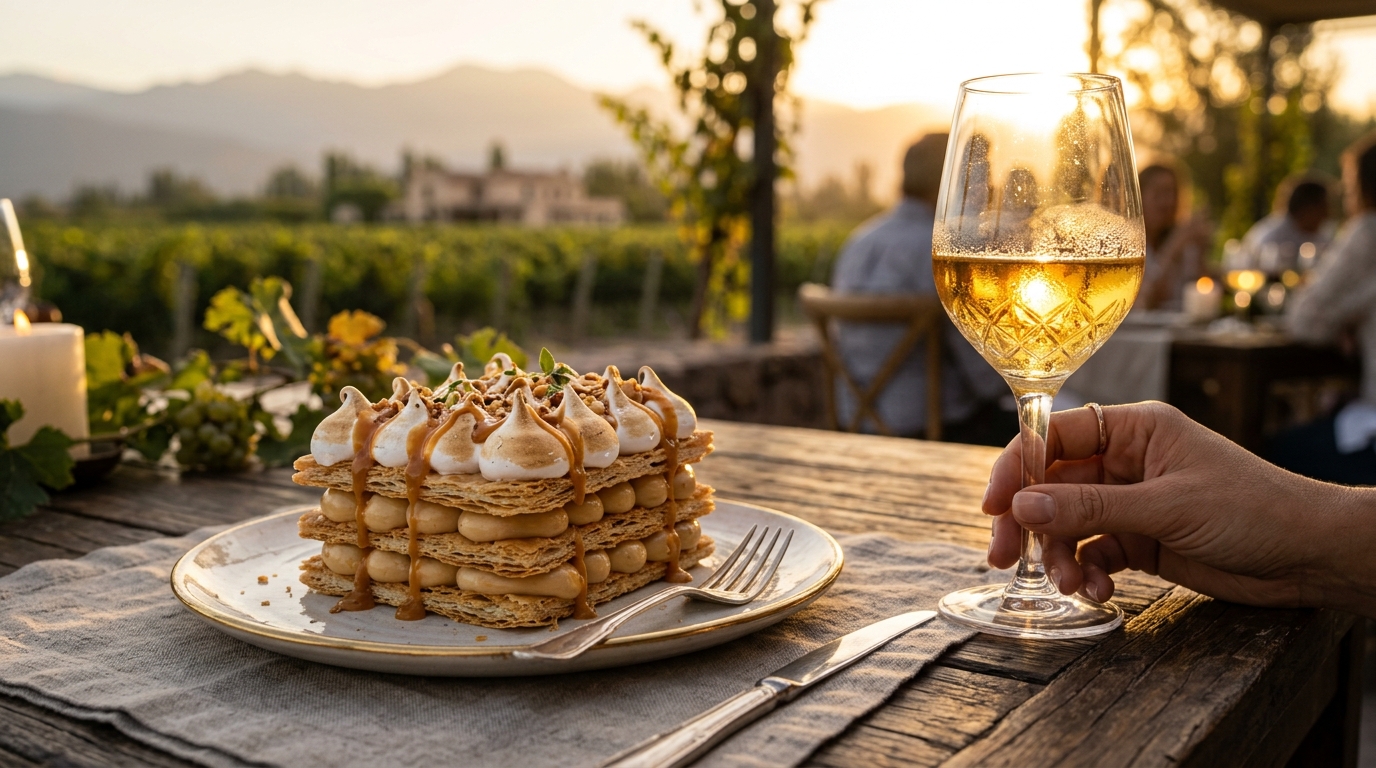
Late-Harvest Torrontés (Cosecha Tardía)
The undisputed Argentine pairing for dulce de leche. Grapes are left on the vine at extreme altitudes in Salta (Cafayate) and La Rioja until their natural sugars concentrate.
The result is a wine that is honeyed but never cloying, bursting with notes of orange blossom, apricot, and jasmine, backed by high-altitude acidity that slices clean through the milk fat.
Demi-Sec Sparkling Wine
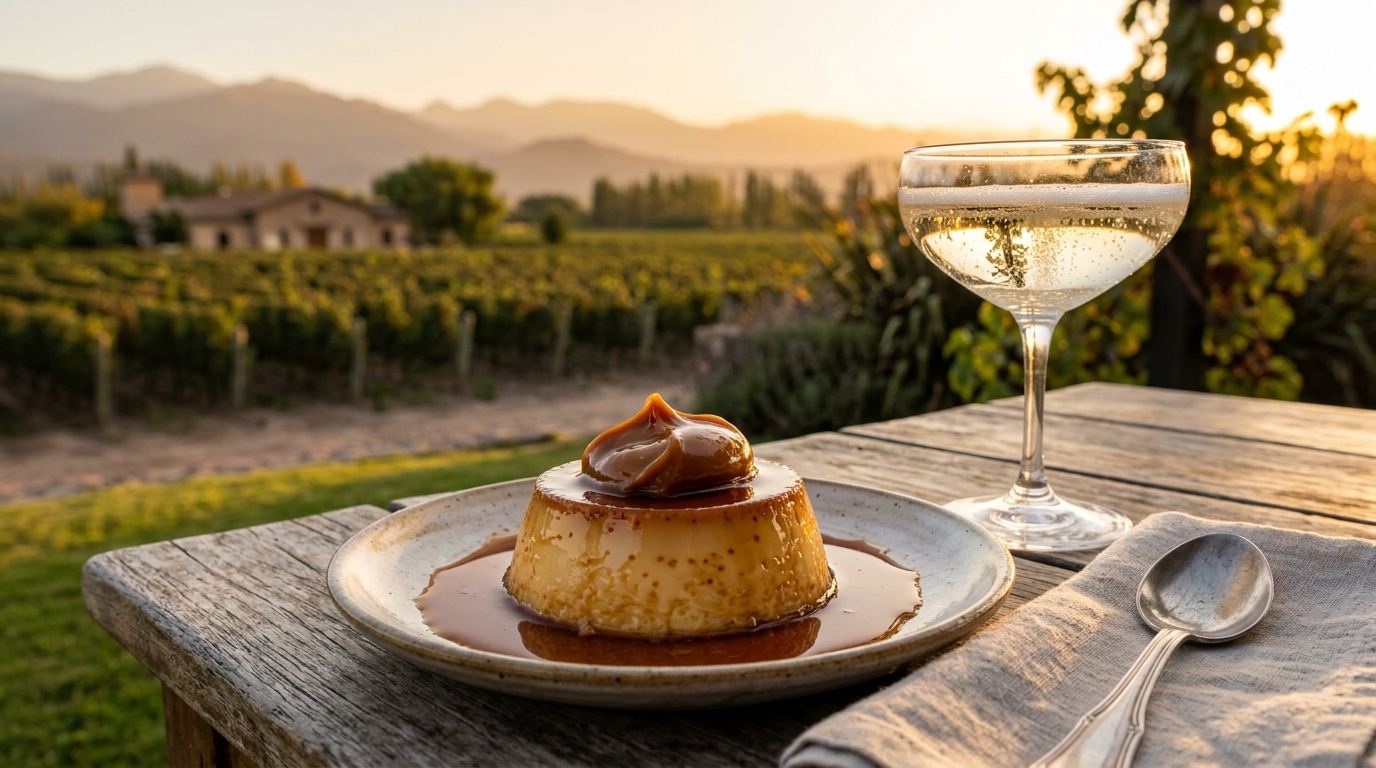
Argentine sparkling wines from Mendoza's Uco Valley are world-class. A demi-sec (off-dry) sparkler is brilliant with lighter formats of dulce de leche — flan mixto, light sponge cakes, and helado de dulce de leche.
The fine bubbles cut the sweetness, the gentle residual sugar harmonizes with caramel, and the ice-cold serving temperature lifts the entire dessert.
Fortified Sweet Malbec (Malamado)
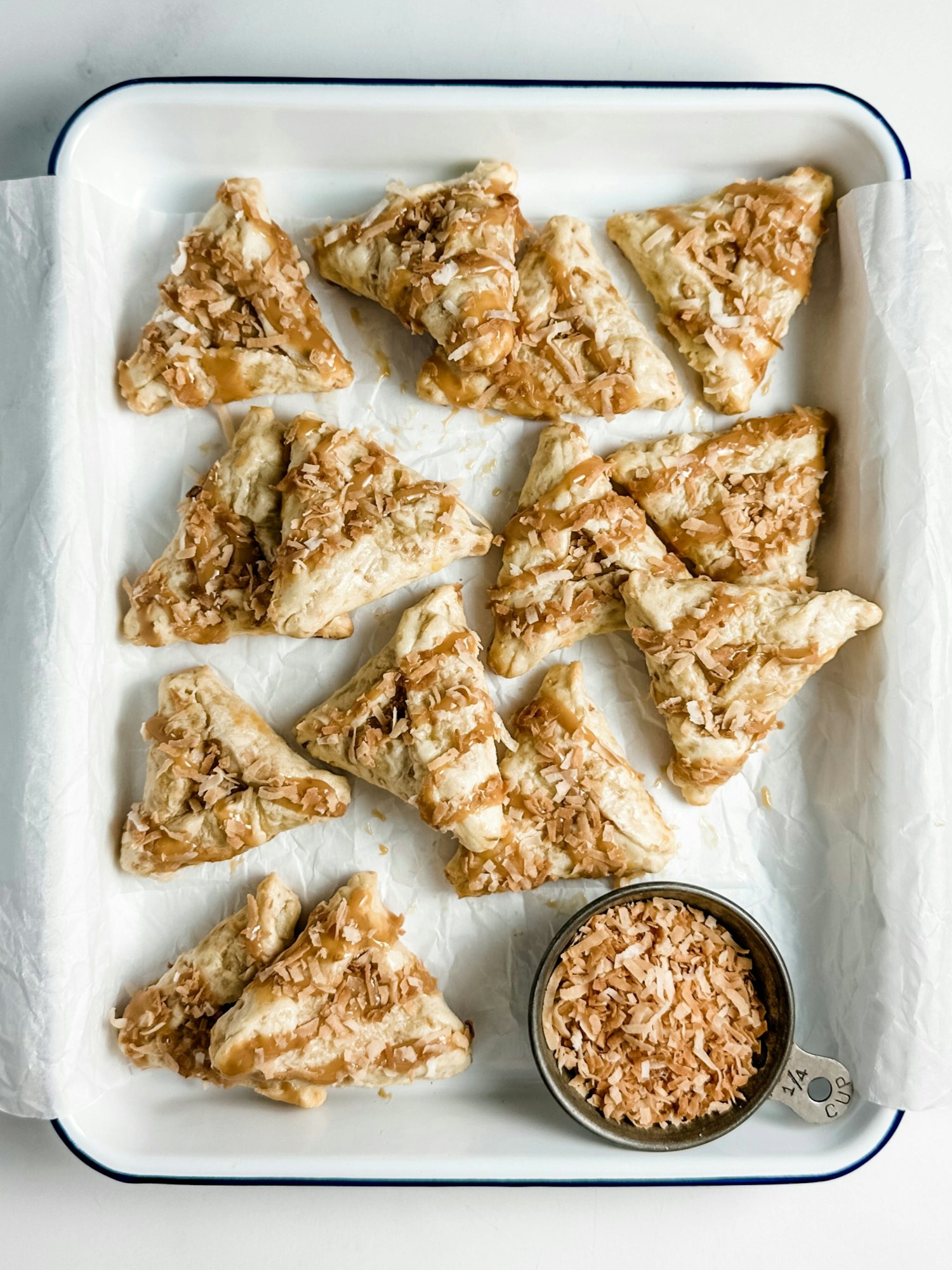
When dulce de leche meets dark chocolate — in chocolate-dipped alfajores, brownies, or warm chocolate lava cakes — reach for an Argentine fortified sweet red.
Aged in French oak, fortified Malbec develops luscious notes of dark cacao, black fig, cinnamon, and toasted vanilla that wrap perfectly around dark chocolate.
By dessert: the sommelier cheat sheet
Use this quick-reference matrix when selecting a bottle for your table:
| Argentine Dessert | Best Wine Match | Why It Works | Serving Temp |
|---|---|---|---|
| Alfajor de Maicena | Late-Harvest Torrontés | Floral citrus cuts coconut flake and crumbly butter biscuit. | 8–10°C |
| Flan Mixto con DDL | Demi-Sec Sparkling | Crisp effervescence scrubs creamy egg custard and caramel. | 6–8°C |
| Torta Rogel | Late-Harvest Torrontés | Honeyed stone fruit echoes toasted Italian meringue peaks. | 8–10°C |
| Chocolate Alfajor / Brownie | Fortified Sweet Malbec | Velvety berry tannins harmonize with bittersweet cocoa. | 12–14°C |
⚠️ What to avoid (and why)
- Dry red wine — including fine Malbec: Never waste serious Malbec on dessert. The sugar in the caramel strips the fruit from the wine, leaving only bitter, astringent tannins. Save the Malbec for the asado.
- Bone-dry Torrontés: Regular dry Torrontés is stunning with empanadas, but dulce de leche will completely flatten its delicate aromatics.
- Heavy 20% ABV Port: Traditional heavy Portuguese port has too much alcoholic heat for the delicate fresh milkiness of Argentine dulce de leche.
Three rules for serving dessert wine
Serve Cold (8–10°C)
Cold tames heavy sweetness and lifts floral aromatics. Warm sweet wine tastes syrupy and heavy.
Pour Small (60–80ml)
Dessert wine is concentrated and rich. A small pour gives the ideal tasting experience without palate fatigue.
Use Tulip Glassware
A smaller, narrower glass focuses the jasmine and orange aromas straight to your nose.
🍇 Tasting in Mendoza: Experience world-class winery pairings firsthand. Explore our curated guide to the Best Wineries to Visit in Mendoza.
Up next, Chapter 2 of 3 Why Late-Harvest Torrontés from Salta altitude vineyards is the world's most poetic dessert wine pairing. Read Chapter 2: Late-harvest Torrontés →Quick answers
What wine goes best with dulce de leche?
Late-Harvest Torrontés (Cosecha Tardía) is the undisputed match. Its honeyed apricot sweetness matches the caramel while high-altitude acidity keeps the finish bright and refreshed.
Can you drink dry red Malbec with dulce de leche?
No. Dry red wine becomes harsh, bitter, and astringent next to sweet desserts. If you want a red wine, choose an Argentine fortified sweet Malbec (Malamado or port-style red).
At what temperature should sweet dessert wine be served?
Serve chilled at 8–10°C (46–50°F). Cold temperatures highlight the floral aromas and keep the wine tasting fresh rather than syrupy.