Chapter 1 of 4

The numbers

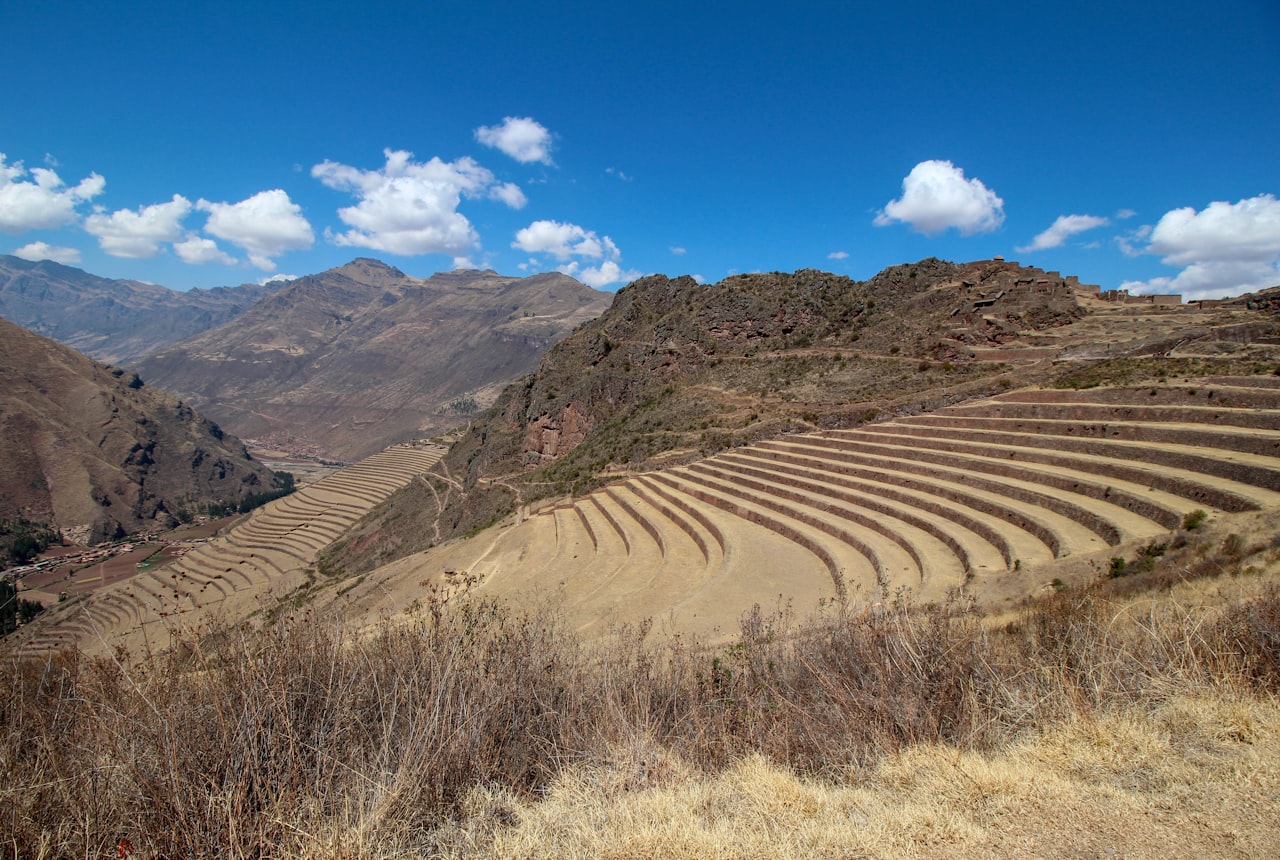
In most of the wine world, “high-altitude” means a few hundred meters. In Argentina, it means a few thousand. Over three-quarters of the country's vineyards are planted in the foothills of the Andes, most of them above 700 meters above sea level. Mendoza's mainstream vineyards sit between roughly 600 and 1,100 meters. The acclaimed Uco Valley climbs from 900 up to 1,500 meters and beyond. And in the northwestern province of Salta, the Calchaquí Valleys host vineyards at 1,700, 2,300, even 3,100 meters — heights that simply do not have an equivalent in Europe.

The headline number belongs to Bodega Colomé's Altura Máxima vineyard in Salta, at approximately 3,111 meters (10,200 feet) — one of the highest commercial wine vineyards on the planet. To put that in perspective: it is taller than most ski resorts. The vines grow at the altitude where humans struggle to breathe. This is not a stunt. Altitude is doing real, measurable work inside the glass.
The numbers
Up next, Chapter 2 of 4 The modern wine world is moving toward freshness. Read Chapter 2: UV & the skins →

Understanding Argentine Wine (FAQ)

What makes Argentine Malbec so unique?

Argentina's high-altitude vineyards, particularly in Mendoza's Uco Valley, receive intense sunlight and experience dramatic temperature shifts between day and night. This slows grape ripening, resulting in rich flavors, balanced acidity, and smooth tannins.

How should I plan a wine tour in Mendoza?

We recommend booking tastings at least 2-3 months in advance, especially for prestigious wineries. Focus on one sub-region per day (like Luján de Cuyo or Uco Valley) to minimize travel time and enjoy a relaxed pace.

What are the best food pairings for Torrontés?

Torrontés, Argentina's signature white wine, is highly aromatic with floral notes. It pairs beautifully with spicy Asian cuisine, fresh seafood, and traditional Argentine empanadas (especially those containing corn or cheese).