Chapter 1 of 4

The numbers

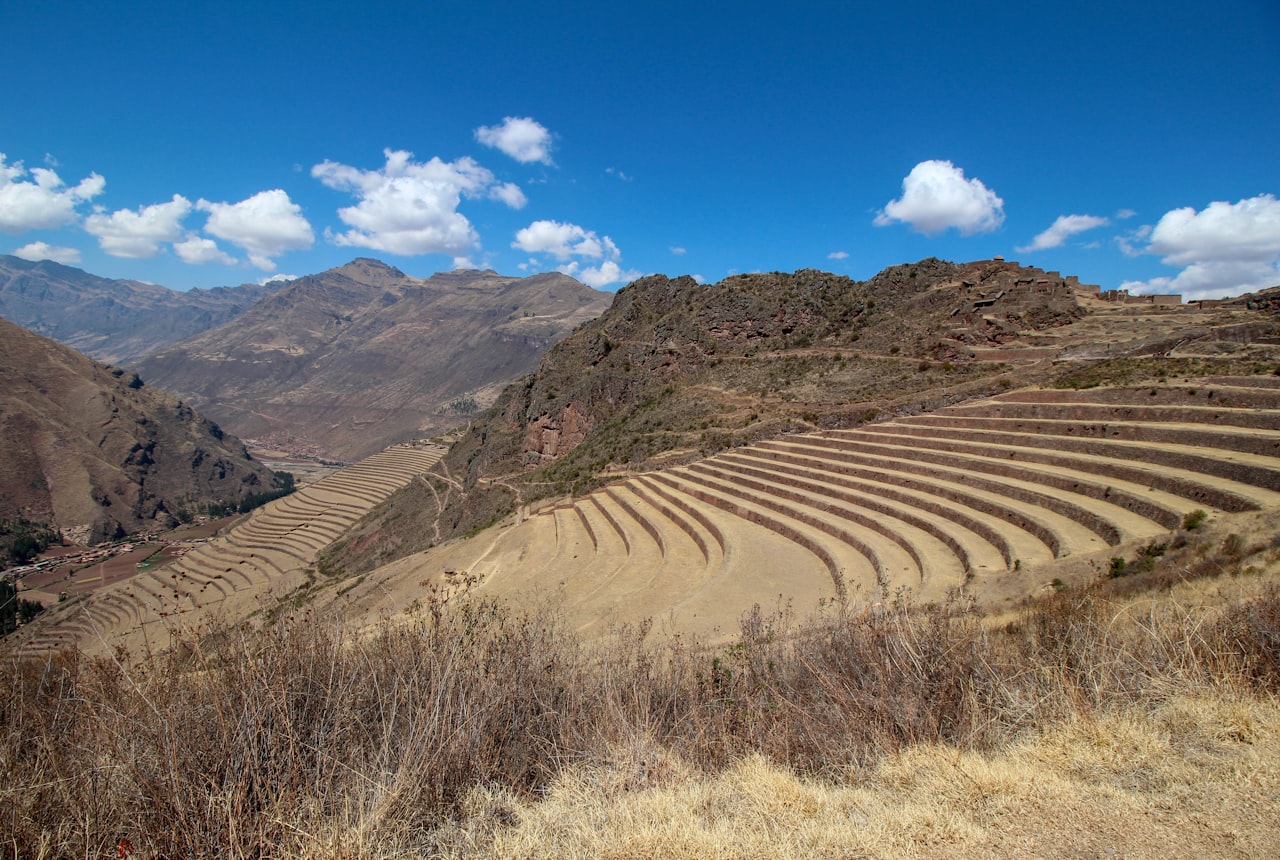
In most of the wine world, “high-altitude” means a few hundred meters. In Argentina, it means a few thousand. Over three-quarters of the country's vineyards are planted in the foothills of the Andes, most of them above 700 meters above sea level. Mendoza's mainstream vineyards sit between roughly 600 and 1,100 meters. The acclaimed Uco Valley climbs from 900 up to 1,500 meters and beyond. And in the northwestern province of Salta, the Calchaquí Valleys host vineyards at 1,700, 2,300, even 3,100 meters — heights that simply do not have an equivalent in Europe.

The headline number belongs to Bodega Colomé's Altura Máxima vineyard in Salta, at approximately 3,111 meters (10,200 feet) — one of the highest commercial wine vineyards on the planet. To put that in perspective: it is taller than most ski resorts. The vines grow at the altitude where humans struggle to breathe. This is not a stunt. Altitude is doing real, measurable work inside the glass.
The numbers
Up next, Chapter 2 of 4 The modern wine world is moving toward freshness. Read Chapter 2: UV & the skins →

Preguntas Frecuentes sobre el Vino Argentino (FAQ)

¿Qué hace que el Malbec argentino sea tan único?

Los viñedos de gran altitud en Argentina, especialmente en el Valle de Uco en Mendoza, reciben una luz solar intensa y experimentan una gran amplitud térmica. Esto ralentiza la maduración de las uvas, logrando sabores intensos, acidez equilibrada y taninos sedosos.

¿Cómo planificar un tour del vino en Mendoza?

Recomendamos reservar las degustaciones con al menos 2 o 3 meses de anticipación. Concéntrese en una sola subregión por día (como Luján de Cuyo o el Valle de Uco) para reducir los tiempos de traslado y disfrutar al máximo.

¿Cuáles son los mejores maridajes para el Torrontés?

El Torrontés, la uva blanca emblemática de Argentina, es muy aromático y floral. Combina a la perfección con comida asiática picante, mariscos frescos y las tradicionales empanadas salteñas.