Chapter 3 of 6

Tasting notes

It's worth tasting both, because they barely seem related. French Malbec — meaning Cahors, where the grape must by law make up at least 70% of the blend — is the older, sterner sibling: darker in temperament, firmer in tannin, higher in acid, with flavours that lean toward black plum, leather, tobacco and earth. These are structured wines that often want a few years to soften.

Argentine Malbec is the warmer, more open-hearted one: fruit-forward, velvety, ready to drink younger. Neither is better. But if you fell for Malbec in Mendoza and then opened a bottle from Cahors expecting the same thing, you'd be in for a surprise — a good one, if you know it's coming.

If Malbec is the heart of Argentine wine, Cabernet Franc is the rising star — see why we call it the “new prince” of the Uco Valley in our Cabernet Franc guide.
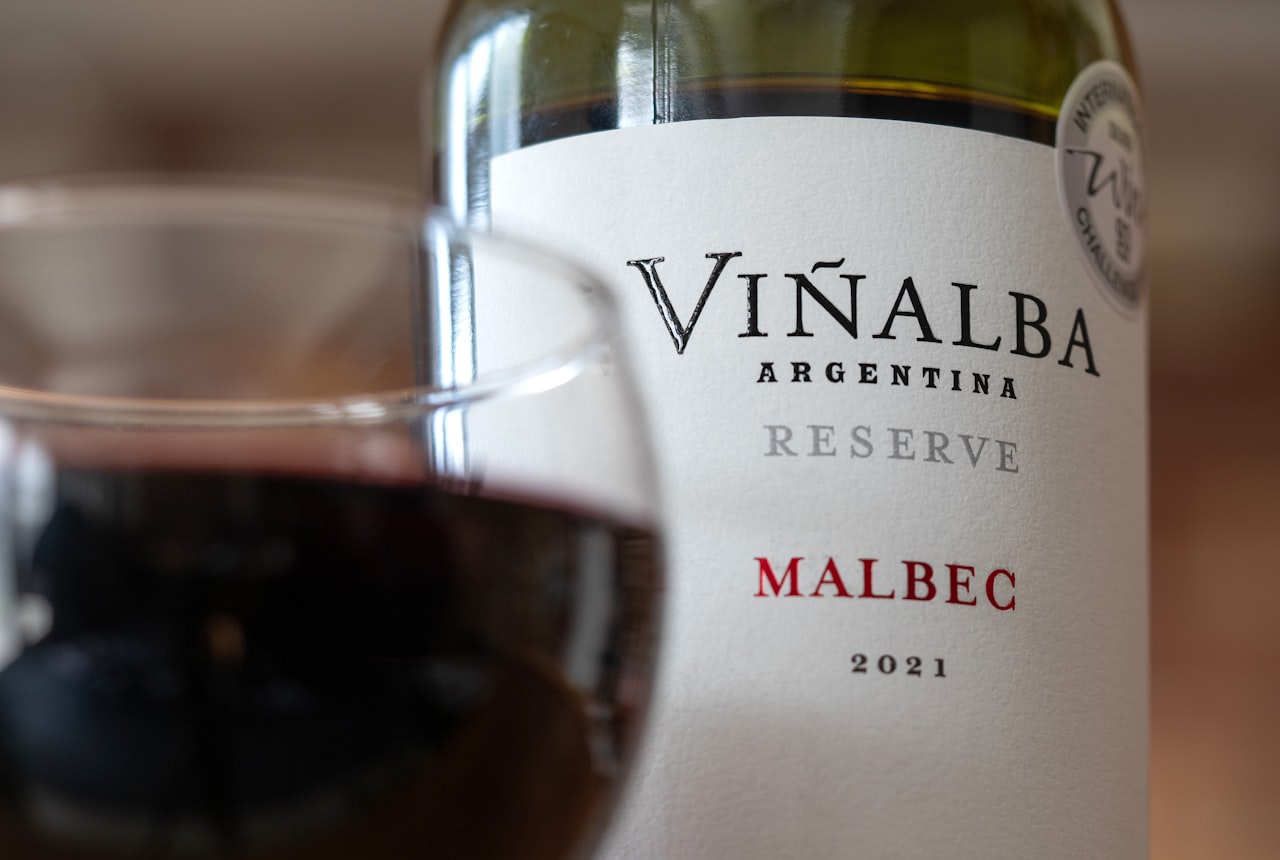
Tasting notes
Up next, Chapter 4 of 6 Read the small print. Read Chapter 4: Food pairings →

Understanding Argentine Wine (FAQ)

What makes Argentine Malbec so unique?

Argentina's high-altitude vineyards, particularly in Mendoza's Uco Valley, receive intense sunlight and experience dramatic temperature shifts between day and night. This slows grape ripening, resulting in rich flavors, balanced acidity, and smooth tannins.

How should I plan a wine tour in Mendoza?

We recommend booking tastings at least 2-3 months in advance, especially for prestigious wineries. Focus on one sub-region per day (like Luján de Cuyo or Uco Valley) to minimize travel time and enjoy a relaxed pace.

What are the best food pairings for Torrontés?

Torrontés, Argentina's signature white wine, is highly aromatic with floral notes. It pairs beautifully with spicy Asian cuisine, fresh seafood, and traditional Argentine empanadas (especially those containing corn or cheese).