Chapter 3 of 6

Tasting notes

It's worth tasting both, because they barely seem related. French Malbec — meaning Cahors, where the grape must by law make up at least 70% of the blend — is the older, sterner sibling: darker in temperament, firmer in tannin, higher in acid, with flavours that lean toward black plum, leather, tobacco and earth. These are structured wines that often want a few years to soften.

Argentine Malbec is the warmer, more open-hearted one: fruit-forward, velvety, ready to drink younger. Neither is better. But if you fell for Malbec in Mendoza and then opened a bottle from Cahors expecting the same thing, you'd be in for a surprise — a good one, if you know it's coming.

If Malbec is the heart of Argentine wine, Cabernet Franc is the rising star — see why we call it the “new prince” of the Uco Valley in our Cabernet Franc guide.
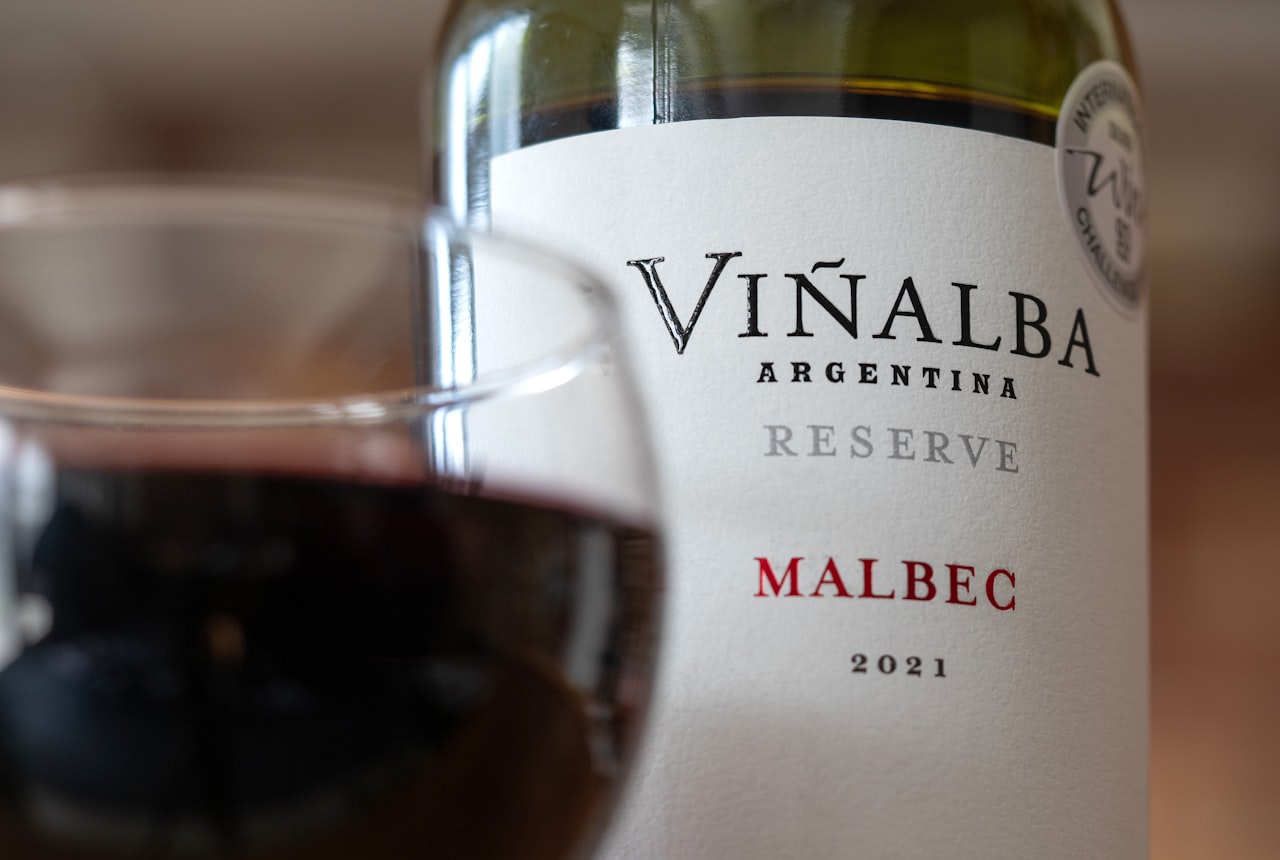
Tasting notes
Up next, Chapter 4 of 6 Read the small print. Read Chapter 4: Food pairings →

Preguntas Frecuentes sobre el Vino Argentino (FAQ)

¿Qué hace que el Malbec argentino sea tan único?

Los viñedos de gran altitud en Argentina, especialmente en el Valle de Uco en Mendoza, reciben una luz solar intensa y experimentan una gran amplitud térmica. Esto ralentiza la maduración de las uvas, logrando sabores intensos, acidez equilibrada y taninos sedosos.

¿Cómo planificar un tour del vino en Mendoza?

Recomendamos reservar las degustaciones con al menos 2 o 3 meses de anticipación. Concéntrese en una sola subregión por día (como Luján de Cuyo o el Valle de Uco) para reducir los tiempos de traslado y disfrutar al máximo.

¿Cuáles son los mejores maridajes para el Torrontés?

El Torrontés, la uva blanca emblemática de Argentina, es muy aromático y floral. Combina a la perfección con comida asiática picante, mariscos frescos y las tradicionales empanadas salteñas.