Chapter 2 of 4

El estilos

Argentine high-altitude Chardonnay leans toward the lean, precise and mineral end of the spectrum rather than the heavy, oaky style. Expect citrus and grapefruit, white flowers and honeysuckle, sometimes a note of almond or wet chalk from those limestone soils. The texture is taut and energetic, carried by bright acidity, with the best examples often compared to white Burgundy for their finesse. Some are made in a richer, partially oak-aged style with baked-pastry and nutmeg notes — but the wines making Argentina's name are the sharp, high-altitude ones.

There is a sparkling angle too: the same naturally high acidity makes Uco Valley Chardonnay (often with Pinot Noir) excellent raw material for traditional-method sparkling wine.
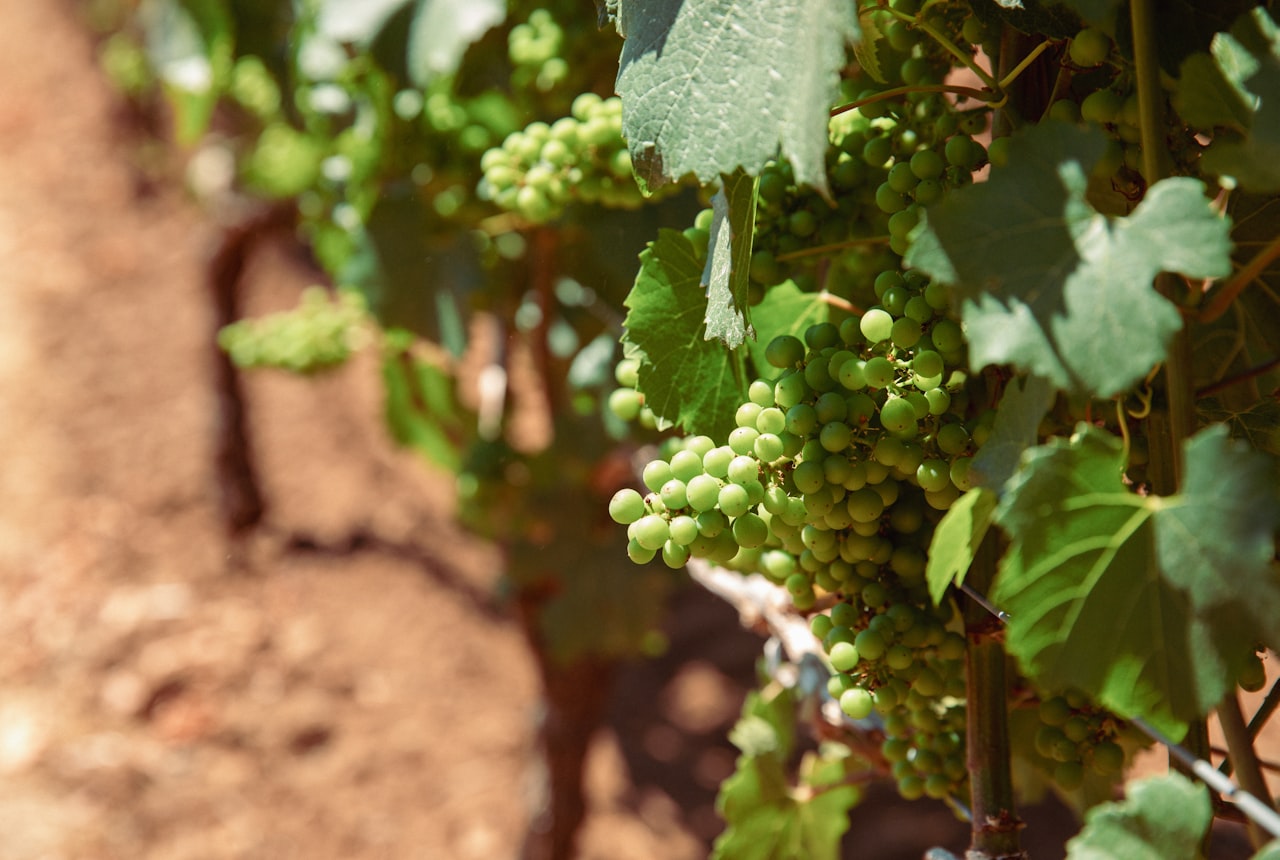
El estilos
Up next, Chapter 3 of 4 Taste it where the air is thin. Read Chapter 3: Food pairings →

Preguntas Frecuentes sobre el Vino Argentino (FAQ)

¿Qué hace que el Malbec argentino sea tan único?

Los viñedos de gran altitud en Argentina, especialmente en el Valle de Uco en Mendoza, reciben una luz solar intensa y experimentan una gran amplitud térmica. Esto ralentiza la maduración de las uvas, logrando sabores intensos, acidez equilibrada y taninos sedosos.

¿Cómo planificar un tour del vino en Mendoza?

Recomendamos reservar las degustaciones con al menos 2 o 3 meses de anticipación. Concéntrese en una sola subregión por día (como Luján de Cuyo o el Valle de Uco) para reducir los tiempos de traslado y disfrutar al máximo.

¿Cuáles son los mejores maridajes para el Torrontés?

El Torrontés, la uva blanca emblemática de Argentina, es muy aromático y floral. Combina a la perfección con comida asiática picante, mariscos frescos y las tradicionales empanadas salteñas.