Chapter 3 of 5

Tasting

This is a red built on tension and perfume rather than weight. Expect aromas of red fruit and violet, a distinct savory streak of roasted red pepper and herbs, and — especially from the stoniest high-altitude sites — a mineral note that drinkers often describe as graphite or wet stone. The best Argentine examples have drawn comparisons to the aromatic, precise Cabernet Francs of the Loire, with their unmistakable graphite-and-violet signature.

Structurally it is medium-bodied with fresh acidity and refined, silky tannins — a wine of elegance and “mountain freshness” rather than power. Some producers ferment and age it in concrete eggs to keep the fruit pure and the texture lively; the results can be peppery, earthy and electric.
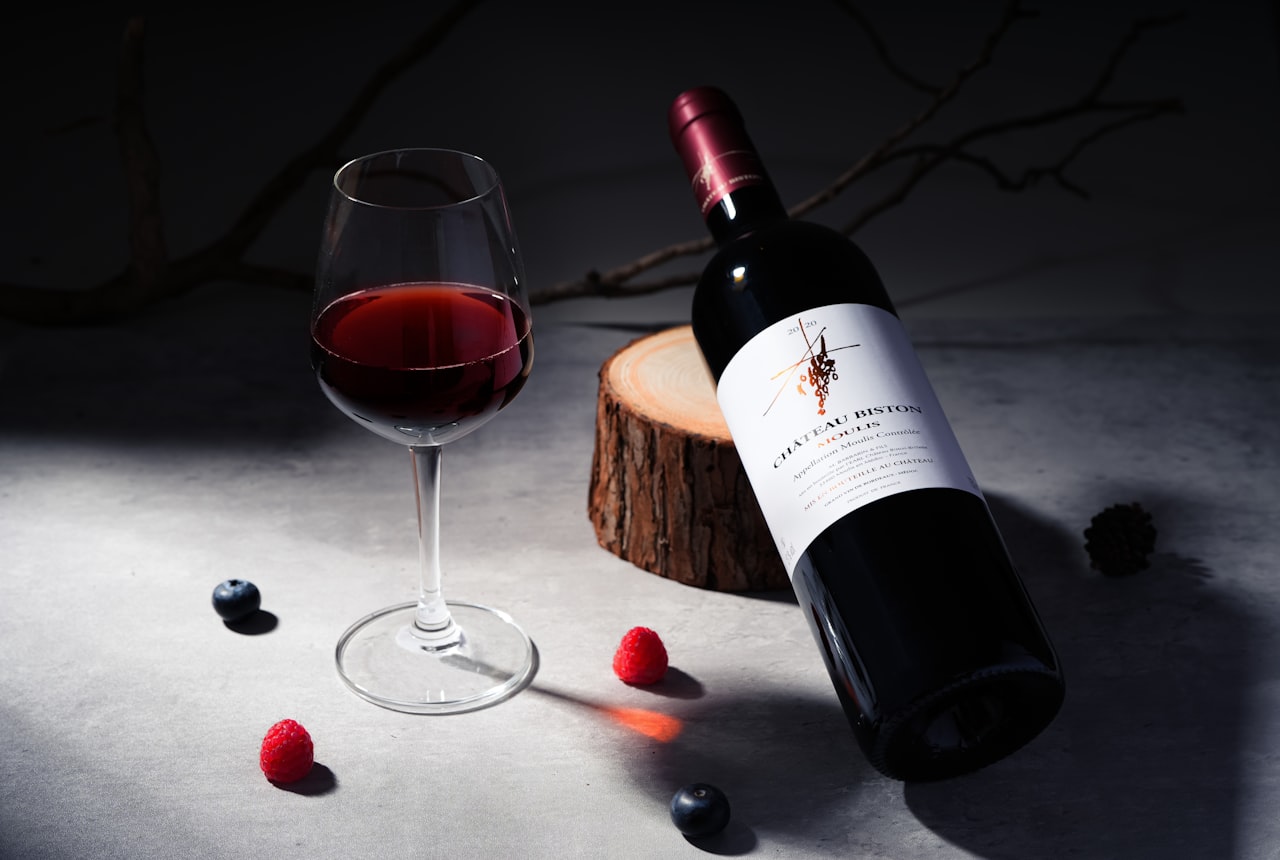
A glass of red Cabernet Franc
Tension and perfume over weight — red fruit, violet, roasted pepper and a graphite edge from the stoniest high sites.
Up next, Chapter 4 of 5 Catch it in the Uco Valley. Read Chapter 4: Pairings →

Understanding Argentine Wine (FAQ)

What makes Argentine Malbec so unique?

Argentina's high-altitude vineyards, particularly in Mendoza's Uco Valley, receive intense sunlight and experience dramatic temperature shifts between day and night. This slows grape ripening, resulting in rich flavors, balanced acidity, and smooth tannins.

How should I plan a wine tour in Mendoza?

We recommend booking tastings at least 2-3 months in advance, especially for prestigious wineries. Focus on one sub-region per day (like Luján de Cuyo or Uco Valley) to minimize travel time and enjoy a relaxed pace.

What are the best food pairings for Torrontés?

Torrontés, Argentina's signature white wine, is highly aromatic with floral notes. It pairs beautifully with spicy Asian cuisine, fresh seafood, and traditional Argentine empanadas (especially those containing corn or cheese).