Chapter 3 of 5

Tasting

This is a red built on tension and perfume rather than weight. Expect aromas of red fruit and violet, a distinct savory streak of roasted red pepper and herbs, and — especially from the stoniest high-altitude sites — a mineral note that drinkers often describe as graphite or wet stone. The best Argentine examples have drawn comparisons to the aromatic, precise Cabernet Francs of the Loire, with their unmistakable graphite-and-violet signature.

Structurally it is medium-bodied with fresh acidity and refined, silky tannins — a wine of elegance and “mountain freshness” rather than power. Some producers ferment and age it in concrete eggs to keep the fruit pure and the texture lively; the results can be peppery, earthy and electric.
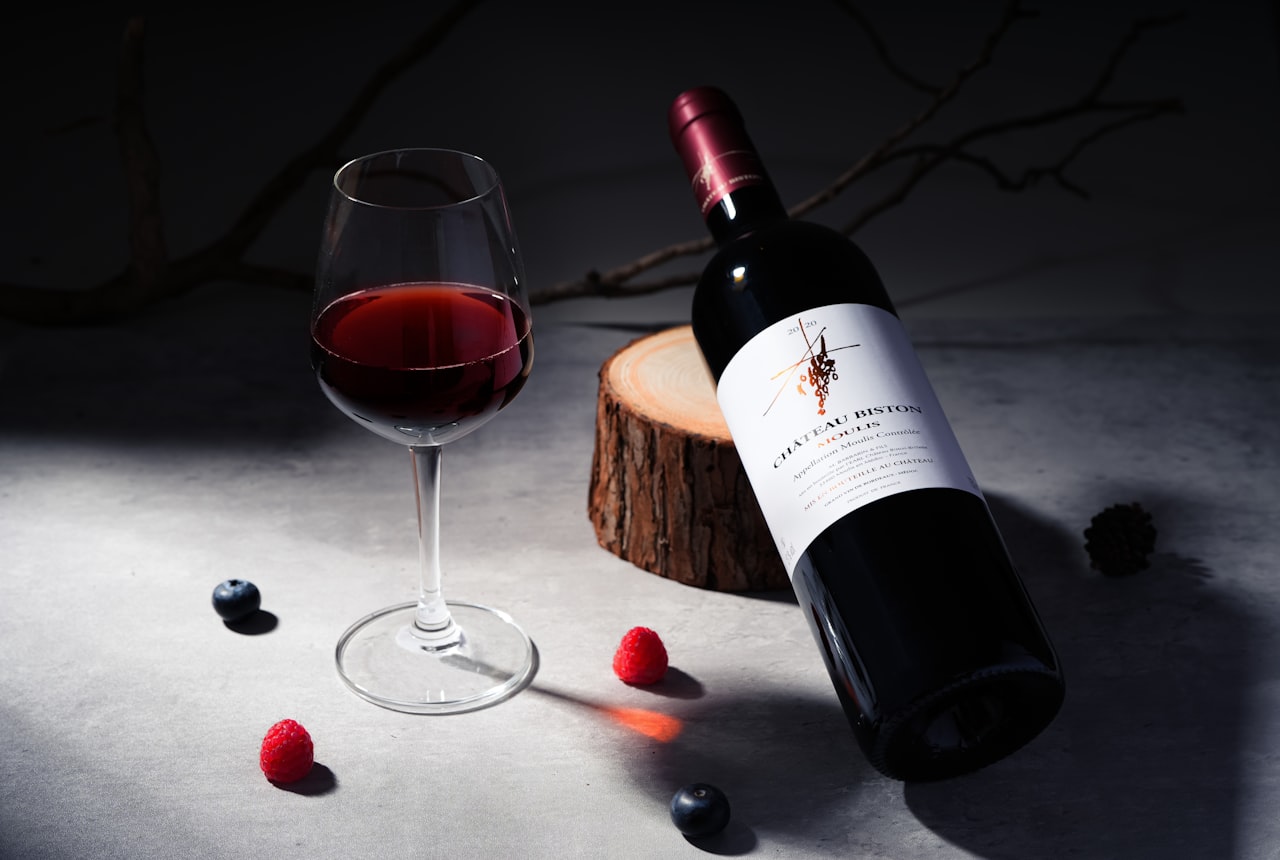
A glass of red Cabernet Franc
Tension and perfume over weight — red fruit, violet, roasted pepper and a graphite edge from the stoniest high sites.
Up next, Chapter 4 of 5 Catch it in the Uco Valley. Read Chapter 4: Pairings →

Preguntas Frecuentes sobre el Vino Argentino (FAQ)

¿Qué hace que el Malbec argentino sea tan único?

Los viñedos de gran altitud en Argentina, especialmente en el Valle de Uco en Mendoza, reciben una luz solar intensa y experimentan una gran amplitud térmica. Esto ralentiza la maduración de las uvas, logrando sabores intensos, acidez equilibrada y taninos sedosos.

¿Cómo planificar un tour del vino en Mendoza?

Recomendamos reservar las degustaciones con al menos 2 o 3 meses de anticipación. Concéntrese en una sola subregión por día (como Luján de Cuyo o el Valle de Uco) para reducir los tiempos de traslado y disfrutar al máximo.

¿Cuáles son los mejores maridajes para el Torrontés?

El Torrontés, la uva blanca emblemática de Argentina, es muy aromático y floral. Combina a la perfección con comida asiática picante, mariscos frescos y las tradicionales empanadas salteñas.