Chapter 2 of 5

The Argentine style

Cabernet Franc's freshness and savory side make it wonderfully food-friendly: it loves grilled red peppers and vegetables, herb-crusted lamb, mushroom dishes, and lighter cuts of grilled meat where a heavier red would overwhelm. Served slightly cool, it is one of the most refreshing serious reds you can pour.

If you already love Argentine Malbec, Cabernet Franc is the natural next step — lighter on its feet, more aromatic, more obviously shaped by altitude. And if you have been exploring the country's other under-the-radar reds like Bonarda, think of Franc as the aristocratic end of that “beyond Malbec” journey. You are catching it at the perfect moment: established enough to be excellent, young enough that the world hasn't fully caught on. The prince hasn't been crowned yet — which is exactly why now is the time to drink it.
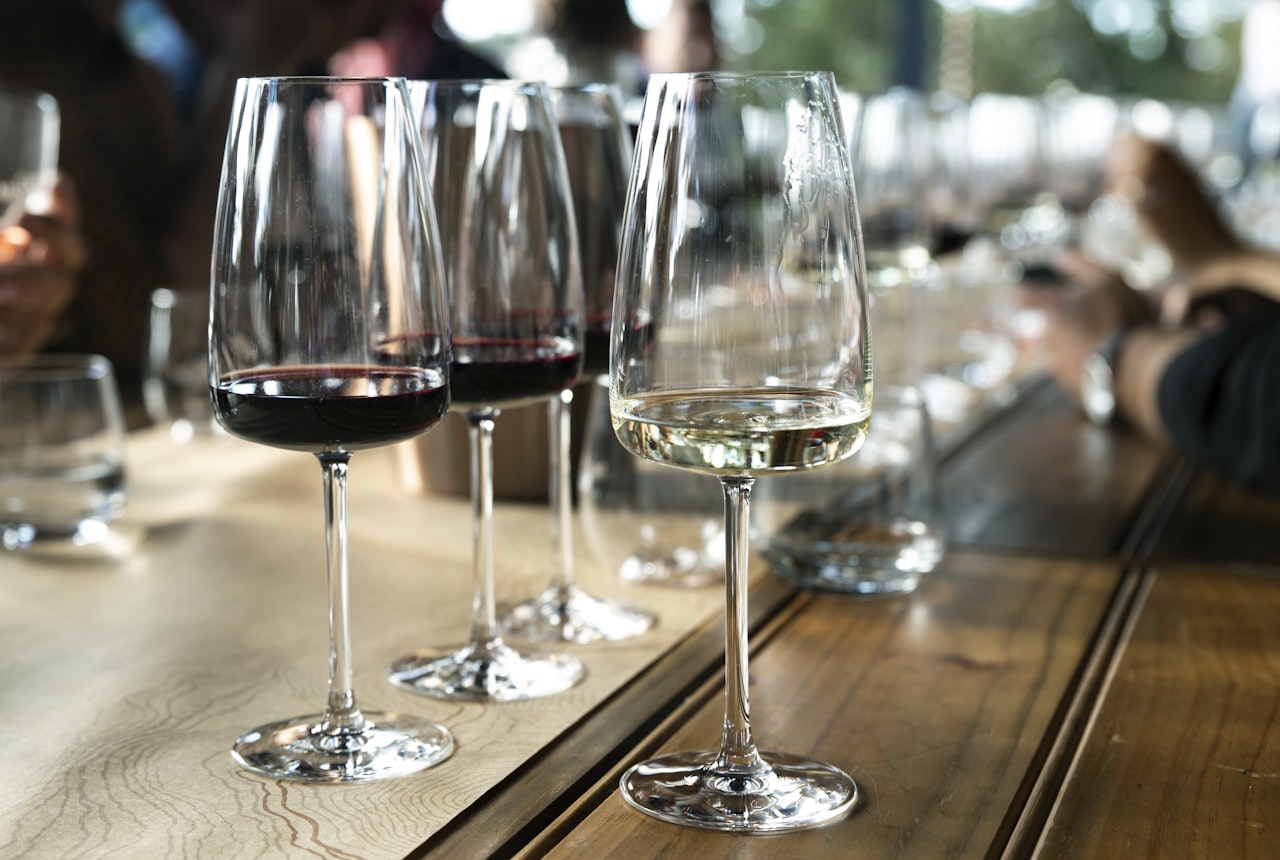
The Argentine style
Up next, Chapter 3 of 5 This is a red built on tension and perfume rather than weight. Read Chapter 3: Tasting →

Understanding Argentine Wine (FAQ)

What makes Argentine Malbec so unique?

Argentina's high-altitude vineyards, particularly in Mendoza's Uco Valley, receive intense sunlight and experience dramatic temperature shifts between day and night. This slows grape ripening, resulting in rich flavors, balanced acidity, and smooth tannins.

How should I plan a wine tour in Mendoza?

We recommend booking tastings at least 2-3 months in advance, especially for prestigious wineries. Focus on one sub-region per day (like Luján de Cuyo or Uco Valley) to minimize travel time and enjoy a relaxed pace.

What are the best food pairings for Torrontés?

Torrontés, Argentina's signature white wine, is highly aromatic with floral notes. It pairs beautifully with spicy Asian cuisine, fresh seafood, and traditional Argentine empanadas (especially those containing corn or cheese).