Chapter 2 of 5

The Argentine style

Cabernet Franc's freshness and savory side make it wonderfully food-friendly: it loves grilled red peppers and vegetables, herb-crusted lamb, mushroom dishes, and lighter cuts of grilled meat where a heavier red would overwhelm. Served slightly cool, it is one of the most refreshing serious reds you can pour.

If you already love Argentine Malbec, Cabernet Franc is the natural next step — lighter on its feet, more aromatic, more obviously shaped by altitude. And if you have been exploring the country's other under-the-radar reds like Bonarda, think of Franc as the aristocratic end of that “beyond Malbec” journey. You are catching it at the perfect moment: established enough to be excellent, young enough that the world hasn't fully caught on. The prince hasn't been crowned yet — which is exactly why now is the time to drink it.
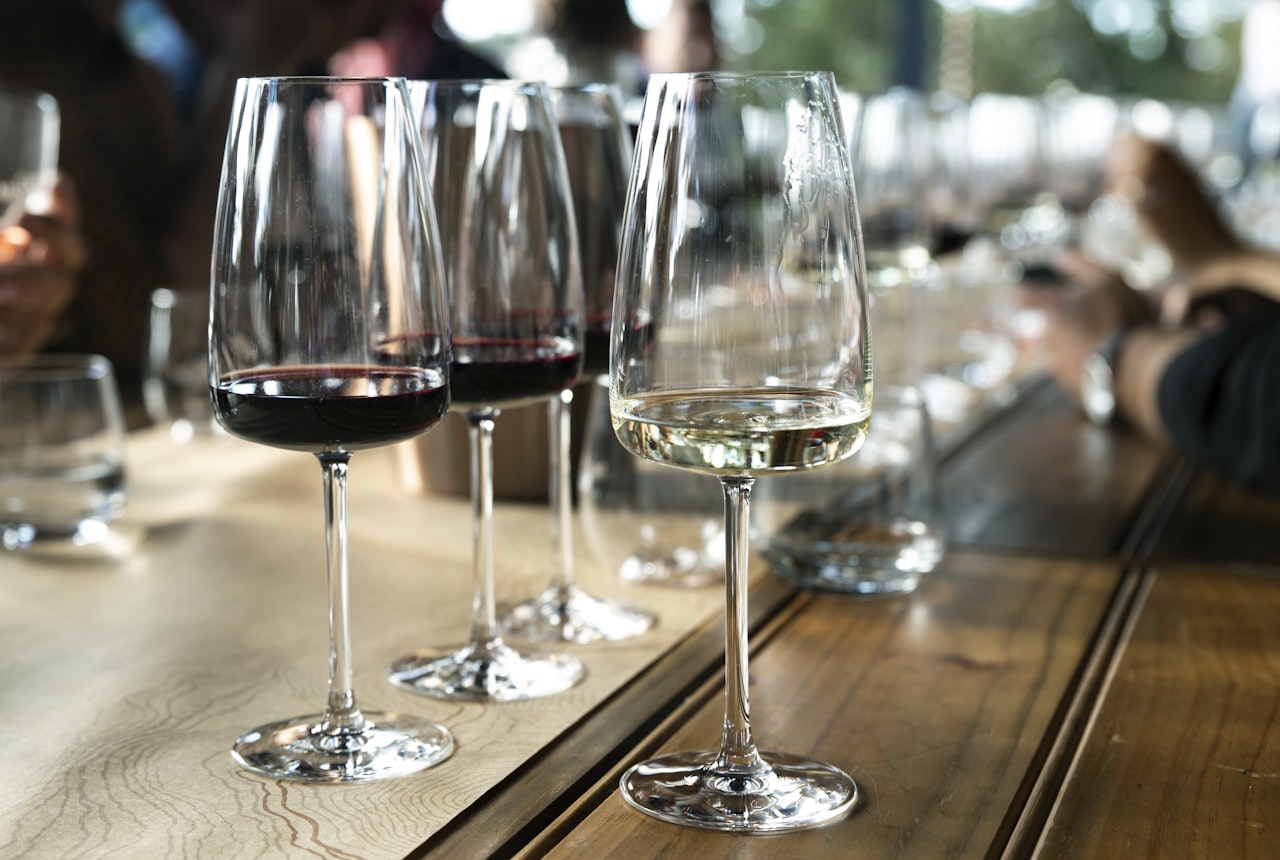
The Argentine style
Up next, Chapter 3 of 5 This is a red built on tension and perfume rather than weight. Read Chapter 3: Tasting →

Preguntas Frecuentes sobre el Vino Argentino (FAQ)

¿Qué hace que el Malbec argentino sea tan único?

Los viñedos de gran altitud en Argentina, especialmente en el Valle de Uco en Mendoza, reciben una luz solar intensa y experimentan una gran amplitud térmica. Esto ralentiza la maduración de las uvas, logrando sabores intensos, acidez equilibrada y taninos sedosos.

¿Cómo planificar un tour del vino en Mendoza?

Recomendamos reservar las degustaciones con al menos 2 o 3 meses de anticipación. Concéntrese en una sola subregión por día (como Luján de Cuyo o el Valle de Uco) para reducir los tiempos de traslado y disfrutar al máximo.

¿Cuáles son los mejores maridajes para el Torrontés?

El Torrontés, la uva blanca emblemática de Argentina, es muy aromático y floral. Combina a la perfección con comida asiática picante, mariscos frescos y las tradicionales empanadas salteñas.