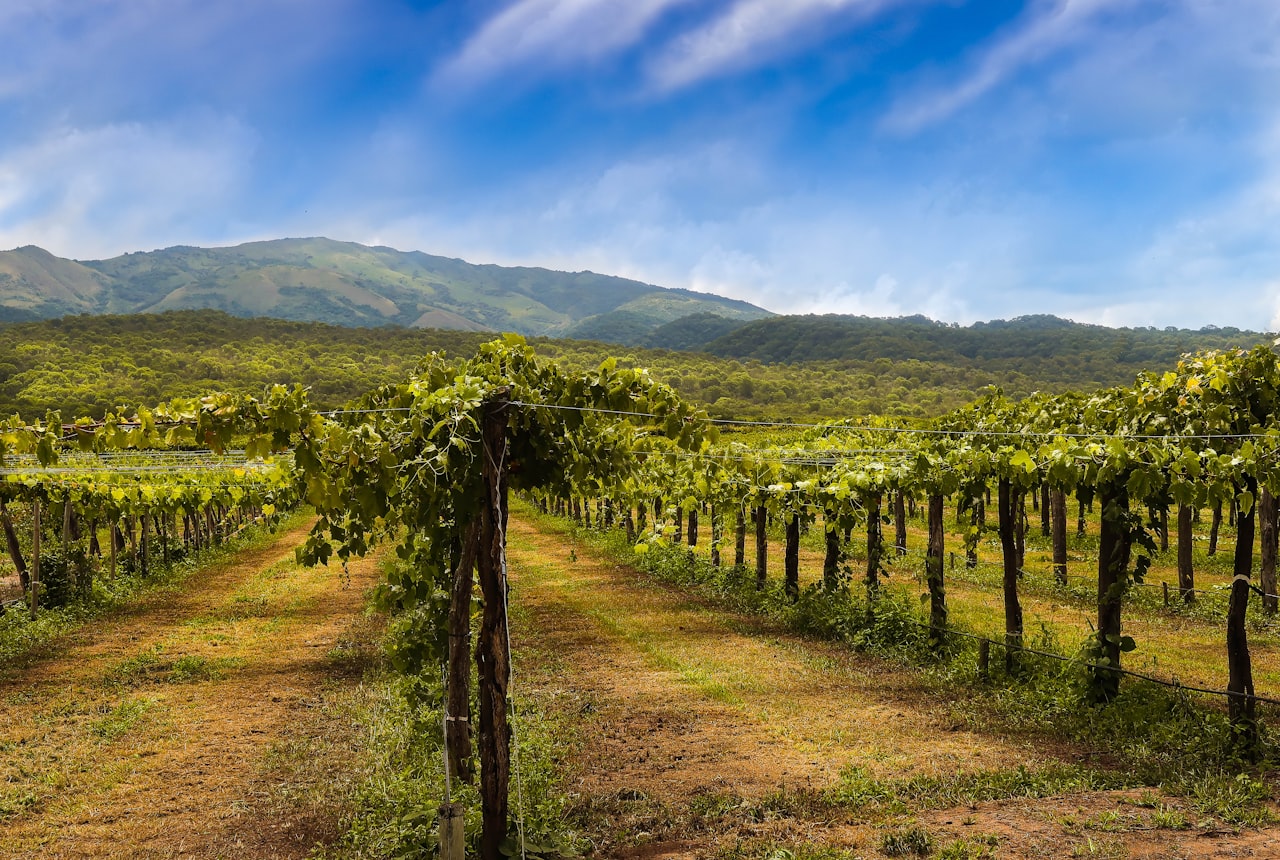
Two worlds of Malbec: Mendoza high-altitude vineyards and Cahors
Wines & Grapes — Chapter 1 of 4

Two Worlds: Argentina vs France

45,000 hectares vs 6,800 hectares. How a nearly forgotten French grape found its true home and monumental scale in the Andean foothills.

By Don Ernesto · Chapter 1 of 4 · 2 min read

Chapter 1 of 4

A useful number, first. Argentina has by far the largest concentration of Malbec on earth — over 45,000 hectares, roughly 70% of the world's plantings. France itself has only around 6,800 hectares, the vast majority in Cahors and a smaller share in the Loire Valley (mostly for off-dry rosé). The grape that was almost forgotten in France found its true scale in South America.

While French Cahors is rooted in centuries of dark, structured, savory winemaking history, Mendoza unlocked Malbec's opulent, floral, and velvety fruit profile under the intense high-altitude Andean sun.

Up next, Chapter 2 of 4 Why they taste so different Same grape, two terroirs, two cultures three very different ingredients. Read Chapter 2: Style comparison →

Understanding Argentine Wine (FAQ)

What makes Argentine Malbec so unique?

Argentina's high-altitude vineyards, particularly in Mendoza's Uco Valley, receive intense sunlight and experience dramatic temperature shifts between day and night. This slows grape ripening, resulting in rich flavors, balanced acidity, and smooth tannins.

How should I plan a wine tour in Mendoza?

We recommend booking tastings at least 2-3 months in advance, especially for prestigious wineries. Focus on one sub-region per day (like Luján de Cuyo or Uco Valley) to minimize travel time and enjoy a relaxed pace.

What are the best food pairings for Torrontés?

Torrontés, Argentina's signature white wine, is highly aromatic with floral notes. It pairs beautifully with spicy Asian cuisine, fresh seafood, and traditional Argentine empanadas (especially those containing corn or cheese).